
introduction
When people plan furniture, cabinets, wall panels, doors, or interior work, one common question comes up: particle board vs engineered wood — which one is better?
This question is important because the wrong material can increase repair costs, reduce furniture life, and create safety issues in homes, offices, shops, and workspaces. Many beginners think particle board and engineered wood are the same, but that is not completely true.
Particle board is actually one type of engineered wood. Engineered wood is a broader category that includes plywood, MDF, HDF, particle board, blockboard, and other manufactured wood products. So, when we compare particle board vs engineered wood, we are usually comparing particle board with other engineered wood options like plywood, MDF, or HDF.
In this guide, you will understand the difference in simple language, along with uses, pros, cons, durability, cost, safety points, and where each material should be used.
What Is Particle Board?

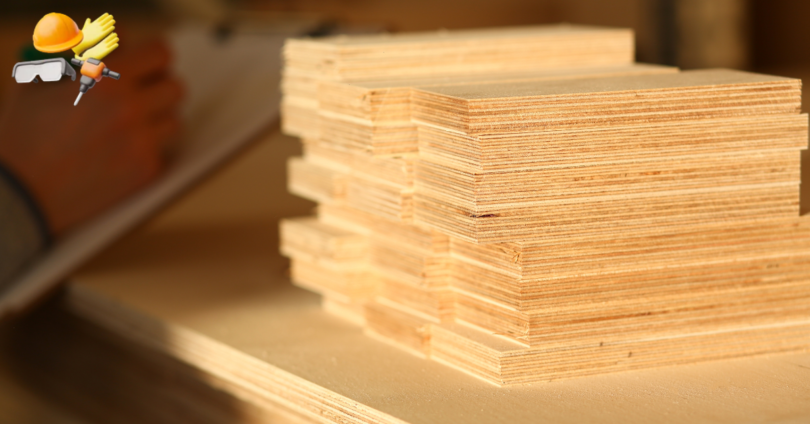
Particle board is a manufactured wood product made from wood chips, sawdust, small wood particles, and resin. These materials are pressed together under heat and pressure to form flat boards.
It is widely used in budget furniture, wardrobes, shelves, TV units, office tables, and modular furniture. Particle board is popular because it is affordable and easy to work with.
However, particle board is not the strongest wood-based material. It does not perform well in wet areas and may swell if exposed to moisture for a long time.
What Is Engineered Wood?
Engineered wood is a general term used for wood products made by bonding wood fibers, veneers, chips, strands, or particles with adhesives and resins. These boards are manufactured to provide specific strength, finish, size, and usability.
Common types of engineered wood include:
Plywood
MDF
HDF
Particle board
Blockboard
OSB
Laminated veneer lumber
This means particle board is a type of engineered wood, but all engineered wood is not particle board.
In construction, furniture making, interior design, and workplace setups, engineered wood is used because it is more affordable and stable than natural solid wood in many cases.
Particle Board vs Engineered Wood: Main Difference
The main difference is that particle board is one specific material, while engineered wood is a full category of manufactured wood products.
Particle board is made from small wood chips and particles. Other engineered wood products may be made from wood fibers, thin veneers, or stronger wood layers.
For example, plywood is also engineered wood, but it is made by bonding thin layers of wood veneer. Because of its layered structure, plywood is usually stronger and more durable than particle board.
MDF is another engineered wood type made from fine wood fibers. It gives a smooth surface and is commonly used for painted furniture, panels, and decorative interiors.
So, in simple words, particle board is a low-cost engineered wood option, while engineered wood can include both budget and premium materials.
Why This Comparison Matters
Choosing the right board is not only about price. It affects strength, load capacity, moisture resistance, finish quality, furniture life, and safety.
For example, a particle board shelf may look good at first, but if heavy items are placed on it, it may bend over time. Similarly, if particle board is used near water, it may swell and lose shape.
On the other hand, good-quality engineered wood like plywood or HDF can perform better in demanding spaces. This is why understanding particle board vs engineered wood is helpful before buying furniture or planning construction interiors.
Strength and Durability
Particle board is suitable for light-use furniture. It can work well for simple wardrobes, study tables, wall-mounted panels, and decorative units when used carefully.
However, it is not ideal for heavy-duty work. It may break, sag, or chip if too much load is applied.
Engineered wood, depending on the type, can be much stronger. Plywood and blockboard are commonly used where better strength is needed. HDF is denser than MDF and particle board, making it suitable for flooring and strong panels.
If durability is your top priority, plywood or high-quality engineered wood is generally better than particle board.
Moisture Resistance
Moisture resistance is one of the biggest differences between particle board and other engineered wood materials.
Particle board absorbs moisture quickly if its edges are not sealed properly. Once it absorbs water, it can swell, become weak, and lose its original shape.
This makes particle board unsuitable for bathrooms, kitchens near sinks, outdoor areas, and damp construction spaces.
Some engineered wood products are available in moisture-resistant grades. For example, marine plywood and boiling waterproof plywood are made for better water resistance. Moisture-resistant MDF is also available for selected interior uses.
For wet or humid areas, standard particle board should be avoided.
Cost Comparison
Particle board is usually cheaper than most other engineered wood products. This is the main reason it is used in budget furniture and mass-produced interior items.
If someone wants affordable furniture for light use, particle board can be a practical choice.
Engineered wood products like plywood, HDF, and premium MDF may cost more, but they often provide better strength, longer life, and improved performance.
So, particle board saves money in the beginning, while better engineered wood may save money in the long term by reducing repairs and replacements.
Surface Finish and Appearance
Particle board usually has a plain and rough core. It is commonly covered with laminate, veneer, melamine, or PVC finish to improve its appearance.
Once finished properly, particle board furniture can look modern and attractive.
MDF provides a smoother surface than particle board, which makes it better for paint finishes, CNC designs, decorative panels, and modern interior work.
Plywood may not be as smooth as MDF, but it is stronger and can be finished with laminate, veneer, polish, or paint.
For premium appearance, the final finish matters more than the core material, but the core still affects durability.
Load-Bearing Capacity
Particle board is not a good choice for heavy load-bearing use. It may bend if used for long shelves, heavy cabinets, or furniture that holds large weight.
For example, if you are making a bookshelf, kitchen cabinet, or work table that will carry tools or heavy items, plywood is usually a better option.
Engineered wood like plywood and blockboard has better screw-holding capacity and load-bearing strength. This makes it more suitable for construction-related interiors, office furniture, storage units, and commercial spaces.
Screw Holding and Fastening
Particle board does not hold screws as strongly as plywood or some other engineered wood materials. If screws are removed and fixed again, the grip may become weak.
This is important in furniture that needs frequent assembly, movement, or repair.
Plywood performs better in screw holding because of its layered structure. MDF has better density than particle board but still needs careful handling while fixing screws.
For long-lasting furniture, screw holding is an important factor that should not be ignored.
Safety and Workplace Use
For bestsafetyequipments.org readers, safety is an important part of material selection. In construction, interior work, furniture workshops, and industrial setups, board quality affects both worker safety and user safety.
Low-quality boards may break during cutting, lifting, or installation. Weak shelves can fall if overloaded. Poor edge finishing may cause sharp corners or chipping.
Workers should also use basic PPE while cutting, sanding, drilling, or installing particle board and engineered wood. Safety glasses, dust masks, gloves, and proper ventilation are important because wood dust and adhesive particles can irritate eyes, skin, and breathing.
Good material selection plus proper safety equipment can reduce workplace risks.
Environmental Considerations
Particle board is often made from recycled wood chips and sawdust, which helps reduce wood waste. This can make it an eco-friendly option when manufactured responsibly.
However, some boards may contain adhesives that release formaldehyde or other emissions. This depends on board quality and manufacturing standards.
Better engineered wood products may also use adhesives, so buyers should look for low-emission boards where possible. For homes, offices, schools, and healthcare interiors, choosing certified low-emission materials is a safer option.
Best Uses of Particle Board
Particle board is suitable for budget-friendly and light-duty applications.
It can be used for:
Low-cost wardrobes
TV units
Decorative wall panels
Office desks
Light shelves
Temporary furniture
Modular furniture with laminate finish
Particle board is best when the furniture will stay in a dry area and will not carry heavy loads.
Best Uses of Engineered Wood
Engineered wood has many uses because it includes different materials with different strengths.
Plywood is commonly used for cabinets, beds, doors, wall panels, partitions, and construction interiors. MDF is used for decorative panels, painted furniture, CNC designs, and smooth surfaces. HDF is used in flooring and high-density panels.
Engineered wood is suitable for:
Kitchen cabinets
Beds and wardrobes
Office furniture
Wall cladding
Doors and partitions
Commercial interiors
Worksite storage units
Flooring materials
Interior construction projects
The best choice depends on budget, location, strength requirement, and moisture exposure.
Particle Board vs Engineered Wood for Furniture

For furniture, particle board is good when the budget is low and the furniture will be used carefully. It is common in ready-made furniture because it keeps the price affordable.
But if you want long-lasting furniture, plywood or good-quality engineered wood is usually better.
For beds, heavy wardrobes, kitchen cabinets, and work tables, plywood is a stronger choice. For decorative painted furniture, MDF may be better. For low-cost shelves and basic units, particle board can work.
Particle Board vs Engineered Wood for Kitchen Cabinets
Kitchen cabinets need better moisture resistance and strength. Standard particle board is not the best option for kitchen areas, especially near sinks or wet zones.
If particle board is used in kitchens, it should have high-quality laminate, proper edge banding, and moisture protection. Even then, it may not last as long as plywood.
For kitchens, BWP plywood, marine plywood, or moisture-resistant engineered wood is usually a safer and longer-lasting option.
Particle Board vs Engineered Wood for Office Furniture
In office furniture, particle board is widely used because it is affordable and gives a clean finish with laminate.
Office desks, small cabinets, partitions, and workstations can be made from particle board if the load is moderate.
However, for heavy office storage, conference tables, or furniture that will be moved often, stronger engineered wood is better.
Particle Board vs Engineered Wood for Construction Interiors
In construction interiors, material selection should depend on strength, safety, durability, and maintenance.
Particle board can be used for decorative and light-duty work, but it should not be used in places where moisture, heavy loads, or rough handling are expected.
Engineered wood like plywood, blockboard, and HDF can be better for stronger applications. In commercial buildings, shops, offices, and industrial spaces, durable engineered wood can reduce maintenance problems.
Advantages of Particle Board
Particle board is affordable and easy to find. It is lightweight compared to many other boards and works well for budget furniture.
It gives a smooth finished look when covered with laminate or veneer. It also uses wood waste, which can reduce material wastage.
For dry indoor areas and light usage, particle board can be a practical material.
Disadvantages of Particle Board
Particle board is weak compared to plywood and other stronger engineered wood products. It does not handle moisture well and can swell if exposed to water.
Its screw-holding strength is limited. It may also chip or break during rough handling.
It is not suitable for heavy-duty furniture, outdoor use, wet areas, or high-load storage.
Advantages of Engineered Wood
Engineered wood offers many choices for different budgets and uses. Some engineered wood products are strong, durable, and stable.
Plywood provides good strength. MDF gives a smooth finish. HDF provides high density. Moisture-resistant options are also available.
Engineered wood is widely used in modern construction, furniture making, interiors, and commercial projects because it is versatile and cost-effective.
Disadvantages of Engineered Wood
Not all engineered wood is equal. Low-quality boards may have poor durability, weak bonding, and high emissions.
Some engineered wood products can be damaged by water if they are not moisture-resistant. Also, premium engineered wood may cost more than particle board.
Buyers should check board type, grade, thickness, brand quality, and application before purchasing.
Which One Is Better?
The better option depends on your use.
If you need low-cost furniture for dry indoor use, particle board can be enough. It is good for budget wardrobes, shelves, and simple office furniture.
If you need strength, durability, moisture resistance, and long life, other engineered wood products like plywood, MDF, HDF, or blockboard may be better.
For construction interiors, kitchen cabinets, heavy furniture, and long-term use, engineered wood options beyond particle board are usually the better choice.
Buying Tips Before Choosing
Before buying particle board or engineered wood, check the application first. Ask yourself where the material will be used, how much weight it will carry, and whether moisture will be present.
Check the board thickness, surface finish, edge banding, brand quality, and warranty. For furniture, ask about the core material, not just the outer laminate.
For safety, choose boards with smooth edges, strong fastening, and proper finishing. If workers are cutting or installing boards, make sure they use safety glasses, gloves, masks, and dust control.
Common Mistakes to Avoid
One common mistake is choosing particle board only because it is cheap. Low price is useful, but not if the material fails quickly.
Another mistake is using particle board in wet areas. Standard particle board is not made for moisture-heavy spaces.
Many people also judge furniture only by its outer look. A glossy laminate finish can hide a weak core. Always ask what material is inside.
Also, do not overload particle board shelves or cabinets. Use stronger engineered wood where load capacity is important.
Final Verdict on Particle Board vs Engineered Wood
In the comparison of particle board vs engineered wood, engineered wood is the bigger category, and particle board is only one type within it.
Particle board is affordable and useful for light-duty furniture, but it has limits in strength, moisture resistance, and durability. It works best in dry indoor areas where heavy load is not expected.
Engineered wood includes stronger and more versatile options like plywood, MDF, HDF, and blockboard. These materials can be better for furniture, interiors, commercial spaces, and construction-related applications.
For budget furniture, particle board is acceptable. For long-term value, safety, and strength, choosing the right engineered wood type is usually the smarter decision.
FAQS
Is particle board the same as engineered wood?
No, particle board is not exactly the same as engineered wood. Particle board is one type of engineered wood. Engineered wood is a larger category that includes plywood, MDF, HDF, blockboard, and other manufactured wood boards.
Which is stronger, particle board or engineered wood?
It depends on the engineered wood type. Particle board is usually weaker than plywood, blockboard, and HDF. For stronger furniture and construction interiors, plywood or other high-quality engineered wood is often better.
Is particle board good for furniture?
Yes, particle board can be good for budget furniture used in dry indoor areas. It is suitable for light wardrobes, desks, shelves, and TV units. However, it is not best for heavy-duty or moisture-exposed furniture.
Can particle board be used in kitchens?
Standard particle board is not the best option for kitchens because it can swell when exposed to water. If used, it should have proper laminate, sealing, and edge banding. For better durability, moisture-resistant plywood or engineered wood is recommended.
Is engineered wood better than solid wood?
Engineered wood can be more affordable and stable than solid wood in many applications. However, solid wood has natural strength and premium appeal. The better choice depends on budget, usage, design, and maintenance needs.
Which engineered wood is best for cabinets?
Plywood is commonly considered a strong choice for cabinets, especially in kitchens and storage areas. MDF can be used for painted cabinet shutters, while particle board is better for low-cost and light-use cabinets.
Conclusion
The choice between particle board vs engineered wood becomes simple when you understand the purpose of each material. Particle board is a low-cost engineered wood product made from wood particles and resin. It is useful for affordable furniture and decorative indoor work, but it has limitations in strength, moisture resistance, and screw holding.
Engineered wood is a broader category with many options. Plywood, MDF, HDF, blockboard, and particle board all come under engineered wood, but their performance is different. For heavy furniture, kitchen cabinets, office setups, and construction interiors, stronger engineered wood options are usually better than standard particle board.
If your goal is only to save money for light-use furniture, particle board can work well. But if you want long life, better safety, and stronger performance, choose the right engineered wood based on the project. Always consider moisture, load, finishing, and workplace safety before buying. A smart material choice can protect your budget, improve durability, and make your home or worksite interiors safer and more reliable.