
Introduction
Construction are the backbone of modern development. From homes and offices to roads, bridges, factories, warehouses, and public buildings, construction work shapes the way people live, travel, work, and grow. Every strong structure begins with proper planning, skilled workers, quality materials, and safe working methods.
In simple words, constructions mean the process of building, repairing, improving, or developing structures. It can include residential buildings, commercial projects, industrial sites, road work, bridges, drainage systems, and many other types of infrastructure.
For beginners, construction may look like only bricks, cement, steel, and workers. But in reality, it is a complete system that includes design, planning, safety, engineering, materials, tools, machinery, supervision, and legal approvals. A small mistake in any part of the process can affect cost, quality, durability, and worker safety.
That is why understanding constructions is important for homeowners, contractors, engineers, site supervisors, safety officers, and buyers of PPE or safety equipment.
What Does Constructions Mean?
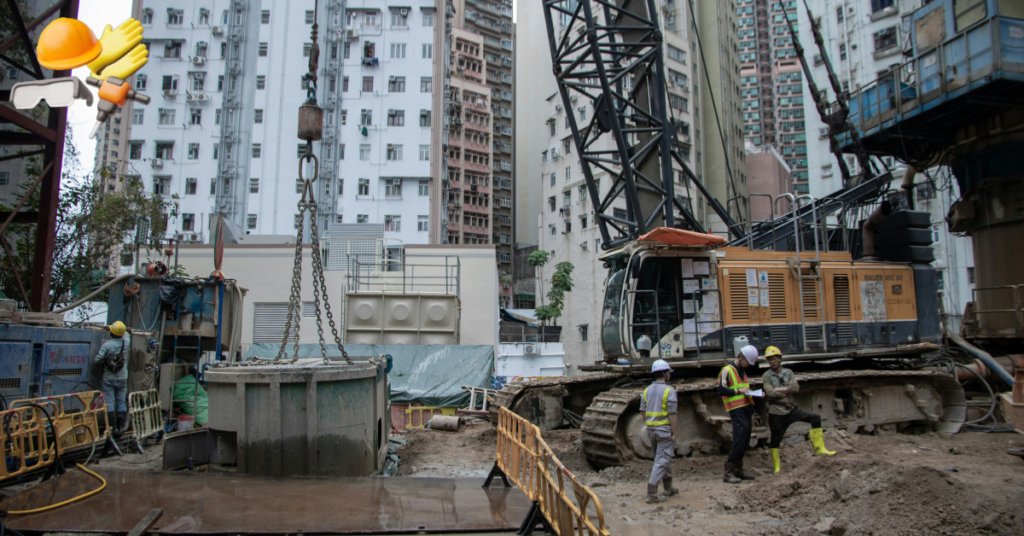
The word constructions refers to all activities involved in making or developing a structure. It may include building a new house, renovating an old shop, constructing a road, installing a roof, preparing a foundation, or developing a large industrial site.
Construction work usually starts with an idea or requirement. Then it moves to design, budgeting, approvals, material selection, site preparation, actual building work, inspection, finishing, and final handover.
A successful construction project is not only about completing the structure. It must also be safe, durable, cost-effective, legally approved, and suitable for long-term use.
Why Constructions are Important?
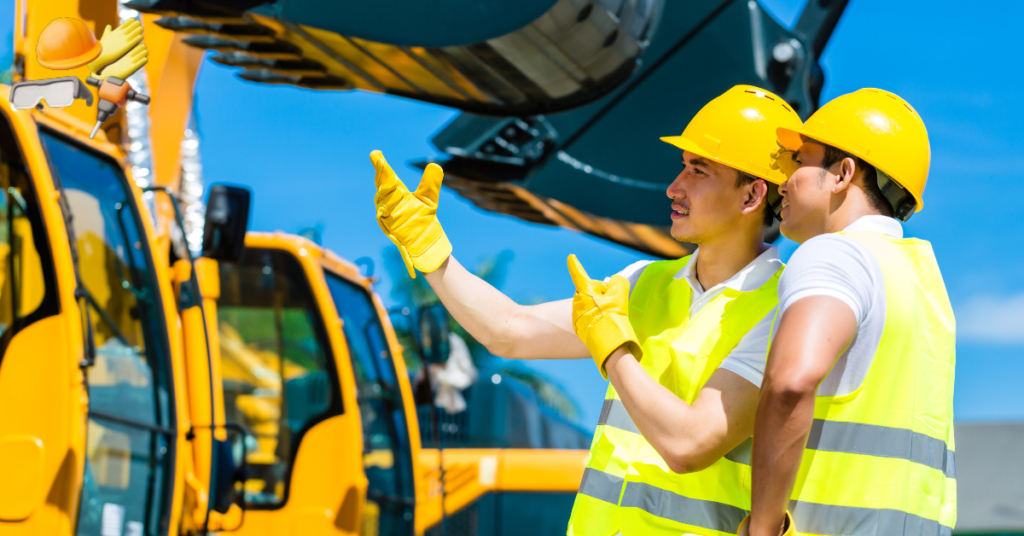
Constructions play a major role in economic and social development. Every city, town, and village depends on construction activities for housing, transportation, business, healthcare, education, and public services.
Good construction improves living standards. It creates jobs for engineers, architects, masons, electricians, plumbers, painters, welders, machine operators, safety officers, and suppliers.
In India and other developing countries, construction also supports industries like cement, steel, tiles, wood, electrical products, plumbing materials, safety equipment, and transport.
Without proper constructions, there would be no safe homes, schools, hospitals, factories, roads, bridges, airports, shopping centers, or warehouses.
Main Types of Constructions
Construction work is divided into different types based on purpose, size, materials, and usage. Each type requires different planning, safety measures, tools, and skilled workers.
Residential Constructions
Residential constructions include houses, apartments, villas, farmhouses, and residential societies. These projects are designed for people to live in.
Safety, comfort, ventilation, drainage, electrical wiring, waterproofing, and structural strength are very important in residential projects. Even small mistakes can create long-term problems such as leakage, cracks, weak walls, poor drainage, or unsafe wiring.
For residential projects, workers commonly use PPE such as safety helmets, gloves, safety shoes, eye protection, dust masks, and reflective jackets.
Commercial Constructions
Commercial constructions include offices, shops, malls, hotels, restaurants, showrooms, warehouses, and business centers. These buildings are made for business activities.
Commercial projects often need better planning because they must handle more people, heavier usage, fire safety rules, parking, electrical load, elevators, air conditioning, and emergency exits.
Safety equipment is very important on commercial sites because many workers may be working at the same time. Fall protection, barricades, fire extinguishers, signage, and first aid kits should be available at the site.
Industrial Constructions
Industrial constructions include factories, manufacturing plants, power plants, warehouses, processing units, and heavy-duty workspaces. These sites require strong structures because they often support heavy machines, chemicals, storage loads, and continuous operations.
Industrial projects need strict safety planning. Workers may face risks from machinery, welding, electrical systems, falling objects, dust, chemicals, and high temperatures.
Common PPE in industrial construction includes safety helmets, face shields, welding shields, cut-resistant gloves, safety shoes, ear protection, respirators, and high-visibility clothing.
Infrastructure Constructions
Infrastructure constructions include roads, bridges, highways, tunnels, railways, airports, dams, drainage systems, water supply networks, and public transport projects.
These projects are very important for public development. They improve connectivity, trade, travel, and emergency services.
Infrastructure sites usually involve heavy machinery, large teams, open traffic areas, excavation, concrete work, and outdoor working conditions. Because of these risks, site safety planning is extremely important.
Civil Constructions
Civil constructions cover a wide range of building and infrastructure work. It includes foundations, roads, bridges, buildings, drainage systems, retaining walls, boundary walls, and structural development.
Civil construction depends on engineering design, soil condition, load calculation, material quality, and correct execution. A civil project must be built according to approved drawings and safety standards.
Key Stages of a Construction Project
Every construction project follows a process. The size may be different, but the main stages are usually similar.
Planning and Design
Planning is the first and most important step in constructions. It includes understanding the requirement, selecting the site, preparing drawings, estimating cost, and deciding the project timeline.
A good plan reduces mistakes, delays, extra costs, and safety risks. It also helps the owner and contractor understand the final goal clearly.
During the design stage, architects and engineers prepare layouts, structural drawings, electrical plans, plumbing plans, and safety details.
Budgeting and Cost Estimation
Budgeting helps control construction expenses. It includes the cost of land preparation, materials, labor, machinery, transport, safety equipment, approvals, finishing, and unexpected expenses.
Many construction projects become costly because the budget is not planned properly. A realistic estimate should always include a safety margin for price changes and extra work.
Site Preparation
Before starting actual construction, the site must be prepared. This may include cleaning the land, removing waste, checking soil condition, marking the layout, arranging water and electricity, and creating storage areas for materials.
Site preparation also includes safety setup. Barricades, warning signs, first aid kits, fire extinguishers, and PPE arrangements should be completed before work begins.
Foundation Work
The foundation is the base of any structure. It transfers the load of the building to the ground. If the foundation is weak, the entire building can become unsafe.
Foundation work depends on soil condition, building design, number of floors, and load requirements. Common foundation types include isolated footing, combined footing, raft foundation, pile foundation, and strip foundation.
Proper excavation safety is important during foundation work. Workers should use helmets, safety shoes, gloves, and proper access systems.
Structural Work
Structural work includes columns, beams, slabs, walls, staircases, and other load-bearing parts of a building. Materials like cement, steel, concrete, bricks, blocks, and aggregates are commonly used.
This stage requires skilled labor and strong supervision. Poor-quality concrete, wrong steel placement, weak curing, or incorrect measurements can affect the life of the structure.
Electrical and Plumbing Work
Electrical and plumbing systems make a building functional. Electrical work includes wiring, switches, panels, lights, earthing, and power distribution.
Plumbing work includes water supply, drainage, bathrooms, kitchens, pipes, tanks, and sewage systems.
Both systems should be installed carefully. Poor wiring can cause fire risk, while poor plumbing can cause leakage, dampness, and structural damage.
Finishing Work
Finishing work gives the structure its final look. It includes plastering, painting, flooring, tiles, doors, windows, false ceiling, lighting, fittings, polishing, and exterior finishing.
Finishing quality affects appearance, comfort, and property value. However, safety should still continue during this stage because workers may use ladders, scaffolding, chemicals, paints, cutting tools, and electrical equipment.
Final Inspection and Handover
Before handover, the project should be inspected properly. The owner, contractor, engineer, or supervisor should check structure quality, electrical systems, plumbing, waterproofing, paint finish, doors, windows, safety systems, and site cleanliness.
Any defects should be corrected before final handover.
Common Materials Used in Constructions
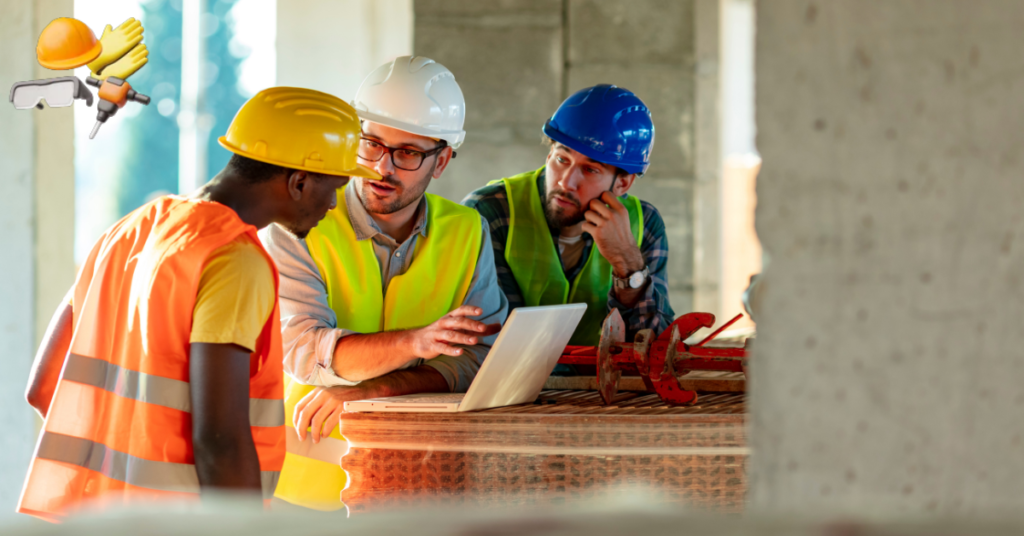
Construction quality depends heavily on material quality. Poor materials may reduce strength, increase repair costs, and create safety risks.
Cement
Cement is one of the most important materials in constructions. It is used in concrete, plaster, mortar, flooring, and many structural works.
Good cement should be fresh, properly packed, and stored in a dry place. Moisture can damage cement quality.
Steel
Steel provides strength to concrete structures. It is commonly used in columns, beams, slabs, foundations, and roofs.
Steel should be free from heavy rust, properly cut, bent, and placed according to structural drawings.
Bricks and Blocks
Bricks and blocks are used for walls, partitions, boundary walls, and other masonry work. Good bricks should be strong, properly shaped, and free from major cracks.
Concrete blocks, AAC blocks, and fly ash bricks are also used in modern construction.
Sand and Aggregates
Sand and aggregates are used in concrete and mortar. Clean and properly graded materials improve strength and workability.
Dirty sand or poor aggregates can weaken concrete and reduce durability.
Wood and Plywood
Wood and plywood are used for doors, windows, formwork, furniture, partitions, and interior work. In construction, quality wood helps improve finishing and durability.
For wet areas, water-resistant or treated materials are often preferred.
Tiles and Flooring Materials
Tiles, marble, granite, vinyl, wooden flooring, and concrete flooring are used based on budget, design, and usage.
Industrial areas may need anti-skid or heavy-duty flooring for safety.
Paints and Coatings
Paint protects walls and improves appearance. Exterior paints should resist weather, while interior paints should be smooth and washable.
Industrial construction may need special coatings for chemical resistance, fire resistance, or corrosion protection.
Safety in Constructions
Safety is one of the most important parts of constructions. Construction sites can be dangerous if safety rules are ignored. Workers may face risks from height, falling objects, sharp tools, machines, electricity, dust, noise, chemicals, and moving vehicles.
A safe site protects workers, reduces accidents, improves productivity, and builds trust with clients.
Why PPE Is Important in Construction
PPE means personal protective equipment. It protects workers from injuries and workplace hazards. PPE does not remove the hazard, but it reduces the risk of harm.
For example, a safety helmet protects the head from falling objects. Safety shoes protect feet from nails, heavy materials, and slippery surfaces. Gloves protect hands from cuts, heat, chemicals, and rough materials.
Every construction worker should use PPE according to the task and site risk.
Essential PPE for Construction Workers
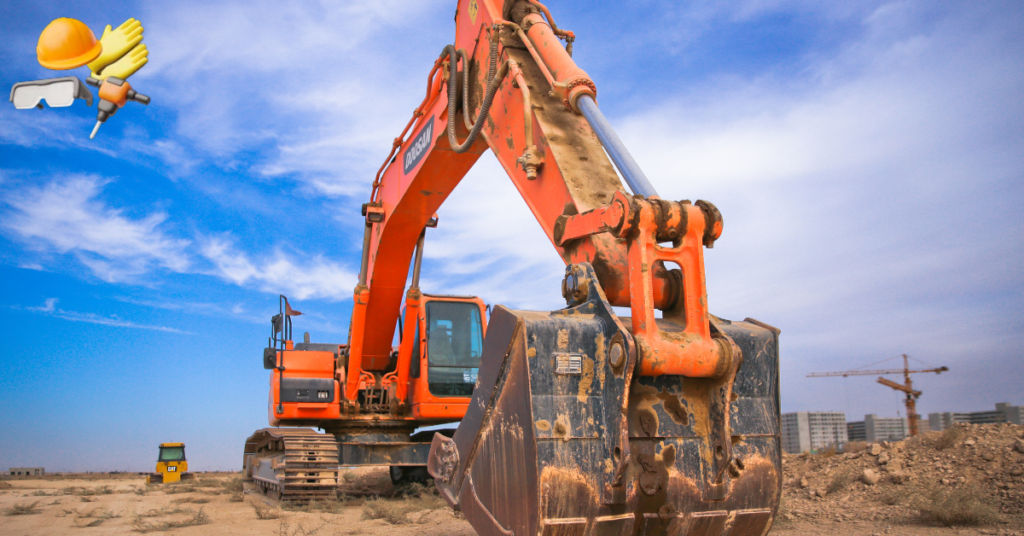
Safety Helmet
A safety helmet is one of the most important items on a construction site. It protects the head from falling tools, materials, and accidental hits.
Workers, supervisors, engineers, and visitors should wear helmets on active construction sites.
Safety Shoes
Safety shoes protect feet from sharp objects, falling materials, slippery surfaces, and electrical risks. Steel toe shoes are commonly used in construction because they provide extra protection.
In India, many construction workers ignore safety shoes, but they are very important for preventing foot injuries.
Safety Gloves
Gloves protect hands during cutting, lifting, welding, masonry, painting, electrical work, and material handling.
Different tasks require different gloves, such as cut-resistant gloves, rubber gloves, welding gloves, and general work gloves.
Safety Goggles
Safety goggles protect eyes from dust, sparks, cement particles, chemicals, and flying objects.
Eye protection is especially important during cutting, grinding, drilling, welding, and chemical work.
Face Mask and Respirator
Construction sites often produce dust from cement, sand, cutting, drilling, and demolition. Masks and respirators help protect workers from breathing harmful particles.
For high-dust jobs, a proper respirator is better than a simple cloth mask.
Reflective Jacket
Reflective jackets improve visibility. They are very useful on road construction sites, night work, warehouses, and places where vehicles or machines are moving.
Ear Protection
Construction sites can be noisy due to drilling machines, cutters, generators, compactors, and heavy equipment. Earplugs or earmuffs protect workers from hearing damage.
Fall Protection Equipment
When workers perform tasks at height, they need fall protection. This may include safety harnesses, lifelines, guardrails, safety nets, and proper scaffolding.
Falls are one of the most serious risks in construction work, so height safety should never be ignored.
Common Hazards in Constructions
Falls from Height
Falls can happen from roofs, ladders, scaffolding, slabs, and unfinished edges. Proper guardrails, harnesses, stable ladders, and safety training can reduce fall risks.
Falling Objects
Tools, bricks, steel rods, and other materials can fall from height and injure workers below. Safety helmets, toe boards, covered walkways, and proper material storage help prevent accidents.
Electrical Hazards
Temporary wiring, open cables, poor earthing, wet surfaces, and overloaded connections can create serious electrical risks.
Electrical work should be done by trained workers only. Power tools should be inspected regularly.
Slips and Trips
Wet floors, loose wires, scattered materials, uneven ground, and poor housekeeping can cause slips and trips.
Keeping the site clean and organized is a simple but powerful safety practice.
Machinery Accidents
Cranes, mixers, cutters, loaders, excavators, and compactors can cause injuries if operated carelessly.
Only trained operators should use machines. Workers should maintain safe distance from moving equipment.
Dust and Chemical Exposure
Cement dust, silica dust, paint fumes, adhesives, and chemicals can affect health. Masks, ventilation, safe storage, and proper handling procedures are important.
Fire Risks
Welding, electrical faults, flammable materials, gas cylinders, and poor storage can create fire hazards.
Fire extinguishers, safe wiring, emergency exits, and worker training should be part of every construction site.
Best Practices for Safe Constructions
Use PPE Daily
PPE should not be used only during inspections. It should be part of daily work. Workers should wear the right PPE before entering the site.
Train Workers Properly
Many accidents happen because workers do not understand the risk. Basic safety training helps workers identify hazards and follow safe methods.
Training should include PPE use, ladder safety, electrical safety, fire safety, lifting methods, tool handling, and emergency response.
Keep the Site Clean
Good housekeeping improves safety and productivity. Materials should be stacked properly. Waste should be removed regularly. Walkways should remain clear.
Inspect Tools and Equipment
Damaged tools and machines can cause accidents. Regular inspection helps identify loose wires, broken handles, damaged blades, weak ladders, and faulty equipment.
Follow Approved Drawings
Construction should follow approved drawings and engineering instructions. Random changes can affect safety, strength, and legal compliance.
Provide Clear Signage
Warning signs help workers and visitors understand site risks. Signs should be placed near excavation areas, electrical panels, slippery surfaces, restricted zones, and heavy machinery areas.
Supervise High-Risk Work
Activities like working at height, excavation, welding, lifting, and electrical work need proper supervision. Supervisors should ensure workers follow safety rules.
Construction Quality Control
Quality control means checking whether the work is done correctly. It helps prevent weak structures, material waste, and future repair costs.
Quality control includes checking cement quality, steel placement, concrete mixing, curing, brickwork alignment, plaster thickness, waterproofing, electrical wiring, plumbing pressure, and finishing quality.
A good construction project needs both safety control and quality control.
Importance of Curing in Construction
Curing is the process of keeping concrete moist after placing. It helps concrete gain strength.
If curing is ignored, concrete can develop cracks and lose strength. Proper curing is very important for slabs, columns, beams, plaster, and flooring.
In hot weather, curing becomes even more important because water evaporates quickly.
Role of Technology in Modern Constructions
Modern construction is changing fast. Technology helps improve speed, safety, accuracy, and quality.
Tools like digital drawings, project management software, drones, safety sensors, 3D modeling, and advanced machinery are becoming more common.
Even small contractors can benefit from simple technology such as digital measurement tools, WhatsApp reporting, mobile-based site photos, and online material tracking.
Green and Sustainable Constructions
Green construction focuses on reducing waste, saving energy, using eco-friendly materials, and improving long-term building performance.
Sustainable methods may include rainwater harvesting, solar panels, natural ventilation, energy-efficient lighting, waste recycling, and local materials.
Green buildings can reduce electricity bills, improve comfort, and support environmental protection.
Common Mistakes in Constructions
One common mistake is starting work without proper planning. This often leads to budget problems, delays, and design changes.
Another mistake is using low-quality materials to save money. This can reduce building life and increase repair costs later.
Ignoring safety is also a major mistake. Some contractors focus only on speed and cost, but accidents can stop work, damage reputation, and harm workers.
Poor supervision, wrong measurements, weak curing, untrained labor, and bad waterproofing are also common problems.
How to Choose the Right Construction Contractor
Choosing the right contractor is important for project success. A good contractor should have experience, skilled workers, proper tools, clear pricing, and a good understanding of safety.
Before hiring a contractor, check previous projects, client feedback, work quality, payment terms, timeline, and safety practices.
Avoid choosing only based on the lowest price. Very cheap work may lead to poor materials, weak finishing, delays, or hidden costs.
Construction Safety Checklist
A basic construction safety checklist should include safety helmets, safety shoes, gloves, goggles, masks, reflective jackets, first aid kit, fire extinguisher, warning signs, safe electrical wiring, clean walkways, proper scaffolding, stable ladders, and trained workers.
Site supervisors should check these items regularly. Safety should be treated as a daily responsibility, not a one-time formality.
Future of Constructions
The future of constructions will focus on safety, speed, sustainability, and smart technology. More projects will use better planning tools, stronger materials, eco-friendly designs, and advanced machinery.
Worker safety will also become more important as companies, clients, and governments focus on safer workplaces.
In India, construction demand is expected to remain strong because of housing, roads, industrial development, smart cities, and infrastructure growth. This means more opportunities for contractors, engineers, workers, safety equipment suppliers, and PPE businesses.
FAQs
What is the meaning of constructions?
Constructions mean the process of building, repairing, improving, or developing structures such as homes, offices, roads, bridges, factories, and public infrastructure.
What are the main types of constructions?
The main types include residential construction, commercial construction, industrial construction, infrastructure construction, and civil construction.
Why is safety important in constructions?
Safety is important because construction sites have risks such as falls, falling objects, electrical hazards, dust, machinery accidents, and fire. Proper safety protects workers and reduces accidents.
What PPE is needed for construction workers?
Common PPE includes safety helmets, safety shoes, gloves, goggles, masks, reflective jackets, ear protection, and fall protection equipment.
What is the most important stage in construction?
Planning and foundation work are among the most important stages. Good planning controls cost and quality, while a strong foundation supports the entire structure.
How can construction quality be improved?
Construction quality can be improved by using good materials, skilled labor, proper supervision, approved drawings, regular inspections, and correct curing methods.
What is green construction?
Green construction means building in a way that saves energy, reduces waste, uses eco-friendly materials, and improves long-term environmental performance.
Why do construction projects get delayed?
Construction projects may get delayed because of poor planning, material shortage, labor issues, weather, design changes, approval delays, and weak project management.
Conclusion
Constructions are an important part of development, safety, and modern living. Whether it is a small house, a commercial building, a factory, a road, or a bridge, every construction project needs proper planning, quality materials, skilled workers, and strong safety practices.
A successful construction project is not only judged by how fast it is completed. It is also judged by how safe, durable, useful, and cost-effective it is. From foundation to finishing, every step must be handled carefully.
Safety equipment and PPE play a major role in protecting workers on construction sites. Helmets, safety shoes, gloves, goggles, masks, reflective jackets, and fall protection equipment should be treated as basic needs, not optional items.
For homeowners, contractors, site supervisors, and safety buyers, understanding construction basics helps in making better decisions. With the right planning, safety approach, and quality control, construction projects can become stronger, safer, and more reliable for long-term use.