
introduction
Design and construction is one of the most important parts of any building project. Whether someone is planning a house, office, commercial building, road, bridge, or renovation project, the success of the work depends on proper planning, smart design, quality materials, and professional construction.
Many beginners think construction only means building walls, roofs, and floors. But in reality, construction starts much earlier. It begins with an idea, then moves into planning, design, budgeting, approvals, material selection, and finally physical building work. If the design is poor, the construction can become costly, slow, unsafe, or uncomfortable to use.
A good design and construction process helps create buildings that are strong, beautiful, functional, and long-lasting. It also saves money because mistakes are reduced before the actual work begins. This is why architects, engineers, contractors, designers, and project managers work together from the start.
In this article, you will learn the meaning of design and construction, how the process works, why it matters, and what steps are needed to complete a successful project.
what is design and construction?
Design and construction means the complete process of planning, designing,
and building a structure. Design is the creative and technical planning stage, while construction is the practical stage where the plan becomes a real building.
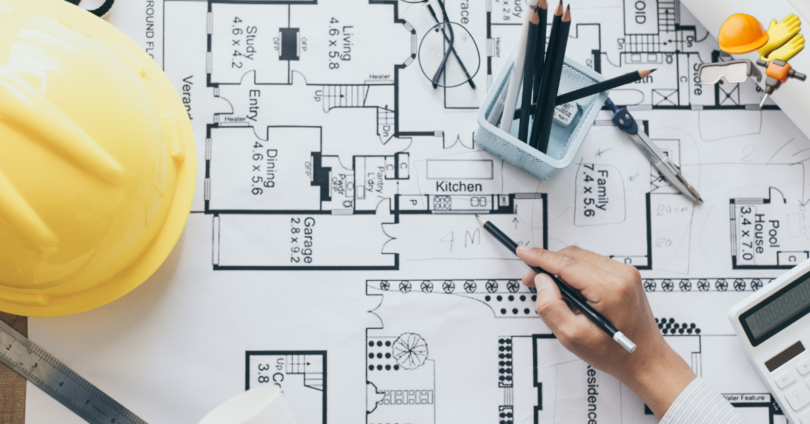
Design includes layout, drawings, structure, materials, space planning, safety, style, and functionality. Construction includes site preparation, foundation work, structural work, roofing, plumbing, electrical work, finishing, and final inspection.
For example, if someone wants to build a house, the design stage decides how many rooms there will be, where the kitchen will be, how sunlight will enter, where doors and windows will be placed, and what materials will be used. After that, the construction team builds the house according to the approved design.
So, design and construction are connected. A strong design makes construction easier, and quality construction makes the design successful.
importance of design and construction
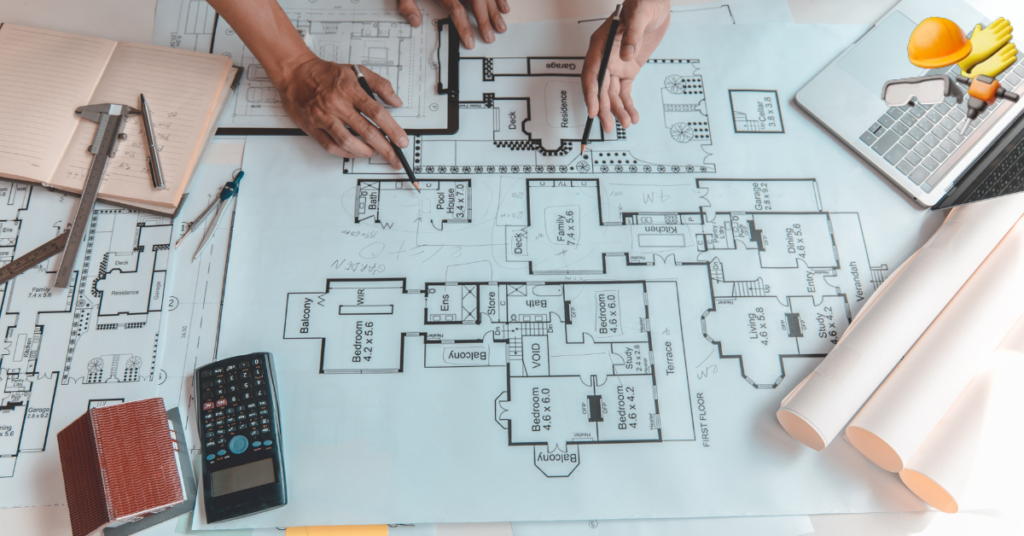
The importance of design and construction is very high because every building must be safe, useful, and comfortable. A building is not only made for looks. It must also handle weather, load, daily use, and future maintenance.
Good design helps avoid space problems, poor ventilation, weak structure, and unnecessary cost. Good construction ensures that the building is strong, durable, and built according to standards.
When design and construction are properly managed, the project becomes easier to complete. The owner gets better quality, fewer delays, and fewer unexpected expenses.
In simple words, design gives direction, and construction gives shape to that direction.
key stages of design and construction
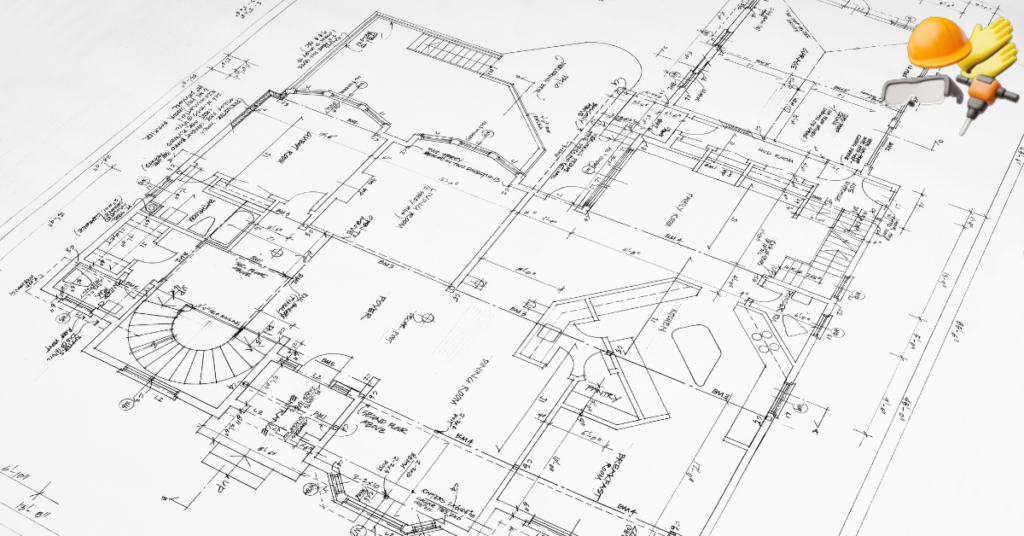
Every project has different needs, but most design and construction projects follow some common stages.
1. project planning
Project planning is the first step. In this stage, the owner decides what they want to build, why they want to build it, and how much budget they have.
Planning includes project goals, land information, building purpose, timeline, budget, and basic requirements. Without planning, the project can become confusing and expensive.
For example, a family building a home should decide the number of bedrooms, parking space, garden area, future expansion needs, and estimated budget before starting the design.
2. site analysis
Site analysis means checking the land before design and construction starts. This includes land size, soil condition, road access, drainage, sunlight, wind direction, nearby buildings, and legal restrictions.
A proper site analysis helps the designer create a practical plan. It also helps engineers decide what type of foundation is suitable.
If the soil is weak, the foundation design may need extra strength. If the land is small, the layout must use space smartly. This is why site analysis is very important.
3. concept design
Concept design is the early design idea. It shows the basic layout, shape, style, and function of the building.
At this stage, the architect or designer creates rough plans and basic drawings. The owner can review the concept and suggest changes.
The goal of concept design is to make sure the project direction is clear before detailed drawings begin.
4. architectural design
Architectural design focuses on the look, layout, and usability of the building. It includes floor plans, elevations, room sizes, door and window placement, interior flow, and exterior appearance.
A good architectural design improves comfort and beauty. It also helps people use the space easily.
For example, in a house, the living room should be easy to access, bedrooms should have privacy, bathrooms should be properly placed, and kitchen ventilation should be planned well.
5. structural design
Structural design is handled by engineers. It focuses on the strength and safety of the building.
This includes foundation, columns, beams, slabs, walls, roof structure, and load-bearing capacity. The structure must be strong enough to carry the building load and resist weather conditions.
Structural design is one of the most serious parts of design and construction because safety depends on it. Poor structural design can create cracks, settlement, or dangerous building failure.
6. MEP design
MEP means mechanical, electrical, and plumbing design. This stage includes water supply, drainage, electrical wiring, lighting, ventilation, air conditioning, and safety systems.
Many people ignore MEP planning, but it is very important. Poor plumbing can cause leakage. Poor electrical planning can create safety risks. Poor ventilation can make the building uncomfortable.
A complete design and construction plan should always include proper MEP design.
7. cost estimation
Cost estimation helps the owner understand how much the project may cost. It includes materials, labor, equipment, approvals, contractor charges, finishing, and extra expenses.
A clear estimate helps control budget. It also helps avoid sudden financial problems during construction.
Cost estimation should be realistic. Very low estimates may look attractive, but they often lead to poor quality or incomplete work.
8. approvals and permits
Before construction starts, many projects require approvals from local authorities. These approvals depend on location and project type.
Approval may include building plan approval, land use permission, safety clearance, environmental rules, and utility connections.
Starting construction without proper permission can create legal problems later. So, approvals are an important part of the process.
9. construction work
Construction is the stage where the design becomes reality. It includes site clearing, foundation, structure, walls, roofing, plastering, flooring, electrical work, plumbing, painting, and finishing.
During this stage, the contractor, engineers, and supervisors must follow the approved drawings. Quality materials and skilled labor are very important.
Good supervision helps reduce mistakes and keeps the project on track.
10. inspection and handover
After construction is complete, the project should be inspected. This includes checking structure, finishing, plumbing, electrical systems, doors, windows, paint, flooring, and safety features.
Any defects should be fixed before final handover. After that, the building is given to the owner for use.
role of architect in design and construction
An architect plays an important role in design and construction. The architect plans the building layout, appearance, space usage, and user experience.
Architects also help connect the owner’s idea with practical design. They make sure the building is functional, attractive, and suitable for the site.
For residential projects, an architect helps create comfortable living spaces. For commercial projects, they help improve customer flow, branding, and space efficiency.
role of engineer in design and construction
Engineers focus on technical safety and performance. Structural engineers make sure the building is strong. Civil engineers manage construction quality. Electrical and plumbing engineers handle building services.
Without engineers, a building may look good but may not be safe or practical. That is why architects and engineers must work together.
In quality design and construction, both creative design and technical engineering are equally important.
role of contractor in design and construction
A contractor manages the actual building work. The contractor arranges labor, materials, tools, equipment, and site activities.
A good contractor follows drawings, maintains quality, manages workers, and completes work within the agreed timeline.
Choosing the right contractor is very important. A cheap but unskilled contractor can create serious problems such as poor finishing, weak work, delays, and extra cost.
benefits of good design and construction
A well-managed design and construction process gives many benefits.
First, it improves safety. A properly designed and constructed building can handle loads, weather, and daily use.
Second, it saves money. Good planning reduces mistakes, material waste, and rework.
Third, it improves comfort. Proper room planning, ventilation, lighting, and layout make the building better for users.
Fourth, it increases property value. A well-designed and well-built property is easier to sell, rent, or use for business.
Fifth, it reduces maintenance problems. Quality construction lowers the chances of cracks, leakage, wiring issues, and poor finishing.
common mistakes in design and construction
Many projects face problems because of simple mistakes. One common mistake is starting construction without a complete design. This creates confusion and increases cost.
Another mistake is using low-quality materials to save money. This may reduce cost in the beginning, but it creates bigger repair expenses later.
Poor supervision is also a major issue. Even a good design can fail if workers do not follow proper methods.
Unrealistic budgeting is another problem. Owners sometimes plan a big project with a small budget, then compromise on quality.
Ignoring future needs is also a mistake. A building should be designed with future maintenance, expansion, and usability in mind.
design and construction for residential buildings
Residential design and construction focuses on comfort, safety, privacy, and family needs.
A good house design should have proper bedrooms, bathrooms, kitchen space, storage, ventilation, natural light, and parking. The construction should use strong materials and proper finishing.
For homes, small details matter a lot. Door placement, window size, bathroom location, kitchen ventilation, and staircase design can affect daily life.
A good residential project should balance beauty, comfort, and budget.
design and construction for commercial buildings
Commercial buildings need a different approach. These buildings are designed for business use, customers, employees, and operations.
Examples include offices, shops, malls, warehouses, restaurants, hotels, and showrooms.
Commercial design and construction should focus on space efficiency, safety, branding, accessibility, parking, lighting, and customer movement.
For example, a shop should have an attractive front design, easy entry, proper display space, and good lighting. An office should have workstations, meeting rooms, reception, and comfortable circulation.
modern trends in design and construction
Modern design and construction is changing quickly. Today, people want buildings that are energy-efficient, smart, sustainable, and low-maintenance.
One popular trend is open planning, where spaces feel wider and more connected. Another trend is using natural light to reduce electricity use.
Smart technology is also becoming common. Buildings may include smart lighting, security cameras, automated gates, and energy-saving systems.
Sustainable construction is also important. This includes using eco-friendly materials, rainwater harvesting, solar panels, and better insulation.
Modern construction also uses better project management tools, 3D design, and digital drawings to reduce mistakes.
materials used in design and construction
Materials are a major part of every building project. Common construction materials include cement, steel, bricks, blocks, concrete, wood, glass, tiles, paint, pipes, wires, and waterproofing products.
The choice of materials depends on budget, climate, design, and building purpose.
For example, a house in a hot area may need heat-resistant materials and better ventilation. A commercial building may need stronger flooring and durable finishes because of heavy use.
Using the right materials improves strength, appearance, and lifespan.
safety in design and construction
Safety is one of the most important parts of design and construction. A project should be safe during construction and after completion.
During construction, workers need helmets, gloves, safety shoes, belts, and proper tools. The site should be clean and organized to reduce accidents.
After construction, the building should have safe stairs, strong railings, proper wiring, fire safety, good drainage, and secure structure.
Ignoring safety can lead to injuries, legal issues, and property damage.
quality control in design and construction
Quality control means checking the work at every stage. It includes material testing, site inspection, drawing review, workmanship checking, and final finishing review.
Quality control helps ensure that the building matches the approved design and technical standards.
For example, concrete quality should be checked before pouring. Steel placement should be inspected before slab work. Plumbing lines should be tested before covering walls.
Good quality control saves money and prevents future problems.
cost control in design and construction
Cost control is necessary because construction expenses can increase quickly. A project should have a clear budget and regular cost tracking.
The owner should compare material prices, choose practical designs, avoid unnecessary changes, and keep some extra budget for unexpected work.
Changing the design again and again during construction increases cost. That is why final decisions should be made before work starts.
A practical design and construction plan helps complete the project within budget.
time management in design and construction
Time management is important for every project. Delays increase labor cost, rent cost, and stress.
A construction schedule should include each stage of work, such as excavation, foundation, structure, plaster, flooring, painting, and finishing.
Weather, material delays, labor shortage, and design changes can affect the timeline. Good project management helps reduce these delays.
sustainable design and construction
Sustainable design and construction means building in a way that reduces waste, saves energy, and protects the environment.
This can include solar panels, energy-efficient windows, natural ventilation, water-saving fixtures, recycled materials, and proper insulation.
Sustainable buildings are better for the environment and often reduce long-term utility costs.
For example, a house with good sunlight and ventilation may use less electricity during the day. A building with rainwater harvesting can reduce water waste.
how to choose the right design and construction team
Choosing the right team is very important. The team should have experience, clear communication, and a good work record.
Before hiring anyone, check their previous projects, reviews, portfolio, pricing, and work process.
Do not choose only based on low price. Quality, honesty, and experience matter more.
A good team will explain the process clearly, give realistic estimates, follow safety rules, and complete work professionally.
design and construction checklist
Before starting a project, make sure these things are clear:
Project purpose should be decided.
Budget should be realistic.
Land documents should be checked.
Site condition should be inspected.
Architectural design should be completed.
Structural drawings should be prepared.
Material quality should be selected.
Contractor should be finalized.
Legal approvals should be taken.
Construction timeline should be planned.
This simple checklist can help avoid many common problems.
future of design and construction
The future of design and construction will be more digital, smart, and sustainable. More projects will use 3D modeling, modern machinery, energy-saving systems, and advanced materials.
People are also becoming more aware of safety, comfort, and long-term value. Instead of only building fast, they want buildings that are durable, efficient, and easy to maintain.
In the coming years, technology will make construction more accurate and design more practical. But the basic rule will remain the same: a successful building needs strong planning, smart design, and quality construction.
faqs
what is design and construction?
Design and construction is the complete process of planning, designing, and building a structure. It includes drawings, engineering, materials, budgeting, approvals, and physical construction work.
why is design important before construction?
Design is important because it gives a clear plan for the project. It helps avoid mistakes, saves money, improves safety, and makes the building more functional.
what comes first, design or construction?
Design comes first. Construction should start only after the design, drawings, budget, and approvals are ready.
who is involved in design and construction?
Architects, engineers, contractors, project managers, supervisors, workers, and the project owner are involved in the process.
how can construction cost be reduced?
Cost can be reduced through proper planning, realistic design, quality estimation, avoiding repeated changes, and choosing materials wisely.
what is the difference between design and construction?
Design is the planning and drawing stage. Construction is the physical building stage where the design is turned into a real structure.
why do construction projects get delayed?
Projects may get delayed due to poor planning, material shortage, weather problems, labor issues, approval delays, or changes in design during construction.
conclusion
Design and construction is the foundation of every successful building project. A good project does not start with bricks and cement only. It starts with planning, clear goals, smart design, technical drawings, budgeting, approvals, and the right construction team.
When design and construction work together properly, the final building becomes safer, stronger, more comfortable, and more valuable. Good design helps people use the space better, while quality construction makes the structure durable and long-lasting.
For any residential, commercial, or infrastructure project, it is important to avoid shortcuts. Low-quality materials, poor planning, and weak supervision can create serious problems in the future. On the other hand, a professional approach can save money, reduce stress, and improve the final result.
Whether you are building a small house, a modern office, or a large commercial project, always focus on proper planning, experienced professionals, quality materials, and regular inspection. This is the best way to complete a successful design and construction project.