
Introduction
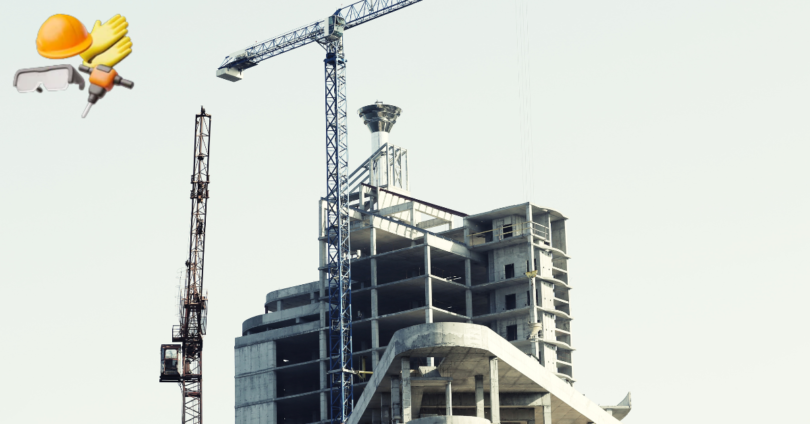
RCC building full form is Reinforced Cement Concrete Building. In simple words, an RCC building is a structure made with cement concrete and steel reinforcement. Concrete is strong in compression, while steel is strong in tension. When both materials are used together, they create a strong, durable, and long-lasting structure.
Today, RCC construction is used in houses, apartments, commercial buildings, bridges, schools, hospitals, offices, and industrial structures. It is one of the most common construction methods in India because it gives strength, stability, fire resistance, and better durability.
For anyone planning to build a house or understand construction basics, knowing the rcc building full form and its meaning is very important. It helps you understand how modern buildings are made and why safety, quality materials, and proper construction methods matter.
What Is the RCC Building Full Form?
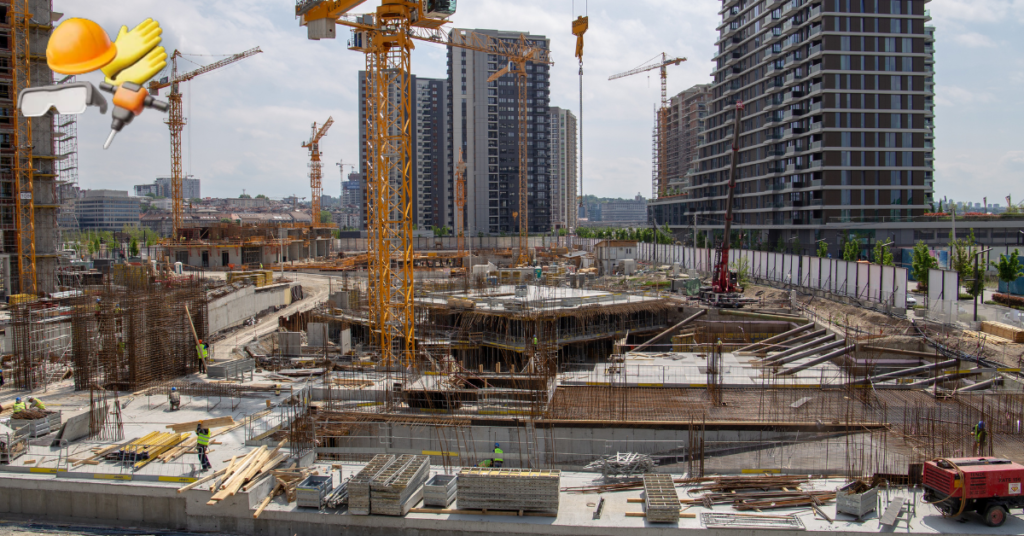
The rcc building full form is Reinforced Cement Concrete Building.
Here is the simple meaning:
RCC means concrete that is reinforced with steel bars.
Building means a structure made for living, working, storage, business, or public use.
So, an RCC building means a building made using reinforced cement concrete in important structural parts such as columns, beams, slabs, staircases, foundations, and roofs.
Concrete alone can handle heavy loads, but it can crack when tension force acts on it. Steel bars help control this weakness. That is why RCC is trusted for strong and safe building construction.
Meaning of Reinforced Cement Concrete

Reinforced Cement Concrete is a combination of:
Cement, sand, aggregates, water, and steel reinforcement.
Cement works as a binding material. Sand fills small gaps. Aggregates provide bulk and strength. Water helps cement react and harden. Steel bars add tensile strength.
When these materials are mixed and placed properly, they form a hard and strong material that can support heavy building loads.
In RCC buildings, steel bars are placed inside concrete before the concrete is poured. After curing, the steel and concrete work together as one solid structure.
Why RCC Is Used in Building Construction
RCC is used because it provides strength, safety, and durability. In modern construction, buildings need to handle different types of loads such as dead load, live load, wind load, and sometimes earthquake forces.
RCC can support these loads when designed and constructed correctly.
It is also suitable for different building designs. Whether the building is small, medium, or multi-storey, RCC can be used in many structural forms.
Another reason RCC is popular is its availability. Cement, sand, aggregates, and steel are commonly available in India, making RCC a practical option for builders and homeowners.
Main Components of an RCC Building
An RCC building is not made from one single element. It includes many structural parts that work together.
RCC Foundation
The foundation transfers the building load to the ground. It is one of the most important parts of any building.
If the foundation is weak, the whole structure can become unsafe. RCC foundations are commonly used because they provide better strength and load distribution.
RCC Columns
Columns are vertical structural members. They carry loads from slabs and beams and transfer them to the foundation.
In RCC buildings, columns must be designed properly because they support the main weight of the structure.
RCC Beams
Beams are horizontal structural members. They transfer the load from slabs to columns.
A beam helps support floors, roofs, and walls. Steel reinforcement inside beams helps them resist bending and cracking.
RCC Slabs
Slabs are flat horizontal surfaces used for floors and roofs. In houses, RCC slabs are commonly used for roof construction.
A properly constructed slab gives strength, stability, and long life to the building.
RCC Staircase
Many buildings use RCC staircases because they are strong, durable, and safe for daily use.
RCC stairs can handle heavy foot traffic and last for many years when built correctly.
RCC Roof
An RCC roof is very common in Indian houses. It is strong, weather-resistant, and suitable for long-term use.
With proper waterproofing and curing, an RCC roof can protect the building from heat, rain, and structural damage.
Benefits of RCC Building Construction?
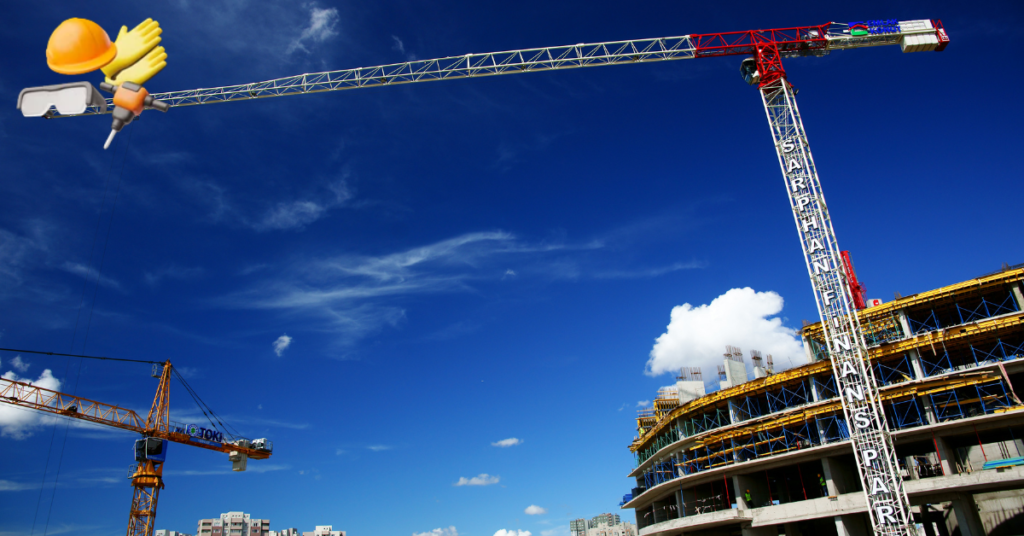
RCC buildings are preferred because they offer many practical benefits.
High Strength
RCC buildings are strong because they combine concrete and steel. Concrete handles compression, while steel handles tension.
This combination makes RCC suitable for residential, commercial, and industrial construction.
Long Durability
A well-built RCC structure can last for many decades. Proper design, quality materials, curing, and maintenance increase its life.
This is one reason RCC is widely used for permanent buildings.
Fire Resistance
Concrete has good fire resistance compared to many other building materials. RCC structures can provide better safety during fire incidents when designed as per building standards.
However, fire safety equipment and proper emergency planning are still important for every building.
Weather Resistance
RCC buildings can resist different weather conditions such as heat, rain, and wind.
In India, where weather changes from region to region, RCC is a reliable building material.
Flexible Design
RCC can be moulded into different shapes. This gives architects and engineers more freedom in building design.
It can be used for modern homes, apartments, commercial complexes, and public buildings.
Better Load Carrying Capacity
RCC can carry heavy loads when designed correctly. That is why it is used in multi-storey buildings and heavy structures.
The strength depends on design, steel reinforcement, concrete quality, and construction workmanship.
RCC Building Construction Process
The RCC construction process must be done carefully. A small mistake in design, material quality, or curing can affect the strength of the building.
Site Investigation
Before construction starts, the site should be checked properly. Soil testing helps engineers understand the ground condition.
This step is important because the foundation design depends on soil strength.
Structural Design
A structural engineer prepares the design of foundation, columns, beams, slabs, and reinforcement details.
This design should follow safety standards and local building rules.
Material Selection
Good quality cement, sand, aggregates, water, and steel bars should be used.
Poor materials can reduce the strength of the RCC building and create long-term problems.
Formwork Installation
Formwork is a temporary mould used to hold wet concrete in shape until it becomes strong.
Proper formwork prevents leakage, uneven shape, and structural defects.
Steel Reinforcement Placement
Steel bars are placed as per structural drawings. Correct spacing, bar size, cover, and binding are very important.
If steel reinforcement is not placed correctly, the RCC structure may become weak.
Concrete Mixing and Pouring
Concrete should be mixed in the right proportion. It should be poured carefully into the formwork.
Improper mixing can cause weak concrete, cracks, and honeycombing.
Compaction
Concrete must be compacted properly to remove air gaps. Vibrators are commonly used for this purpose.
Good compaction improves strength and finish quality.
Curing
Curing means keeping concrete wet for a specific period so it can gain strength.
Poor curing is one of the common reasons behind cracks and weak RCC structures.
Safety Importance in RCC Building Construction
Construction safety is very important during RCC work. RCC construction involves cement, steel, machinery, height work, heavy loads, and electrical equipment.
Workers should use proper PPE and follow safety rules on site.
Essential PPE for RCC Construction
Workers should use safety equipment such as:
Safety helmets
Safety shoes
Safety gloves
Safety goggles
Reflective jackets
Dust masks
Fall protection belts
Ear protection where needed
Personal protective equipment reduces the risk of injuries during cutting, bending, concreting, lifting, drilling, and working at height.
Common Safety Risks in RCC Construction
RCC construction sites can have many risks if safety is ignored.
Common risks include falling from height, cement burns, eye injuries, hand cuts, foot injuries, falling materials, electrical shocks, and machinery accidents.
Using the right safety equipment and following proper work methods can reduce these risks.
Quality Checks in RCC Building Work
Quality checking is necessary to make sure the RCC building is safe and durable.
Important checks include:
Concrete mix quality
Steel bar size and spacing
Concrete cover
Formwork stability
Concrete compaction
Curing period
Slab thickness
Column alignment
Beam level
Crack inspection
A building should never be constructed only by guesswork. Proper supervision is important.
RCC Building vs Normal Brick Building
A normal brick structure mainly depends on load-bearing walls. An RCC building uses columns, beams, slabs, and foundations to carry loads.
RCC buildings are usually stronger and more suitable for modern construction, especially where multi-storey construction is required.
Brick walls are still used in RCC buildings, but mainly as partition or infill walls. The main load is carried by the RCC frame.
RCC Building vs Steel Structure
RCC and steel structures are both used in construction, but they have different uses.
RCC buildings are common for houses, apartments, schools, and offices. Steel structures are often used in factories, warehouses, sheds, and large-span buildings.
RCC is generally more fire-resistant and commonly available, while steel structures can be faster to build but need corrosion protection.
The best choice depends on project type, budget, design, location, and load requirement.
Common Problems in RCC Buildings
Even RCC buildings can develop problems if construction quality is poor.
Cracks in RCC
Cracks can appear due to poor curing, wrong concrete mix, overloading, settlement, temperature changes, or bad workmanship.
Small cracks should be checked early before they become serious.
Water Leakage
Water leakage is common in roofs, bathrooms, balconies, and basements.
Proper waterproofing is important to protect RCC from moisture damage.
Steel Corrosion
If water reaches steel reinforcement, rust can form. Corrosion weakens steel and can damage the concrete around it.
Proper concrete cover and waterproofing help prevent corrosion.
Honeycombing
Honeycombing means empty spaces or rough patches inside concrete. It happens due to poor compaction or improper concrete flow.
It can reduce strength and should be repaired properly.
Poor Curing
Without proper curing, concrete cannot gain full strength. This can cause cracks and weak structure.
Curing should never be skipped in RCC work.
RCC Building Maintenance Tips
Maintenance helps increase the life of an RCC building.
Inspect cracks regularly.
Repair leakage quickly.
Keep roof waterproofing in good condition.
Avoid overloading slabs.
Check exposed steel and repair it.
Maintain drainage systems.
Use good quality paint and protective coatings.
Get professional inspection for major structural issues.
Small maintenance work at the right time can save large repair costs later.
Importance of Professional RCC Design
RCC building work should be designed by qualified engineers. Many people make the mistake of copying another building design without checking soil, load, and layout.
This can be risky because every site is different.
A professional structural design helps ensure that the building is safe, stable, and suitable for long-term use.
RCC Building Cost Factors
The cost of an RCC building depends on many factors.
Main cost factors include building size, number of floors, steel rate, cement rate, labour cost, design complexity, soil condition, location, finishing quality, and safety arrangements.
In India, material prices can change from city to city. That is why an accurate cost estimate should be prepared after checking drawings and site conditions.
RCC Building Safety Tips for Homeowners
If you are building a house, do not focus only on appearance. Structural safety is more important.
Always use good quality materials. Hire experienced contractors. Follow engineer drawings. Do proper curing. Use waterproofing where needed. Never reduce steel quantity without engineer approval.
Also make sure workers use proper safety equipment during construction. A safe site protects both workers and property owners.
RCC Building Full Form in Simple Words
In simple words, rcc building full form means a building made with reinforced cement concrete.
It is called reinforced because steel bars are added inside concrete to make it stronger. This method helps buildings handle heavy loads and last longer.
RCC construction is one of the most trusted methods in modern building work.
FAQs
What is the full form of RCC building?
The full form of RCC building is Reinforced Cement Concrete Building. It means a structure made using concrete and steel reinforcement.
What is RCC used for in buildings?
RCC is used for foundations, columns, beams, slabs, roofs, staircases, and other structural parts of a building.
Why is steel used in RCC?
Steel is used because concrete is weak in tension. Steel reinforcement adds tensile strength and helps control cracks.
Is RCC good for house construction?
Yes, RCC is commonly used for house construction because it is strong, durable, fire-resistant, and suitable for long-term buildings.
What is the difference between RCC and concrete?
Concrete is made from cement, sand, aggregates, and water. RCC is concrete reinforced with steel bars to improve strength.
Is RCC construction safe?
RCC construction is safe when designed by engineers, built with quality materials, and constructed according to proper safety standards.
How long can an RCC building last?
A well-designed and properly maintained RCC building can last for many decades. Its life depends on material quality, construction method, curing, waterproofing, and maintenance.
Conclusion
RCC building full form is Reinforced Cement Concrete Building. It is one of the most common and trusted construction methods used in India and many other countries. RCC combines the strength of concrete and steel to create strong, stable, and durable buildings.
From foundations and columns to beams, slabs, roofs, and staircases, RCC plays an important role in modern construction. It gives better load-bearing capacity, long life, fire resistance, and design flexibility.
However, RCC construction must be done carefully. Good materials, proper structural design, correct steel placement, quality concrete, compaction, curing, waterproofing, and regular maintenance are all important. Safety equipment is also necessary to protect workers during RCC work.
For homeowners, builders, and beginners, understanding the meaning of RCC helps in making better construction decisions. A properly built RCC building is not only strong but also safer for the people who live or work inside it.