
Modern infrastructure is the foundation of strong cities, safe communities, growing businesses, and better daily life. When roads, bridges, buildings, transportation systems, energy networks, internet connections, water systems, and public services are planned properly, people can live and work more comfortably.
Today, infrastructure is not only about concrete, steel, and construction. It is also about technology, sustainability, safety, speed, and long-term planning. A city with modern infrastructure can handle population growth, support businesses, reduce traffic problems, improve public health, and create more job opportunities.
For beginners, the idea may sound technical, but it is actually simple. Infrastructure means the basic systems that help society function. Modern infrastructure means those systems are upgraded, smarter, safer, and more efficient.
For example, an old road may only allow vehicles to move from one place to another. But a modern road system may include traffic signals, CCTV cameras, smart lighting, drainage systems, pedestrian walkways, bicycle lanes, and digital traffic control. This is the difference between traditional infrastructure and modern infrastructure.
In this article, you will learn what modern infrastructure means, why it is important, what its main types are, and how it improves the future of cities, businesses, and communities.
What Is Modern Infrastructure?

Modern infrastructure refers to advanced physical and digital systems that support the daily needs of people, businesses, and governments. It includes roads, bridges, airports, railways, electricity systems, water supply, internet networks, drainage systems, hospitals, schools, public buildings, smart technology, and sustainable construction.
In simple words, infrastructure is the backbone of a country or city. When this backbone is strong, everything works better. People can travel easily, businesses can move goods faster, students can access education, hospitals can provide better care, and cities can manage resources more efficiently.
Traditional infrastructure focused mainly on basic construction. It was about building roads, dams, bridges, and public buildings. However, modern infrastructure goes beyond that. It combines construction with technology, environmental care, energy efficiency, safety systems, and smart planning.
For example, a traditional building may only provide space for people to live or work. A modern building may include solar panels, energy-saving lights, fire safety systems, smart elevators, water recycling systems, and digital security. This makes the building more efficient and safer.
Modern infrastructure also includes digital infrastructure. High-speed internet, data centers, communication towers, smart city systems, and cloud technology are now essential parts of development. Without digital systems, modern businesses and services cannot operate smoothly.
This is why governments, construction companies, engineers, and urban planners now focus on building infrastructure that is not only strong but also intelligent, sustainable, and future-ready.
Why Is Modern Infrastructure Important?
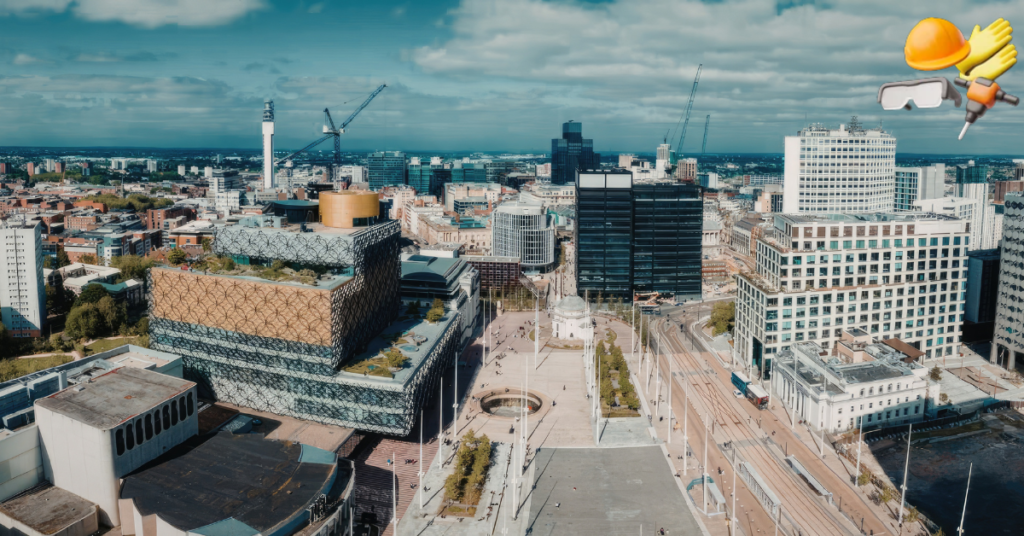
Modern infrastructure is important because it directly affects economic growth, public safety, business development, and quality of life. A city or country cannot grow properly without strong infrastructure.
When infrastructure is weak, people face daily problems. Roads become crowded, water supply becomes unreliable, electricity cuts happen often, internet speed becomes slow, and public services become difficult to access. These issues reduce productivity and create frustration.
On the other hand, modern infrastructure makes life easier. It helps people reach work on time, allows businesses to deliver products faster, improves communication, supports education, and makes public services more reliable.
For businesses, infrastructure is extremely important. A company needs good roads, stable electricity, internet access, transportation, and safe buildings to operate successfully. If these systems are poor, business costs increase and growth becomes difficult.
Modern infrastructure also supports safety. Strong bridges, proper drainage systems, smart traffic lights, fire safety systems, and earthquake-resistant buildings can protect people from accidents and disasters.
Another important reason is sustainability. Cities are growing fast, and old systems are often not enough to handle modern needs. Sustainable infrastructure helps reduce pollution, save energy, manage waste, and protect natural resources.
In short, modern infrastructure is not just about development. It is about creating a better, safer, cleaner, and more productive future.
Main Types of Modern Infrastructure

Modern infrastructure has many types. Each type plays a different role in supporting society. When all these systems work together, cities become more organized and efficient.
Transportation Infrastructure
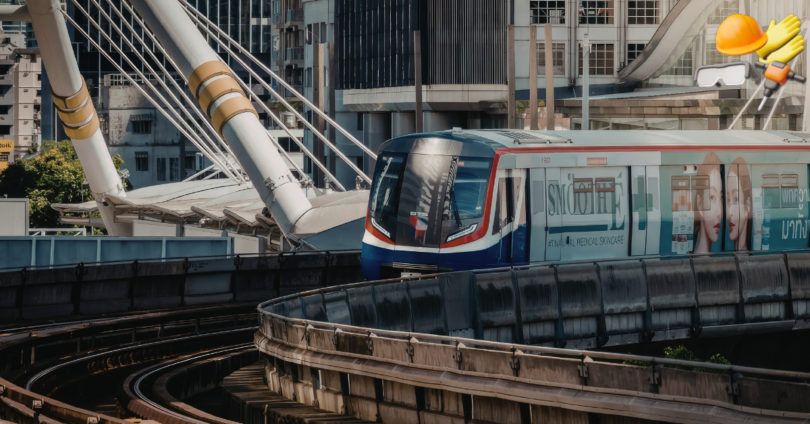
Transportation infrastructure includes roads, highways, bridges, tunnels, railways, airports, seaports, bus systems, metro systems, and walking paths. It helps people and goods move from one place to another.
Modern transportation systems are designed to reduce traffic, save time, and improve safety. Smart traffic signals, flyovers, expressways, electric buses, metro trains, and better parking systems are examples of modern transport planning.
Good transportation infrastructure also supports business growth. When goods can move quickly, companies can save money and serve customers better. Farmers can transport crops, factories can deliver products, and online businesses can manage shipping more easily.
For cities, modern transport reduces pollution by supporting public transport and electric vehicles. It also makes travel more comfortable for students, workers, tourists, and families.
Energy Infrastructure
Energy infrastructure includes power plants, electricity grids, solar systems, wind energy, transformers, transmission lines, and backup power systems. It provides electricity to homes, offices, industries, hospitals, schools, and public places.
Modern energy systems focus on reliability and clean power. Instead of depending only on traditional fuel-based power, many cities are now using renewable energy sources such as solar and wind.
Smart grids are also an important part of modern infrastructure. A smart grid uses technology to monitor electricity demand and supply. It can reduce power waste, detect faults faster, and improve energy distribution.
Reliable energy infrastructure is necessary for economic development. Without electricity, factories cannot run, offices cannot work, students cannot study properly, and hospitals cannot provide advanced treatment.
Water and Sanitation Infrastructure
Water and sanitation infrastructure includes clean water supply, pipelines, drainage systems, sewage treatment plants, wastewater recycling, and flood control systems.
This type of infrastructure is directly connected to public health. If water systems are poor, people may face diseases, water shortage, and sanitation problems. Modern water infrastructure helps provide clean drinking water and manages wastewater safely.
Drainage systems are also very important in cities. Heavy rain can cause flooding if drainage is weak. Modern drainage infrastructure helps remove rainwater quickly and protects roads, homes, and businesses from damage.
Water-saving systems, rainwater harvesting, and wastewater treatment are becoming common in modern cities. These systems help save resources and protect the environment.
Digital Infrastructure
Digital infrastructure includes internet networks, fiber optic cables, mobile towers, data centers, cloud systems, cybersecurity systems, and smart city technology.
In today’s world, digital infrastructure is as important as roads and electricity. People use the internet for education, business, banking, communication, healthcare, shopping, and entertainment.
Modern businesses cannot grow without digital systems. Online stores, digital marketing, remote work, e-learning, mobile banking, and cloud storage all depend on strong digital infrastructure.
Smart cities also use digital systems to manage traffic, security, lighting, waste collection, emergency services, and public transport. This improves city management and reduces delays.
Social Infrastructure
Social infrastructure includes schools, hospitals, universities, public parks, libraries, community centers, sports facilities, and government service buildings.
This type of infrastructure improves human development. Schools support education, hospitals protect health, parks improve lifestyle, and community centers help people connect.
Modern social infrastructure focuses on accessibility, safety, comfort, and technology. For example, a modern hospital may include digital records, advanced machines, emergency response systems, and clean energy systems.
A city with strong social infrastructure gives people better opportunities and improves overall living standards.
Housing and Urban Infrastructure
Housing and urban infrastructure includes residential buildings, apartments, town planning, street lighting, sidewalks, parking areas, public spaces, and waste management systems.
Modern housing is not only about building homes. It is about creating safe, comfortable, and well-planned communities. Good urban planning includes proper roads, drainage, green spaces, schools, markets, hospitals, and public transport access.
Smart housing projects may include energy-efficient designs, security systems, elevators, fire safety, water management, and waste recycling.
As cities grow, planned housing becomes more important. Without proper urban infrastructure, cities can face overcrowding, traffic, pollution, and poor living conditions.
How Modern Infrastructure Supports Smart Cities
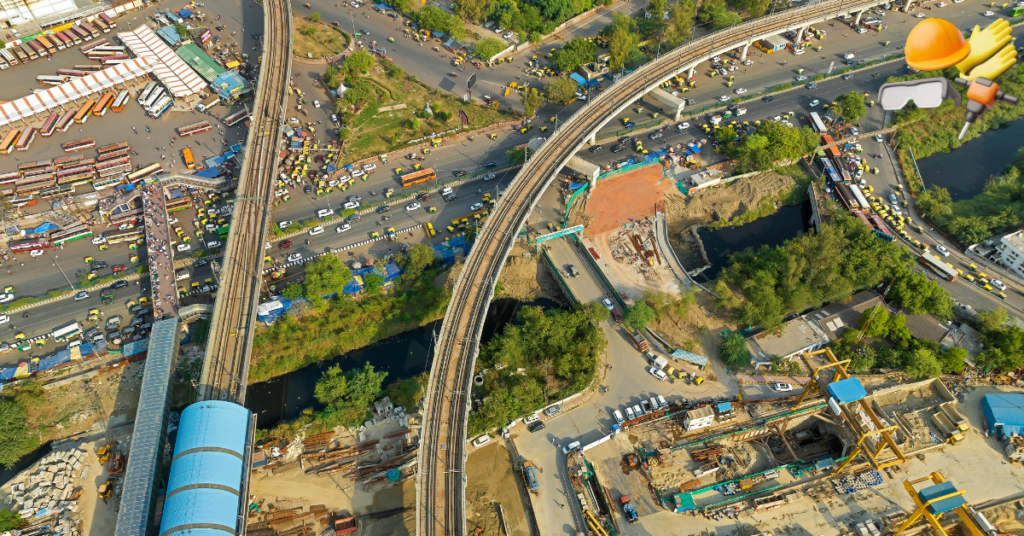
A smart city uses technology and planning to improve urban life. Modern infrastructure is the base of every smart city because smart systems need strong physical and digital networks.
For example, smart traffic lights need roads, electricity, sensors, cameras, and internet connectivity. Smart waste collection needs digital monitoring, vehicles, route planning, and proper disposal systems.
Smart cities use data to make better decisions. They can monitor traffic, electricity usage, water supply, public safety, and environmental conditions in real time. This helps city managers solve problems faster.
Modern infrastructure also makes services more convenient for citizens. People can pay bills online, track buses through mobile apps, report issues digitally, and access government services without long waiting times.
A smart city is not just a city with technology. It is a city where technology, construction, planning, and public services work together to improve quality of life.
Role of Modern Infrastructure in Economic Growth
Economic growth depends heavily on infrastructure. Countries and cities with better infrastructure attract more investment, create more jobs, and support faster business development.
When roads, electricity, ports, airports, internet, and public services are strong, businesses feel confident to invest. Factories can produce goods, shops can serve customers, logistics companies can deliver products, and digital businesses can operate smoothly.
Modern infrastructure also reduces costs. Better roads reduce fuel usage and travel time. Reliable electricity reduces the need for expensive backup power. Fast internet improves communication and productivity.
Construction of infrastructure itself also creates jobs. Engineers, architects, laborers, machine operators, suppliers, transport workers, and project managers all benefit from infrastructure projects.
Tourism also improves when infrastructure is good. Airports, hotels, roads, public transport, safety systems, and clean public spaces help attract visitors.
This is why modern infrastructure is one of the strongest drivers of long-term economic progress.
Modern Infrastructure and Environmental Sustainability
Sustainability is a major part of modern development. Old infrastructure often used resources without focusing much on pollution, waste, or energy use. Modern infrastructure tries to reduce environmental damage.
Green buildings, solar energy, rainwater harvesting, electric transport, recycling systems, and smart waste management are examples of sustainable infrastructure.
Energy-efficient buildings use less electricity. Solar panels reduce dependence on traditional power. Water recycling systems reduce waste. Public transport reduces the number of private vehicles on roads.
Modern infrastructure also helps cities prepare for climate challenges. Flood control systems, strong drainage, heat-resistant materials, and green spaces can reduce the impact of extreme weather.
Sustainable infrastructure is not only good for the environment. It also saves money in the long run. Although some systems may cost more at the beginning, they reduce maintenance, energy, and repair costs over time.
Benefits of Modern Infrastructure
Modern infrastructure provides many benefits for people, businesses, and governments.
It improves transportation by reducing travel time and traffic problems.
It supports business growth by making movement, communication, and production easier.
It improves public safety through strong buildings, better roads, fire systems, and emergency services.
It increases property value because people prefer areas with good roads, schools, hospitals, electricity, and internet.
It supports education by providing better schools, digital classrooms, and online learning access.
It improves healthcare through modern hospitals, emergency systems, and reliable power supply.
It helps protect the environment through clean energy, waste management, and green construction.
It creates jobs in construction, technology, transport, energy, and public services.
It improves the overall quality of life by making cities cleaner, safer, faster, and more comfortable.
Challenges of Modern Infrastructure
Although modern infrastructure has many benefits, it also comes with challenges.
The first challenge is high cost. Modern projects require planning, skilled workers, advanced materials, technology, and long-term maintenance. This can be expensive for governments and private developers.
The second challenge is poor planning. If infrastructure is built without proper research, it may fail to meet future needs. For example, a road may become crowded again if population growth is not considered.
The third challenge is maintenance. Building infrastructure is only the first step. Roads, bridges, water systems, digital networks, and public buildings need regular maintenance. Without maintenance, even modern systems can become weak.
The fourth challenge is environmental impact. Large projects can affect land, trees, water, and local communities if not managed carefully.
The fifth challenge is technology gaps. Smart infrastructure needs trained people, cybersecurity, software systems, and reliable internet. Without proper skills, technology may not work effectively.
The sixth challenge is corruption or low-quality materials. If projects are not monitored properly, poor construction can reduce safety and increase repair costs.
To solve these problems, governments and companies need transparent planning, expert supervision, quality control, and long-term maintenance strategies.
Common Mistakes in Infrastructure Development
One common mistake is focusing only on short-term needs. Infrastructure should be planned for future growth, not just current demand.
Another mistake is ignoring maintenance. A road, bridge, or building may look strong at first, but without regular checks, it can become unsafe.
Poor drainage planning is also a major issue. Many cities face flooding because drainage systems are not designed properly.
Another mistake is not including public transport in urban planning. If cities depend only on private vehicles, traffic and pollution increase.
Some projects also fail because they ignore local community needs. Infrastructure should serve people, not just look impressive on paper.
Using low-quality materials is another serious mistake. It may reduce initial costs, but it creates safety risks and higher repair expenses later.
Ignoring digital infrastructure is also a mistake. In the modern world, internet access and digital systems are necessary for education, business, and public services.
Expert Tips for Better Modern Infrastructure Planning
Good infrastructure starts with proper research. Planners should study population growth, traffic flow, land use, weather conditions, business needs, and future demand before starting a project.
Quality materials should always be used. Strong construction saves money in the long term and improves public safety.
Technology should be added where it improves efficiency. Smart lights, traffic sensors, CCTV, digital monitoring, and online service systems can make infrastructure more useful.
Sustainability should be part of every project. Solar energy, green spaces, water-saving systems, and waste management should not be treated as optional extras.
Public feedback is also important. People who live in an area understand daily problems better than anyone else. Their opinions can help improve project planning.
Regular maintenance should be planned from the beginning. Every project should have a maintenance budget and inspection schedule.
Finally, infrastructure should be inclusive. It should support children, elderly people, disabled people, pedestrians, cyclists, workers, businesses, and families.
Future of Modern Infrastructure
The future of modern infrastructure will be smarter, greener, and more connected. Cities will continue to use technology to manage traffic, energy, water, safety, and public services.
Electric vehicles will require more charging stations. Buildings will use more energy-saving systems. Roads may include smart sensors. Public transport will become more advanced. Digital services will become faster and more common.
Artificial intelligence may also help manage infrastructure. It can predict traffic problems, detect maintenance needs, monitor energy usage, and improve emergency response.
Green infrastructure will become more important as cities face climate challenges. More parks, trees, water systems, and eco-friendly buildings will be needed.
The future will also require stronger digital security. As cities become more connected, protecting data and systems from cyber threats will be essential.
Modern infrastructure will not only shape cities. It will shape how people live, work, travel, study, and communicate.
FAQs About Modern Infrastructure
What is modern infrastructure in simple words?
Modern infrastructure means advanced systems that support daily life, such as roads, bridges, electricity, water supply, internet, hospitals, schools, transport, and smart city technology. It focuses on safety, efficiency, sustainability, and future needs.
Why is modern infrastructure important?
It is important because it improves transportation, business growth, public safety, education, healthcare, communication, and quality of life. It also helps cities handle population growth and economic development.
What are examples of modern infrastructure?
Examples include smart roads, metro systems, solar power grids, high-speed internet, smart buildings, water treatment plants, airports, hospitals, digital government services, and smart traffic systems.
How does modern infrastructure help businesses?
It helps businesses by reducing travel time, improving delivery systems, providing reliable electricity, supporting fast internet, and creating better working conditions. This reduces costs and improves productivity.
Is digital infrastructure part of modern infrastructure?
Yes, digital infrastructure is a major part of modern infrastructure. It includes internet networks, data centers, mobile towers, cybersecurity systems, cloud technology, and smart city platforms.
How does modern infrastructure improve city life?
It improves city life by reducing traffic, improving safety, providing clean water, supporting public transport, improving healthcare, increasing job opportunities, and making public services more convenient.
What is sustainable infrastructure?
Sustainable infrastructure is designed to reduce environmental damage and save resources. It includes solar energy, green buildings, recycling systems, water-saving technology, and clean transportation.
What are the main problems in infrastructure development?
The main problems include high costs, poor planning, weak maintenance, low-quality materials, environmental damage, lack of technology skills, and corruption in project management.
Conclusion
Modern infrastructure is one of the most important parts of a strong and successful society. It supports transportation, energy, water supply, housing, education, healthcare, business, communication, and public safety. Without strong infrastructure, cities cannot grow properly and people face many daily problems.
The meaning of infrastructure has changed over time. In the past, it was mostly about roads, bridges, and buildings. Today, it also includes digital systems, smart technology, clean energy, sustainable planning, and future-ready urban design.
A city with modern infrastructure can offer better jobs, safer roads, stronger public services, cleaner environments, and improved living standards. It also attracts investment and supports long-term economic growth.
However, modern infrastructure must be planned carefully. Good planning, quality materials, expert supervision, public feedback, and regular maintenance are necessary for success. If infrastructure is built only for short-term needs, it may fail in the future.
As cities continue to grow, modern infrastructure will become even more important. Smart cities, green buildings, electric transport, clean energy, and digital systems will shape the future. Investing in modern infrastructure means investing in a safer, smarter, and more sustainable future for everyone.