
introduction
A road engineer is an important professional in the civil engineering and construction industry. Roads, highways, flyovers, streets, expressways and industrial routes are not built randomly. They need proper planning, design, material selection, site supervision, drainage work, safety control and quality checking. A road engineer manages all these things to make sure the road is safe, strong and long-lasting.
Roads are a major part of any country’s development. They connect cities, villages, markets, schools, hospitals, factories and business areas. When roads are properly designed, people travel safely and goods move faster. But when roads are poorly built, problems like cracks, potholes, waterlogging, traffic jams and accidents can increase.
This is why the role of a road engineer is very important. They work with contractors, workers, survey teams, government departments, consultants and project managers. Their job is not only to build a road but also to make sure the road follows safety rules, quality standards and approved drawings.
For construction and safety-related websites like BestSafetyEquipments.org, the topic of road engineering is also connected with personal protective equipment. Road construction sites need safety helmets, reflective jackets, safety shoes, gloves, goggles, traffic cones, barricades and warning boards. Without safety equipment, road work can become dangerous for workers and the public.
what is a road engineer?

A road engineer is a civil engineer who specializes in road construction, road design, highway work, pavement layers, drainage planning, traffic safety and road maintenance. They may work on small local roads, city streets, national highways, rural roads, industrial roads or large expressway projects.
The main purpose of a road engineer is to make sure the road is properly planned and built according to technical requirements. They study the land, soil condition, traffic load, weather conditions, road alignment and drainage system before construction starts.
A road engineer can work in different roles. Some engineers work on design in the office, while others supervise daily construction activities at the site. Some road engineers work in quality control, while others work in maintenance and repair projects.
In simple words, a road engineer is responsible for making roads safe, durable and suitable for traffic movement.
road engineer duties
The duties of a road engineer depend on the project type and company. However, most road engineers handle planning, design, construction supervision, safety management and quality control.
Their common duties include checking site surveys, reading drawings, supervising workers, checking road levels, managing construction materials, testing soil and asphalt, planning drainage and preparing daily reports.
They also coordinate with project managers, contractors, machine operators and safety officers. A good road engineer must be active on site because even a small mistake in level, slope or material quality can affect the life of the road.
Road engineers also check whether workers are following safety rules. On road projects, traffic often moves near the construction area. Because of this, proper barricading, warning signs and reflective safety gear are very important.
road planning
Road planning is the first major step in any road construction project. Before building a road, the engineer studies the project area carefully. They check land levels, soil type, traffic needs, nearby buildings, existing utilities, drainage points and environmental conditions.
Survey teams help collect data from the site. This data helps the road engineer choose the best road alignment and design. If planning is weak, the project may face problems later, such as poor drainage, extra cost, wrong slope or unsafe curves.
Good planning saves money and time. It also helps create a road that can handle traffic properly for many years.
road design
Road design is one of the most technical parts of road engineering. A road engineer designs road width, pavement thickness, slope, curves, shoulders, footpaths, dividers, drainage and safety signs.
For example, a highway needs a stronger design than a small residential road because heavy vehicles and high-speed traffic use highways. Similarly, roads in rainy areas need better drainage to prevent water damage.
Road design must also consider safety. Sharp curves, poor visibility, weak shoulders and wrong slope can increase accident risk. That is why road engineers follow proper standards while designing roads.
site supervision
Site supervision is a daily responsibility of a road engineer. During construction, the engineer checks whether work is happening according to approved drawings and specifications.
They monitor workers, machines, materials, compaction, levels, pavement layers and finishing quality. If any work is not correct, the engineer gives instructions to fix it before the next stage begins.
Site supervision is important because road construction has many layers. If the lower layer is weak, the top layer can fail quickly. A responsible road engineer checks every stage carefully.
quality control
Quality control helps increase the life of a road. A road engineer checks the quality of soil, aggregate, bitumen, asphalt, concrete and other materials used in construction.
They also check compaction, asphalt temperature, pavement thickness, surface level and drainage slope. Many projects also have laboratory testing for materials. These tests help confirm whether materials meet project standards.
If poor-quality material is used, the road may develop cracks, potholes and uneven surfaces. Good quality control reduces repair costs and improves public safety.
road construction materials
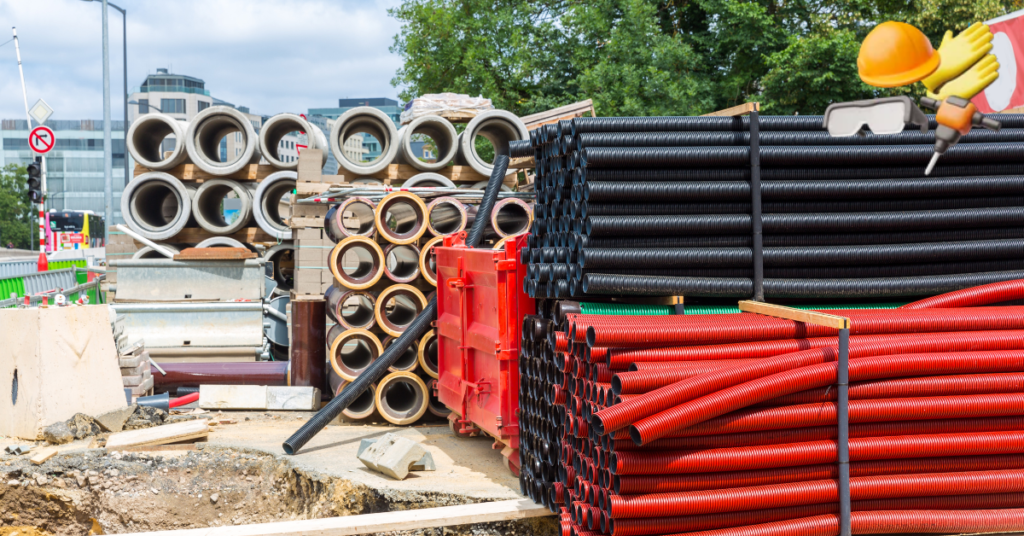
Road construction uses many materials. The main materials include soil, aggregate, sand, cement, concrete, bitumen, asphalt and steel. Each material has its own purpose.
Soil is used for the foundation or subgrade. Aggregate is used in base layers to provide strength. Bitumen and asphalt are used for flexible road surfaces. Concrete is used in rigid pavement, drains, culverts and some road structures.
A road engineer must understand material behavior. They need to know which material is suitable for which layer. They also check whether the material is clean, strong and properly graded.
road construction layers
A road is not only a top surface. It is made of multiple layers that support traffic load.
The first layer is the subgrade. This is the natural soil layer below the road. It must be properly compacted.
The second layer is the sub-base. It improves strength and drainage.
The third layer is the base course. This layer gives strong support to the road.
The upper layers may include binder course and wearing course. The wearing course is the top surface where vehicles move.
A road engineer checks every layer carefully because each layer affects the strength and life of the road.
drainage work
Drainage is very important in road construction. Water is one of the biggest reasons behind road damage. If rainwater stays on the road surface or enters the lower layers, it can weaken the pavement and create potholes.
Road engineers design side drains, culverts, slopes and water outlets to remove water properly. A good drainage system protects the road from early damage.
In many road projects, poor drainage causes more problems than poor traffic load. That is why drainage planning should never be ignored.
traffic safety
Road construction sites are risky because vehicles may pass close to workers. A road engineer helps manage traffic safety by planning diversions, placing cones, installing warning boards and using barricades.
Night work needs extra safety because visibility is low. Reflective jackets, road lights, blinkers and warning signs are very important during night construction.
Traffic safety protects workers, drivers and pedestrians. A well-managed site reduces accidents and keeps work smooth.
safety equipment

Safety equipment is a major part of road construction. Workers and engineers should use PPE to reduce injury risks.
Common road construction safety equipment includes:
- safety helmet
- reflective safety jacket
- safety shoes
- safety gloves
- safety goggles
- dust mask
- ear protection
- traffic cones
- barricades
- warning boards
- safety lights
- first aid kit
A road engineer should ensure that workers are wearing proper PPE before starting work. Reflective jackets are especially important because road workers need to be visible to drivers.
skills needed
A successful road engineer needs both technical and practical skills. They should understand civil engineering basics, road design, pavement layers, soil testing, drainage, surveying and quality control.
They also need drawing reading skills because road projects use plans, cross-sections, levels and technical drawings.
Communication skills are also important. A road engineer talks with workers, contractors, clients, managers and safety teams. Clear communication helps prevent mistakes.
Problem-solving ability is another important skill. Road projects often face rain delays, soil issues, traffic problems, material shortage and machinery breakdowns. A good engineer handles these problems calmly and practically.
qualification
To become a road engineer, a person usually needs a diploma or degree in civil engineering. Common qualifications include Diploma in Civil Engineering, B.Tech Civil Engineering, Bachelor of Civil Engineering or M.Tech in Transportation Engineering.
Fresh engineers can start as trainee engineers, junior site engineers or assistant road engineers. With experience, they can become road engineers, highway engineers, project engineers, quality engineers or project managers.
Practical site experience is very valuable in this field. Software knowledge like AutoCAD, Civil 3D and Excel can also help in career growth.
career scope
The career scope of a road engineer is strong because infrastructure development is increasing in many areas. Roads are needed for cities, villages, industries, airports, housing societies, commercial areas and highways.
Road engineers can work in construction companies, government departments, municipal corporations, highway projects, infrastructure firms, consultancy companies and road maintenance departments.
With experience, they can move into senior roles such as project engineer, highway engineer, quality control engineer, construction manager or transportation consultant.
salary
Road engineer salary depends on qualification, experience, location, company and project size. Fresh engineers usually start with junior roles. After gaining experience, they can earn better salaries in highway projects, government contracts and large infrastructure companies.
Engineers with strong site experience, safety knowledge, software skills and project management ability usually get better opportunities.
FAQS
what does a road engineer do?
A road engineer plans, designs, supervises and manages road construction projects. They check road levels, pavement layers, drainage, materials, safety and quality.
is road engineer a civil engineer?
Yes, a road engineer is usually a civil engineer who specializes in roads, highways, pavements, drainage and transportation infrastructure.
what qualification is required for road engineer?
A diploma or degree in civil engineering is usually required. Higher studies in highway engineering or transportation engineering can improve career opportunities.
what skills are important for road engineer?
Important skills include road design knowledge, site supervision, drawing reading, surveying, quality control, safety awareness, communication and problem-solving.
what safety equipment is used in road construction?
Common safety equipment includes safety helmets, reflective jackets, safety shoes, gloves, goggles, dust masks, traffic cones, barricades and warning boards.
why is drainage important in road construction?
Drainage is important because water can damage road layers and create potholes. Proper drainage helps roads last longer and stay safer.
what is the difference between road engineer and site engineer?
A site engineer can work on buildings, bridges or other construction projects. A road engineer mainly focuses on roads, highways, pavement layers, drainage and traffic safety.
is road engineering a good career?
Yes, road engineering is a good career because road and highway construction projects are increasing. It offers jobs in private companies, government projects and infrastructure firms.
conclusion
A road engineer plays a key role in building safe, strong and long-lasting roads. Their work includes planning, design, site supervision, material checking, quality control, drainage planning, traffic safety and maintenance. Without proper road engineering, roads can become weak, unsafe and expensive to repair.
Road construction is not only about laying asphalt or concrete. It needs proper technical knowledge, site experience and safety awareness. A good road engineer makes sure every road layer is built correctly and every worker follows safety rules.
For BestSafetyEquipments.org, this topic is highly relevant because road construction depends heavily on safety equipment. Helmets, reflective jackets, safety shoes, gloves, goggles, cones, barricades and warning signs help protect workers and the public. A successful road project needs both good engineering and proper safety equipment.
of this, proper barricading, warning signs and reflective safety gear are very important.