
Introduction
Engineers are professionals who design, build, test, improve, and maintain systems, machines, buildings, roads, software, electrical networks, and many other things that people use every day. From construction sites to factories, from bridges to power plants, and from computer systems to safety equipment, engineers play a major role in modern life.
In simple words, engineers solve practical problems. They use science, mathematics, technology, and real-world experience to create safe, useful, and reliable solutions. Whether it is a civil engineer working on a building project or a mechanical engineer designing machinery, their work directly affects safety, quality, and performance.
For a safety-focused website like BestSafetyEquipments.org, understanding the role of engineers is important because engineers often work in environments where helmets, safety shoes, gloves, reflective jackets, eye protection, and other PPE are necessary.
Who Are Engineers?
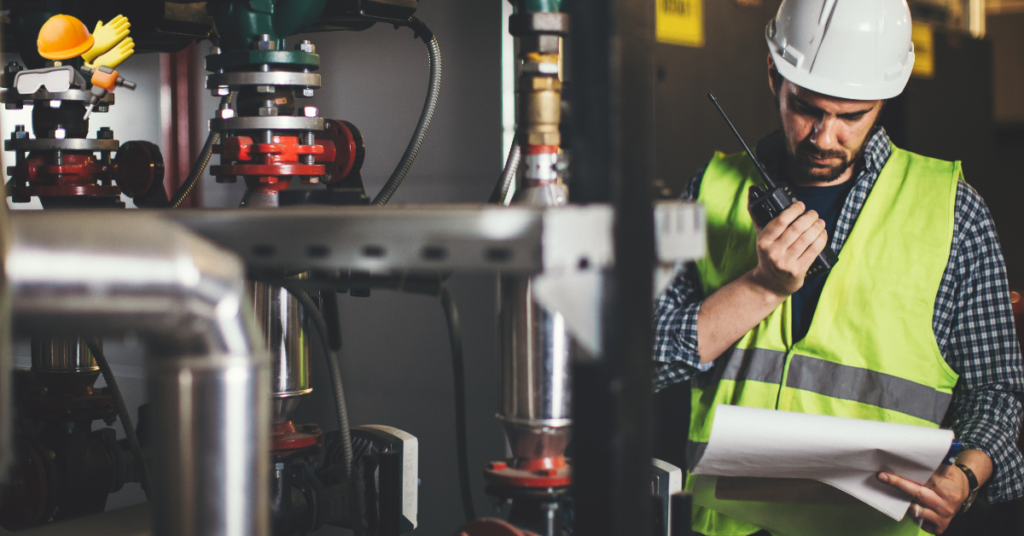
Engineers are trained professionals who apply technical knowledge to solve problems. Their work can include designing products, supervising construction, improving machines, checking safety standards, managing projects, and finding better ways to complete tasks.
An engineer may work in offices, laboratories, construction sites, factories, workshops, power plants, roads, railways, or industrial areas. Their daily duties depend on their field and job role.
For example, a civil engineer may inspect a building site, while an electrical engineer may check wiring systems. A safety engineer may inspect workplace hazards and recommend proper protective equipment.
Importance of Engineers in Society

Engineers are important because they help build and improve the world around us. Roads, bridges, schools, hospitals, machines, mobile phones, water systems, and electricity networks are all connected to engineering work.
Without engineers, modern infrastructure and industrial development would be very difficult. They make sure that designs are practical, materials are suitable, and work is completed safely.
In industries such as construction, manufacturing, oil and gas, mining, and transportation, engineers also help reduce accidents by following safety rules and using proper protective systems.
Major Types of Engineers
Civil Engineers
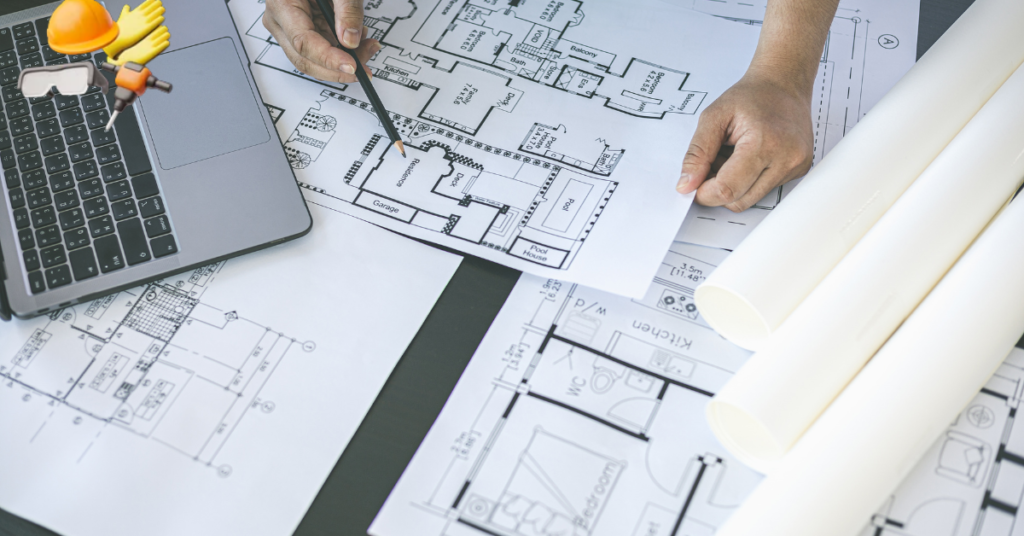
Civil engineers design and supervise construction projects such as buildings, roads, bridges, dams, tunnels, drainage systems, and airports. They check soil, materials, structure, safety, and design quality.
Civil engineers often work on construction sites, so they need safety helmets, safety shoes, reflective jackets, gloves, and sometimes eye protection.
Mechanical Engineers
Mechanical engineers work with machines, engines, tools, manufacturing systems, and mechanical equipment. They design, test, repair, and improve mechanical systems.
They may work in factories, workshops, production plants, or design offices. In industrial areas, mechanical engineers often need PPE such as gloves, safety glasses, helmets, and protective footwear.
Electrical Engineers
Electrical engineers deal with power systems, wiring, circuits, electrical machines, generators, transformers, and control systems. Their work is important in buildings, factories, power plants, and electrical networks.
Because electrical work can be risky, electrical engineers must follow safety standards and use insulated gloves, safety shoes, protective tools, and other electrical safety equipment.
Software Engineers
Software engineers design and develop computer programs, websites, mobile apps, systems, and digital tools. They usually work in offices or remote environments.
Their physical safety risks are lower than site-based engineers, but they still need good workplace ergonomics, proper seating, screen protection, and healthy working habits.
Chemical Engineers
Chemical engineers work with chemicals, production processes, fuels, medicines, food processing, and industrial materials. They are often employed in factories, labs, oil refineries, and chemical plants.
They may need protective gloves, lab coats, face shields, goggles, respirators, and chemical-resistant safety equipment.
Safety Engineers
Safety engineers focus on reducing workplace risks. They inspect work areas, identify hazards, prepare safety plans, train workers, and recommend PPE.
For BestSafetyEquipments.org, safety engineers are especially important because they directly connect engineering work with personal protective equipment and accident prevention.
Main Responsibilities of Engineers
Engineers usually handle technical and practical responsibilities. Their tasks may include:
Designing systems, structures, or machines.
Testing materials, products, and equipment.
Supervising workers and project teams.
Checking safety standards and quality control.
Solving technical problems.
Preparing reports and drawings.
Managing project timelines and costs.
Improving existing systems.
Ensuring legal and safety compliance.
The exact duties depend on the engineering field, but problem-solving and safety are common in almost every engineering role.
Key Skills Every Engineer Needs
Technical Knowledge
Engineers need strong technical understanding related to their field. Civil engineers need construction knowledge, electrical engineers need circuit knowledge, and mechanical engineers need machine knowledge.
Problem-Solving Skills
Engineering is mostly about solving problems. Engineers must find practical solutions when designs fail, machines stop working, or site conditions change.
Communication Skills
Engineers must communicate with workers, managers, clients, contractors, and other professionals. Clear communication helps avoid mistakes and safety issues.
Safety Awareness
Every engineer should understand workplace safety. A small mistake on a construction site, factory floor, or electrical system can cause serious accidents.
Teamwork
Most engineering projects require teamwork. Engineers work with technicians, laborers, architects, supervisors, safety officers, and project managers.
Why Safety Is Important for Engineers
Safety is extremely important for engineers because many engineers work in risky environments. Construction sites, factories, electrical areas, chemical plants, and industrial workshops can have hazards such as falling objects, sharp tools, heavy machinery, chemicals, fire, electricity, and slippery surfaces.
Proper safety planning protects engineers and workers from injuries. It also helps companies avoid delays, legal problems, and financial losses.
An engineer who understands safety can complete work more professionally and responsibly.
Essential Safety Equipment for Engineers
Safety Helmet
A safety helmet protects the head from falling objects, bumps, and site hazards. Civil engineers and site engineers should wear helmets on construction sites.
Safety Shoes
Safety shoes protect feet from heavy objects, sharp materials, slippery floors, and electrical risks. Engineers working in construction, factories, and workshops should use proper safety footwear.
Reflective Jacket
Reflective jackets help engineers remain visible on roads, construction sites, and low-light areas. They are especially useful for road engineers and site supervisors.
Safety Gloves
Gloves protect hands from cuts, heat, chemicals, electric shock, and rough materials. Different jobs require different types of gloves.
Safety Goggles
Safety goggles protect eyes from dust, sparks, chemicals, and flying particles. Mechanical, chemical, and construction engineers often need eye protection.
Ear Protection
In noisy factories or construction zones, earplugs or earmuffs help protect hearing.
Face Shield
Face shields are useful when engineers are exposed to sparks, chemicals, grinding work, or splashing materials.
Engineers in Construction Safety
Construction engineers and civil engineers play a major role in site safety. They check whether workers are following safety rules, whether materials are placed correctly, and whether the structure is being built according to approved drawings.
They also help prevent accidents by ensuring safe scaffolding, proper machinery use, clear walkways, and correct PPE use.
For example, if workers are operating at height, engineers must make sure safety belts, guardrails, helmets, and fall protection systems are used properly.
Engineers in Industrial Safety
Industrial engineers and mechanical engineers work in factories and production plants. Their safety responsibilities include checking machines, reducing process risks, improving workflow, and preventing injuries.
They may also help design safer machine layouts, emergency exits, warning signs, and maintenance plans.
In industrial settings, engineers should understand machine guarding, lockout/tagout systems, fire safety, and PPE requirements.
Engineers and Workplace Risk Management
Risk management means identifying possible dangers before they cause harm. Engineers are trained to look at a system and ask: What can go wrong? How serious can it be? How can we prevent it?
This approach helps reduce accidents. A safety engineer may inspect a site and recommend helmets, barricades, warning signs, gloves, or training. A civil engineer may check if a structure is strong enough. An electrical engineer may check if wiring is properly insulated.
Good risk management saves lives and protects property.
Career Opportunities for Engineers
Engineering offers many career opportunities in India and around the world. Engineers can work in government departments, private companies, construction firms, manufacturing industries, software companies, energy companies, and consulting firms.
Common job roles include:
Site Engineer
Project Engineer
Safety Engineer
Design Engineer
Quality Engineer
Maintenance Engineer
Production Engineer
Electrical Engineer
Civil Engineer
Mechanical Engineer
Planning Engineer
With experience, engineers can become senior engineers, project managers, consultants, or business owners.
How to Become an Engineer
To become an engineer, a student usually completes an engineering diploma or degree. In India and many other countries, common qualifications include Diploma in Engineering, B.Tech, B.E., M.Tech, or related technical certifications.
Students should choose a branch based on their interest. For example, those interested in buildings and roads can choose civil engineering. Those interested in machines can choose mechanical engineering. Those interested in coding can choose software engineering.
Practical training, internships, and site experience are also very important.
Common Challenges Faced by Engineers
Engineers face many challenges in their careers. These may include tight deadlines, site pressure, budget limits, safety risks, technical errors, weather problems, labor management, and client expectations.
A good engineer stays calm, follows proper planning, and solves problems step by step. Safety should never be ignored, even when work pressure is high.
Best Safety Practices for Engineers
Engineers should always follow workplace safety rules. Before entering a site or industrial area, they should wear required PPE. They should inspect tools, machinery, and work areas before starting tasks.
They should also report unsafe conditions, guide workers, follow company safety policies, and attend safety training when required.
A professional engineer does not only focus on completing the job. A professional engineer completes the job safely.
FAQs
An engineer is a trained professional who uses science, mathematics, and technical knowledge to design, build, improve, and maintain systems, machines, structures, or products.
What are the main types of engineers?
The main types include civil engineers, mechanical engineers, electrical engineers, software engineers, chemical engineers, industrial engineers, and safety engineers.
Why is safety important for engineers?
Safety is important because many engineers work in risky environments such as construction sites, factories, electrical areas, and chemical plants. Proper safety reduces accidents and injuries.
What safety equipment do engineers need?
Engineers may need safety helmets, safety shoes, reflective jackets, gloves, goggles, ear protection, face shields, and other PPE depending on their work area.
Which engineer works on construction sites?
Civil engineers, site engineers, structural engineers, and safety engineers commonly work on construction sites.
Is engineering a good career?
Yes, engineering is a strong career option because it offers opportunities in construction, technology, manufacturing, energy, infrastructure, software, and many other industries.
Conclusion
Engineers are one of the most important professionals in modern society. They design, build, improve, and maintain the systems and structures people depend on every day. From roads and buildings to machines, software, power systems, and safety processes, engineers play a key role in progress and development.
At the same time, safety is a major part of engineering. Many engineers work in environments where hazards are common, so using proper safety equipment is not optional. Helmets, safety shoes, gloves, goggles, reflective jackets, and other PPE help protect engineers and workers from accidents.
For any professional engineer, technical skill and safety awareness should go together. A successful engineer is not only someone who completes a project but someone who completes it safely, correctly, and responsibly.