

Introduction
The construction industry is rapidly changing with the use of advanced digital technologies. Modern building projects require better planning, accurate designs, improved teamwork, and efficient project management. This is where a BIM Engineer plays an important role by using Building Information Modeling BIM technology to create, manage, and analyze digital models of buildings and infrastructure projects.
A BIM Engineer helps architects, engineers, contractors, and construction teams work together by creating detailed 3D models that contain important project information. These models improve accuracy, reduce errors, and help teams complete projects more safely and efficiently.
With the increasing demand for smart construction and digital transformation, BIM Engineers have become an essential part of the architecture, engineering, and construction (AEC) industry.
This guide explains the meaning of a BIM Engineer, their responsibilities, required skills, software knowledge, career opportunities, and their connection with construction safety.
What Is a BIM Engineer?
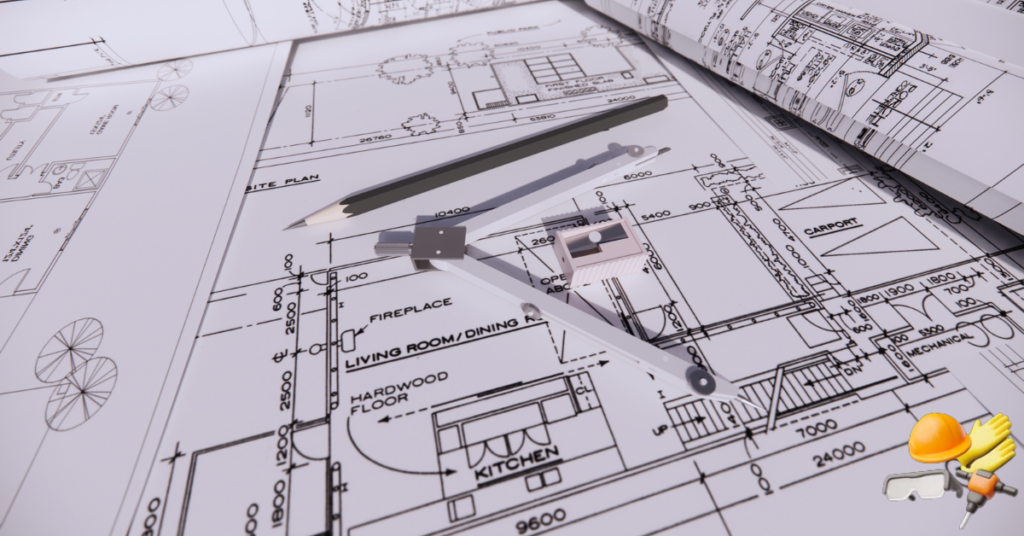
A BIM Engineer is a construction technology professional who specializes in Building Information Modeling (BIM). They create and manage digital representations of buildings, structures, and infrastructure projects using advanced software tools.
Unlike traditional 2D drawings, BIM models provide detailed information about different building components, including materials, dimensions, systems, and project data.
A BIM Engineer works closely with:
- Architects
- Civil engineers
- Structural engineers
- Mechanical engineers
- Electrical engineers
- Contractors
- Project managers
Their main goal is to improve project coordination, reduce design conflicts, and support better decision-making throughout the construction process.
What Is Building Information Modeling BIM?
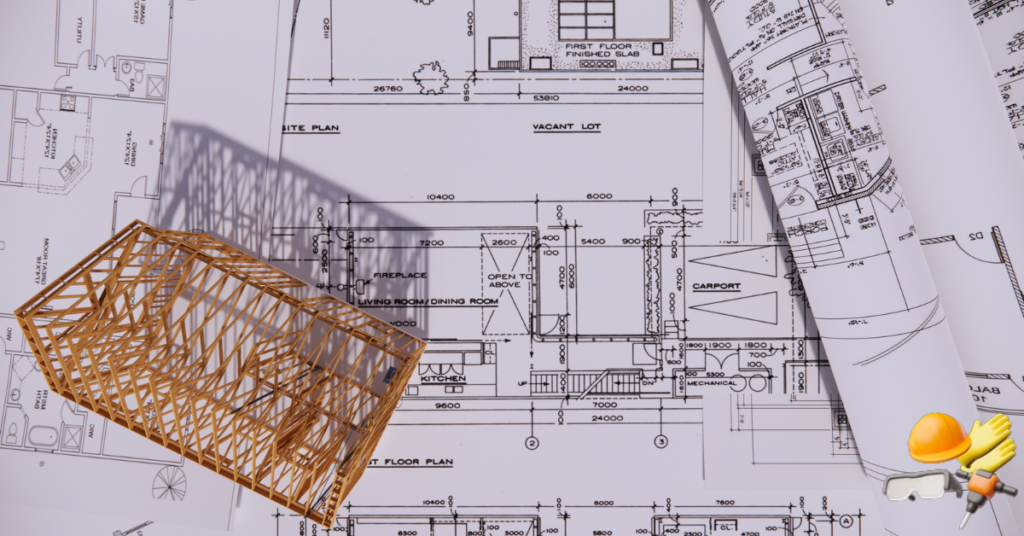
Building Information Modeling (BIM) is a digital process used to plan, design, construct, and manage buildings and infrastructure projects.
BIM creates a detailed 3D model that includes information about:
- Building structure
- Materials
- Mechanical systems
- Electrical systems
- Plumbing systems
- Construction schedules
- Project costs
BIM technology allows different teams to collaborate on the same project model, making construction processes more organized and efficient.
Role of a BIM Engineer in Construction Projects
A BIM Engineer plays a key role throughout the lifecycle of a construction project. Their work begins during the design stage and continues through construction and maintenance.
Creating Digital Building Models
One of the primary responsibilities of a BIM Engineer is developing accurate 3D models of buildings and infrastructure projects.
These models help teams visualize the final structure before construction begins.
Improving Project Coordination
Construction projects involve multiple teams working together. BIM Engineers ensure that architectural, structural, and mechanical designs work properly together.
They identify conflicts between different systems before construction starts.
Supporting Construction Planning
BIM models help project teams understand construction sequences, timelines, and resource requirements.
This improves planning and reduces delays.
Managing Project Information
BIM Engineers organize and manage project data to ensure that all teams have access to updated information.
Accurate data management helps avoid mistakes during construction.
Responsibilities of a BIM Engineer
The responsibilities of a BIM Engineer may vary depending on the project and organization. Common duties include:
Developing BIM Models
Creating detailed digital models using BIM software according to project requirements.
Performing Clash Detection
BIM Engineers analyze models to identify design conflicts between different systems, such as electrical, plumbing, and structural elements.
Collaborating With Project Teams
They coordinate with architects, engineers, contractors, and clients to ensure smooth project execution.
Preparing Construction Documentation
BIM Engineers help create drawings, reports, and documentation required for construction activities.
Maintaining BIM Standards
They ensure that BIM models follow company standards and industry requirements.
Updating Project Information
During construction, BIM Engineers update models according to project changes and site conditions.
Important Skills Required for a BIM Engineer

A successful BIM Engineer needs a combination of technical knowledge and communication skills.
1. BIM Software Knowledge
A BIM Engineer should understand popular BIM tools such as:
- Autodesk Revit
- Navisworks
- AutoCAD
- Civil 3D
- BIM 360
- Tekla Structures
Software knowledge helps professionals create accurate models and manage construction information.
2. Understanding of Construction Principles
BIM Engineers should have knowledge of:
- Building design
- Structural systems
- Construction methods
- Engineering concepts
- Project workflows
This helps them create practical and accurate models.
3. Problem-Solving Skills
Construction projects often involve design challenges. BIM Engineers must analyze problems and find effective solutions.
4. Communication Skills
Since BIM Engineers work with different teams, good communication skills are essential for successful project coordination.
5. Attention to Detail
Small design errors can create major construction problems. BIM Engineers must carefully review models and project data.
BIM Engineer Software and Tools
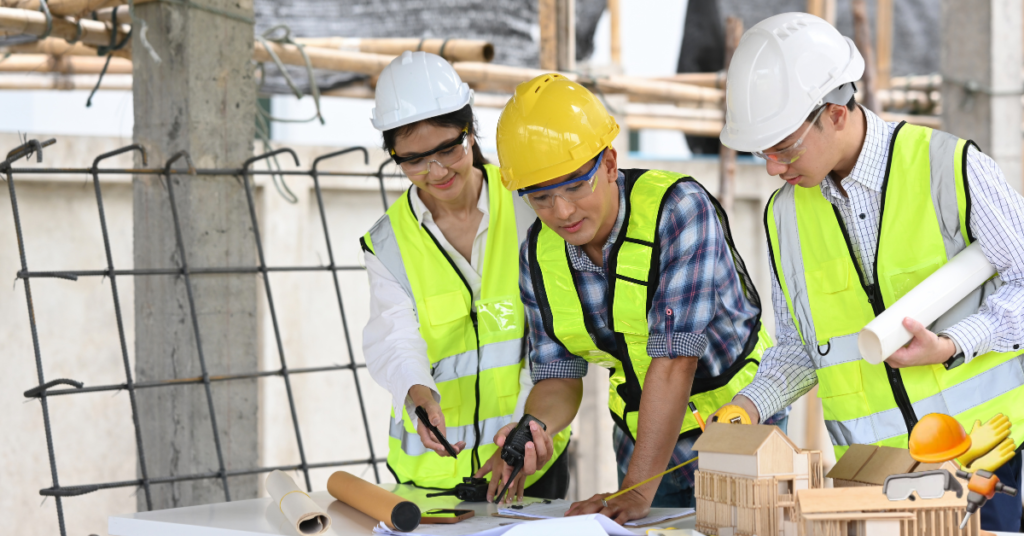
Technology plays a major role in BIM engineering. Common software used by BIM professionals includes:
Autodesk Revit
Revit is one of the most popular BIM platforms used for creating detailed architectural, structural, and MEP models.
Navisworks
Navisworks helps with model coordination, project review, and clash detection.
AutoCAD
AutoCAD is widely used for technical drawings and design documentation.
Tekla Structures
Tekla is commonly used for detailed structural modeling and steel construction projects.
BIM Collaboration Platforms
Platforms such as BIM 360 help teams share project information and improve collaboration.
BIM Engineer and Construction Safety
A BIM Engineer also contributes to improving construction safety. Digital modeling helps teams identify potential risks before work begins.
BIM technology supports safety by:
- Identifying construction hazards
- Improving site planning
- Reducing design conflicts
- Planning safer construction sequences
- Improving communication between teams
For example, BIM models can help construction teams understand complex structures and identify areas where additional safety measures may be required.
Safety equipment such as helmets, protective gloves, safety shoes, and high-visibility clothing remains essential for workers on construction sites.
Benefits of BIM Engineering in Construction
BIM technology provides many advantages for modern construction projects.
Reduces Construction Errors
Accurate digital models help identify problems before physical construction begins.
Saves Time and Cost
Better planning reduces delays, material waste, and unnecessary expenses.
Improves Collaboration
Different project teams can work together using shared digital information.
Enhances Project Quality
Detailed models improve accuracy and help deliver better construction results.
Supports Sustainable Construction
BIM helps optimize materials, energy usage, and building performance.
Career Opportunities for BIM Engineers
The demand for BIM professionals is increasing worldwide due to the growth of digital construction.
BIM Engineers can work in industries such as:
- Construction companies
- Architecture firms
- Engineering consultancies
- Infrastructure projects
- Real estate development
- Government construction projects
Common job roles include:
- BIM Modeler
- BIM Coordinator
- BIM Specialist
- BIM Manager
- Digital Construction Engineer
How to Become a BIM Engineer
To become a BIM Engineer, candidates usually need:
Educational Background
A degree or diploma in fields such as:
- Civil Engineering
- Architecture
- Structural Engineering
- Mechanical Engineering
BIM Training
Professional BIM courses help candidates learn software tools and industry practices.
Practical Experience
Working on real construction projects improves technical skills and understanding.
Certifications
BIM certifications can increase career opportunities and professional credibility.
Future of BIM Engineering
The future of BIM engineering is closely connected with smart construction technologies. As construction projects become more complex, companies will continue to require professionals who can manage digital building information.
Future trends include:
- Artificial intelligence in construction
- Digital twins
- Smart buildings
- Automated project management
- Advanced safety planning
BIM Engineers will continue to play an important role in creating efficient, safe, and sustainable structures.
FAQs
What does a BIM Engineer do?
A BIM Engineer creates and manages digital building models, coordinates project information, identifies design conflicts, and supports construction planning.
What software does a BIM Engineer use?
Common BIM software includes Autodesk Revit, Navisworks, AutoCAD, Civil 3D, and Tekla Structures.
Is BIM Engineering important in construction?
Yes, BIM Engineering improves project accuracy, reduces errors, enhances collaboration, and supports safer construction practices.
What qualifications are needed to become a BIM Engineer?
A background in civil engineering, architecture, structural engineering, or related fields along with BIM software training is helpful.
How does BIM improve construction safety?
BIM helps identify potential risks, improve planning, and create safer construction processes before physical work begins.
What is the difference between a BIM Engineer and a BIM Modeler?
A BIM Modeler mainly focuses on creating models, while a BIM Engineer handles coordination, analysis, project information, and technical decision-making.
Conclusion
A BIM Engineer is an important professional in the modern construction industry who uses digital modeling technology to improve project planning, coordination, and execution. By creating accurate 3D models and managing construction information, BIM Engineers help reduce errors, save resources, and improve overall project quality.
As the construction industry continues to adopt digital solutions, the demand for skilled BIM professionals will continue to grow. Their role in improving efficiency, sustainability, and construction safety makes them a valuable part of future building and infrastructure projects.