
Introduction
Safety shoes for men are protective footwear designed to reduce foot injuries at work by protecting against impact, compression, slips, punctures, electrical hazards, heat, chemicals, and rough surfaces. They are commonly used in construction, factories, warehouses, workshops, logistics, electrical work, mechanical jobs, and outdoor industrial environments.
Choosing the right pair is not only about buying strong-looking boots. The correct footwear should match your job risks, fit your feet properly, support long working hours, and meet relevant safety standards. A worker who stands all day on concrete needs comfort and shock absorption, while an electrician may need electrical hazard protection. A construction worker may need steel toe or composite toe protection with puncture-resistant soles.
This guide explains safety shoes for men in a simple and practical way. You will learn what they are, why they matter, how they work, how to choose them, common mistakes to avoid, and what features to check before buying.
Quick Answer
Safety shoes for men are special work shoes made to protect feet from job-related hazards such as falling objects, sharp materials, slippery floors, electrical contact, and heavy equipment. The best pair depends on your workplace, comfort needs, toe protection type, sole grip, material quality, and safety certification.
For most workers, a good pair should include a protective toe cap, slip-resistant outsole, comfortable insole, strong upper material, proper arch support, and the right size.
What Are Safety Shoes for Men?
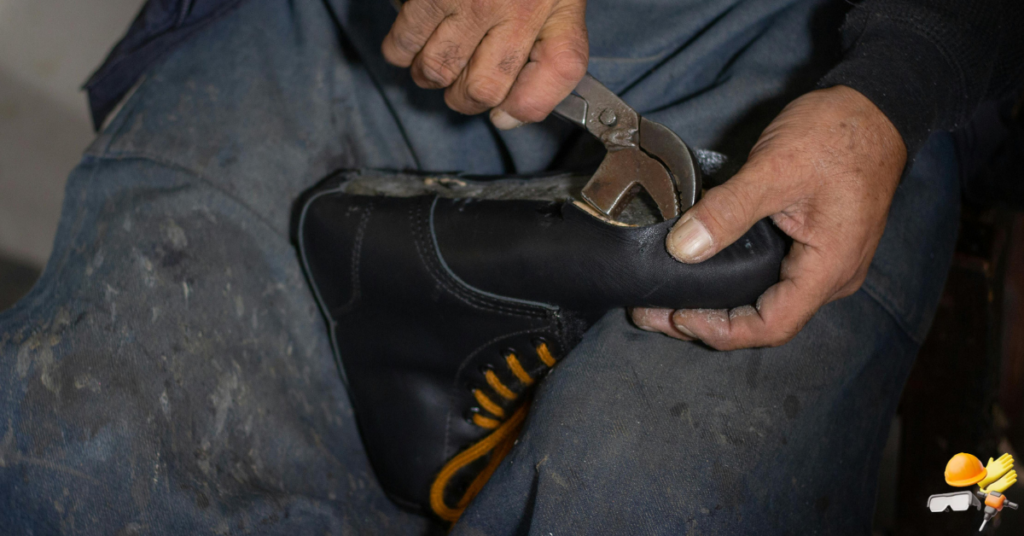
Safety shoes for men are protective work shoes made with reinforced materials and safety features. Unlike regular shoes, they are built for workplaces where foot injuries are possible.
They may include steel toe caps, composite toe caps, puncture-resistant midsoles, anti-slip soles, waterproof uppers, electrical hazard protection, heat resistance, and ankle support. Some are designed like boots, while others look more like sneakers.
The main purpose is simple: protect the feet while keeping the worker comfortable enough to move, stand, walk, bend, and work for long hours.
For example, a warehouse worker may need lightweight safety trainers with slip resistance. A construction worker may need ankle boots with toe protection and puncture-resistant soles. A mechanic may need oil-resistant soles and durable leather uppers.
Why Are Safety Shoes for Men Important?
Safety shoes for men are important because foot injuries can happen quickly and often lead to pain, lost work time, and medical costs. In many workplaces, feet are exposed to heavy tools, sharp nails, wet floors, hot surfaces, chemicals, and electrical risks.
A normal shoe may look comfortable, but it cannot provide enough protection in industrial environments. A falling object can crush toes. A sharp object can pass through a weak sole. A wet floor can cause slips. Poor support can also create long-term foot, knee, or back discomfort.
Protective footwear helps reduce these risks. It also supports workplace safety policies and gives workers more confidence while doing physical tasks.
For employers, proper footwear can help improve safety compliance. For workers, it can make daily work safer, more comfortable, and more productive.
How Do Safety Shoes for Men Work?
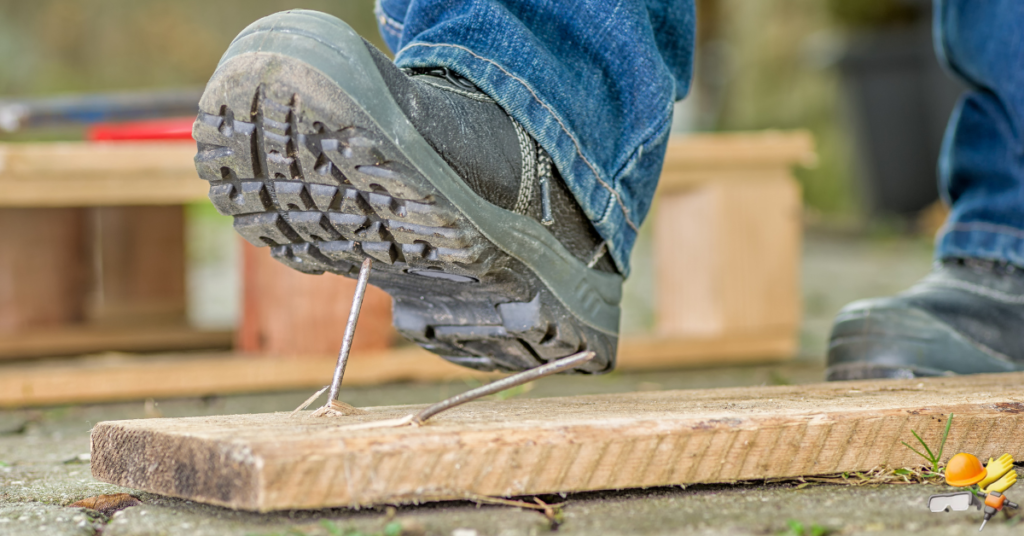
Safety shoes for men work by adding protective layers and design features that reduce specific hazards. Each part of the shoe has a role.
The toe cap protects the front of the foot from impact and compression. Steel toe caps are strong and common, while composite toe caps are lighter and do not conduct electricity like metal.
The outsole provides grip on different surfaces. Slip-resistant soles are useful on wet, oily, or dusty floors. Deep tread patterns can help in outdoor or construction areas.
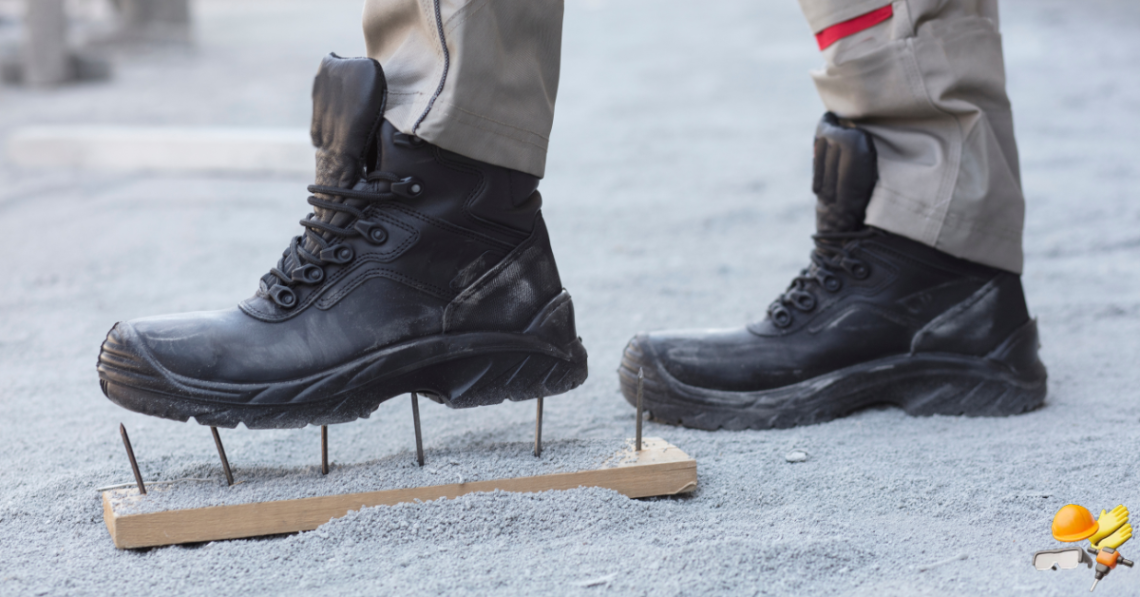
The midsole may include puncture resistance. This helps protect against nails, glass, metal pieces, and sharp debris.
The upper material protects the top and sides of the foot. Leather is durable and often used in industrial shoes. Synthetic materials can be lighter and more breathable.
The insole and cushioning reduce pressure during long shifts. This is important for workers who stand or walk for many hours.
Step-by-Step Guide to Choosing Safety Shoes for Men
Step 1: Identify Your Workplace Hazards
Before buying safety shoes for men, first understand your job risks. Do you work around heavy objects, sharp materials, electricity, chemicals, water, heat, or slippery floors?
A construction worker may need toe protection, puncture resistance, and ankle support. A warehouse worker may need slip resistance and lightweight comfort. An electrician may need electrical hazard protection. A kitchen or cleaning worker may need water resistance and strong grip.
Never choose footwear only because it looks stylish. Choose it according to your work environment.
Step 2: Choose the Right Toe Protection
Toe protection is one of the most important features. The common options are steel toe, composite toe, and alloy toe.
Steel toe shoes are strong and often more affordable. Composite toe shoes are lighter and better for workers who want non-metallic protection. Alloy toe shoes are usually lighter than steel but still strong.
If your job involves heavy tools, machinery, or falling objects, toe protection is very important.
Step 3: Check the Sole Type
The sole should match your work surface. For wet or oily floors, slip-resistant soles are important. For construction sites, puncture-resistant soles can protect against sharp objects. For outdoor jobs, deep tread soles can provide better traction.
A weak outsole can wear out quickly, reduce grip, and increase risk. Always check the outsole design before buying.
Step 4: Focus on Comfort and Fit
Comfort is not a luxury in work footwear. It is a safety feature. If your shoes are too tight, they can cause pain and distraction. If they are too loose, they can increase the risk of trips and blisters.
Try to leave enough space for your toes, but avoid a loose heel. Wear the same type of socks you use at work when checking fit. If you work long shifts, choose cushioned insoles and good arch support.
Step 5: Choose the Right Material
Leather is strong, durable, and suitable for many industrial jobs. Waterproof materials are useful for wet conditions. Breathable mesh or textile panels may be better for indoor work where heat and sweating are common.
The best material depends on your workplace. Heavy-duty jobs usually need stronger materials, while light industrial jobs may allow lighter designs.
Step 6: Check Safety Standards
Good safety shoes for men should follow recognized safety standards where required. Standards help confirm that the footwear has been tested for specific protective features.
Look for markings or product details that mention toe protection, puncture resistance, electrical hazard protection, slip resistance, or other relevant safety features. If your employer requires a specific standard, follow that requirement.
Step 7: Compare Weight and Flexibility
Heavy shoes may feel protective, but they can cause tiredness during long shifts. Lightweight shoes are easier to wear, but they must still provide the required protection.
Try to balance protection, comfort, and flexibility. A good pair should protect your feet without making movement difficult.
Benefits of Safety Shoes for Men
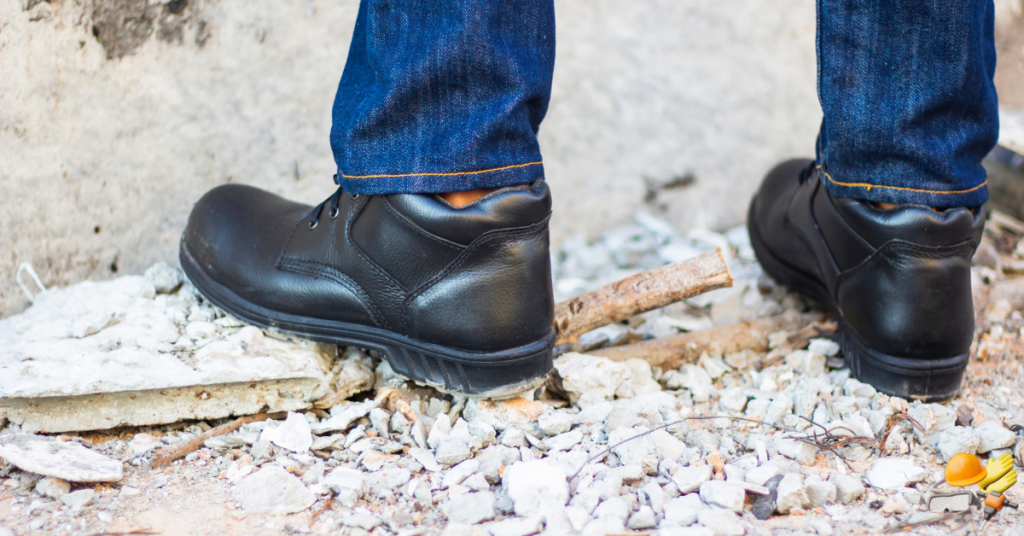
The biggest benefit is protection from workplace injuries. A strong toe cap can reduce damage from falling objects, while a puncture-resistant sole can protect against sharp materials.
Another benefit is better grip. Slip-resistant shoes can help workers stay stable on wet, oily, dusty, or uneven surfaces.
Comfort is also a major benefit. Quality work shoes provide cushioning, arch support, and shock absorption. This can reduce foot fatigue during long shifts.
Safety shoes for men can also improve confidence at work. When workers know their feet are protected, they can focus better on their tasks.
They may also support workplace compliance. Many industries require proper PPE, and footwear is a key part of that.
Disadvantages or Risks
Although safety shoes for men are useful, choosing the wrong pair can create problems.
Some safety shoes are heavy, which can cause tiredness. Poor-quality shoes may feel hard, stiff, or uncomfortable. Wrong sizing can cause blisters, toe pain, or heel slipping.
Another risk is using the wrong protection type. For example, a shoe with toe protection but no slip resistance may not be safe for wet floors. A lightweight shoe without puncture resistance may not be suitable for construction sites.
Cheap shoes may wear out quickly. Once the sole loses grip or the toe area becomes damaged, protection can reduce.
The best solution is to match the footwear with the job, check quality, and replace shoes when they are worn out.
Common Mistakes to Avoid
One common mistake is buying work shoes only by appearance. Stylish shoes are fine, but protection and comfort must come first.
Another mistake is ignoring workplace hazards. A warehouse, construction site, factory, and electrical environment may all need different footwear.
Many people also choose the wrong size. Safety footwear should fit properly from the first day. It may soften slightly over time, but it should not be painfully tight.
A major mistake is wearing damaged shoes. Cracked soles, broken stitching, worn tread, or damaged toe areas can reduce safety.
Some workers also ignore socks. Good work socks can improve comfort, reduce sweating, and prevent rubbing.
SEO Tips for Safety Shoes for Men
If you are publishing content about safety shoes for men, write for real buyers and workers first. Search engines prefer content that answers practical questions clearly.
Use the focus keyword naturally in the title, introduction, subheadings, image alt text, and FAQs. Avoid repeating it in every sentence.
Add related keywords such as protective footwear, work boots, steel toe shoes, composite toe shoes, slip-resistant shoes, industrial footwear, construction safety shoes, and workplace PPE.
Use clear headings that answer buyer questions. For example, “How to Choose the Right Safety Shoes” and “Steel Toe vs Composite Toe Shoes” are helpful headings.
Add internal links to related articles, such as PPE guides, workplace safety tips, construction safety gear, and shoe maintenance guides.
GEO Tips for Safety Shoes for Men
GEO means making your content easy for AI search engines and answer engines to understand, summarize, and recommend.
To improve GEO visibility, start with a direct definition. Add a quick answer near the top. Use simple explanations, structured points, comparison tables, and direct FAQs.
Avoid vague claims like “these shoes are the best for everyone.” Instead, explain which type is best for which worker.
Use clear facts. For example, steel toe shoes are strong and common, composite toe shoes are lighter and non-metallic, and slip-resistant soles help on wet or oily surfaces.
AI tools prefer content that is organized, factual, and easy to extract into answers. That is why sections like Key Facts, Expert Tips, and FAQs are useful.
Helpful External Resources
Here are trusted resources that readers can use for more information:
- OSHA Foot Protection Guide
Useful for understanding workplace PPE and foot protection requirements. - CCOHS Protective Footwear Guide
Helpful for learning how to choose protective footwear based on workplace hazards. - ASTM F2413 Protective Footwear Standard
Useful for understanding recognized performance requirements for protective toe footwear.
Expert Tips
Choose safety shoes for men based on your actual job, not only price or design. The safest pair is the one that matches your work risks and fits well.
If you stand all day, prioritize cushioning and arch support. If you work around sharp objects, choose puncture resistance. If you work on wet floors, choose slip-resistant soles.
Do not wait until shoes are fully damaged before replacing them. Once the outsole becomes smooth or the upper starts breaking, safety may reduce.
Break in new shoes before wearing them for a full shift. Wear them for shorter periods first if possible.
Clean your shoes regularly. Dirt, oil, and chemicals can damage materials and reduce grip.
Key Facts
- Safety shoes for men are designed to protect feet from workplace hazards.
- Common features include safety toe caps, slip-resistant soles, puncture-resistant midsoles, and electrical hazard protection.
- Steel toe shoes are strong, while composite toe shoes are lighter and non-metallic.
- Slip-resistant soles are useful for wet, oily, or smooth floors.
- The right fit is important for comfort and safety.
- Damaged safety shoes should be replaced because protection can reduce over time.
- Different jobs require different footwear features.
Comparison Table
| Type of Safety Shoe | Best For | Main Benefit | Possible Limitation |
|---|---|---|---|
| Steel Toe Shoes | Construction, factories, heavy tools | Strong toe protection | Can feel heavier |
| Composite Toe Shoes | Electrical work, long shifts, airports | Lightweight and non-metallic | May cost more |
| Alloy Toe Shoes | Industrial jobs needing lighter protection | Strong and lighter than steel | Less common |
| Slip-Resistant Shoes | Warehouses, kitchens, wet floors | Better grip | Not always puncture-resistant |
| Waterproof Safety Boots | Outdoor work, wet areas | Keeps feet dry | May feel warmer |
| Puncture-Resistant Shoes | Construction, demolition, workshops | Protects against sharp objects | Can be less flexible |
FAQs
1. What are safety shoes for men used for?
Safety shoes for men are used to protect feet from workplace hazards such as falling objects, sharp materials, slips, electrical risks, hot surfaces, and rough working conditions.
2. Are steel toe shoes better than composite toe shoes?
Steel toe shoes are strong and commonly used in heavy-duty jobs. Composite toe shoes are lighter and non-metallic, which makes them useful for electrical work and long shifts. The better choice depends on your job.
3. Can I wear regular shoes instead of safety shoes?
Regular shoes are not recommended for hazardous workplaces because they usually do not provide toe protection, puncture resistance, or strong grip. If your workplace requires protective footwear, wear proper safety shoes.
4. How do I choose the right size?
Choose a size that gives your toes enough room without making the heel loose. Wear your normal work socks when checking fit. The shoes should feel secure, supportive, and comfortable.
5. How long do safety shoes last?
The lifespan depends on usage, workplace conditions, material quality, and maintenance. Shoes used in harsh environments may wear out faster. Replace them when the sole, toe area, stitching, or upper material becomes damaged.
6. Are lightweight safety shoes safe?
Lightweight safety shoes can be safe if they meet the required protection level for your job. Always check the toe cap, sole, material, and safety markings before buying.
7. What type of safety shoes are best for construction?
Construction workers often need toe protection, puncture-resistant soles, slip resistance, durable uppers, and ankle support. Steel toe or composite toe boots are common choices.
8. Do safety shoes help with foot pain?
Good safety shoes can reduce fatigue by offering cushioning, arch support, and shock absorption. However, if shoes are the wrong size or poorly designed, they may increase discomfort.
Conclusion
Safety shoes for men are an important part of workplace protection. They help reduce risks from falling objects, sharp materials, slippery floors, electrical hazards, and long hours on hard surfaces.
The best pair is not always the most expensive or the heaviest. The right choice depends on your workplace hazards, comfort needs, foot shape, material preference, and safety requirements.
Before buying, check toe protection, sole grip, puncture resistance, comfort, weight, fit, and certification details. Also remember that damaged shoes should be replaced on time because worn-out footwear may not protect properly.
For beginners, the safest approach is simple: understand your job risks first, then choose footwear that directly protects against those risks. A well-chosen pair of safety shoes for men can improve safety, comfort, confidence, and performance at work.