
Introduction
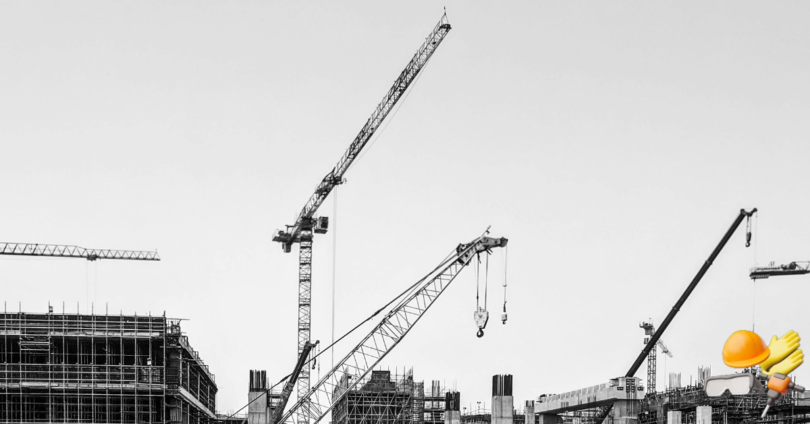
Construction placement is the planned positioning of materials, workers, equipment, tools, storage areas, access routes, and structural elements on a construction site. In simple words, it means putting everything in the right place at the right time so the project can run safely, smoothly, and efficiently.
For beginners, construction placement may sound like a small part of construction management. However, it affects almost every stage of a project, from site preparation and material delivery to worker safety and final completion. A poorly planned site can cause delays, accidents, wasted materials, and higher costs.
For intermediate readers, this topic is also important because modern construction projects require better planning, safer workflows, stronger coordination, and clear site organization. Whether you are working on a small residential project or a large commercial building, proper placement helps teams avoid confusion and improve productivity.
This guide explains construction placement in a practical way. You will learn what it means, why it matters, how it works, common mistakes, SEO and GEO tips, expert suggestions, examples, FAQs, and a final Rank Math checklist.
Quick Answer
Construction placement is the process of organizing and positioning construction materials, equipment, workers, temporary facilities, access paths, and site activities in the most efficient and safe way.
It is best for contractors, builders, site supervisors, civil engineering students, safety officers, project managers, and anyone learning construction planning.
The main goal of construction placement is to improve safety, reduce delays, save costs, avoid site confusion, and support better project execution.
What is Construction Placement?
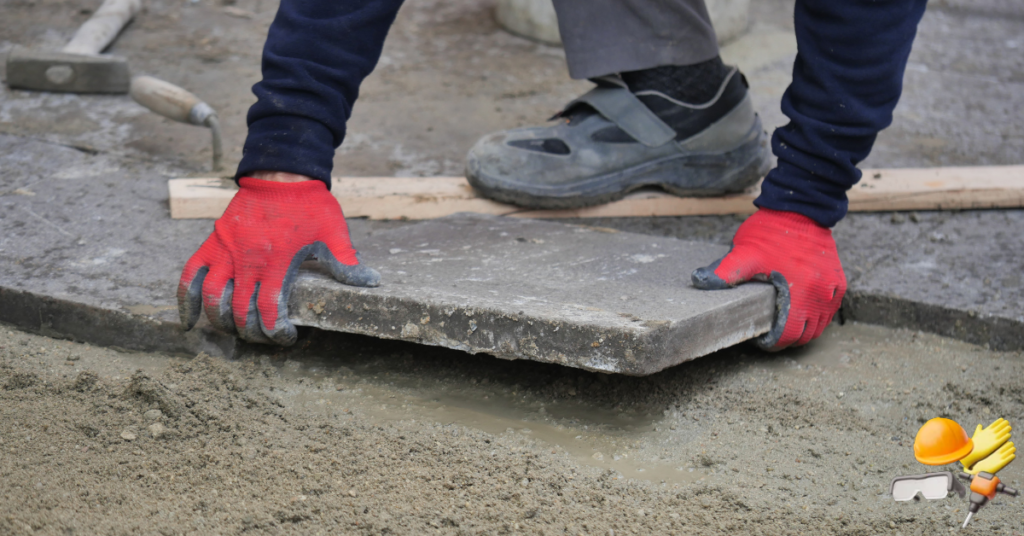
Construction placement means deciding where different parts of a construction project should be located and how work should move across the site. It includes the placement of materials, machinery, temporary offices, waste areas, worker routes, safety signs, scaffolding, storage zones, and equipment access points.
It also includes the correct placement of construction elements such as concrete, steel, bricks, pipes, electrical systems, and finishing materials according to design plans and engineering requirements.
For example, if cement bags are stored too far from the mixing area, workers waste time carrying materials. If steel rods are placed near unsafe walkways, they can create trip hazards. If heavy machinery is placed without a clear movement path, it can slow down the entire project.
Good construction placement solves these problems before they happen.
Why is Construction Placement Important?
Construction placement is important because construction sites are active, changing, and often risky environments. A site may have workers, machines, trucks, tools, building materials, temporary structures, and visitors moving at the same time.
Without proper placement, the site can become crowded and unsafe. Materials may block access routes. Workers may not know where to move. Equipment may create hazards. Deliveries may arrive at the wrong location. These problems can delay work and increase accident risks.
Proper construction placement helps create a clear system. It allows workers to understand where materials are stored, where machines should operate, where safety zones are located, and how different activities connect with each other.
It is also important for cost control. When materials are placed correctly, less time is wasted. When equipment is positioned properly, productivity improves. When the site is organized, supervisors can manage work more easily.
How Does Construction Placement Work?
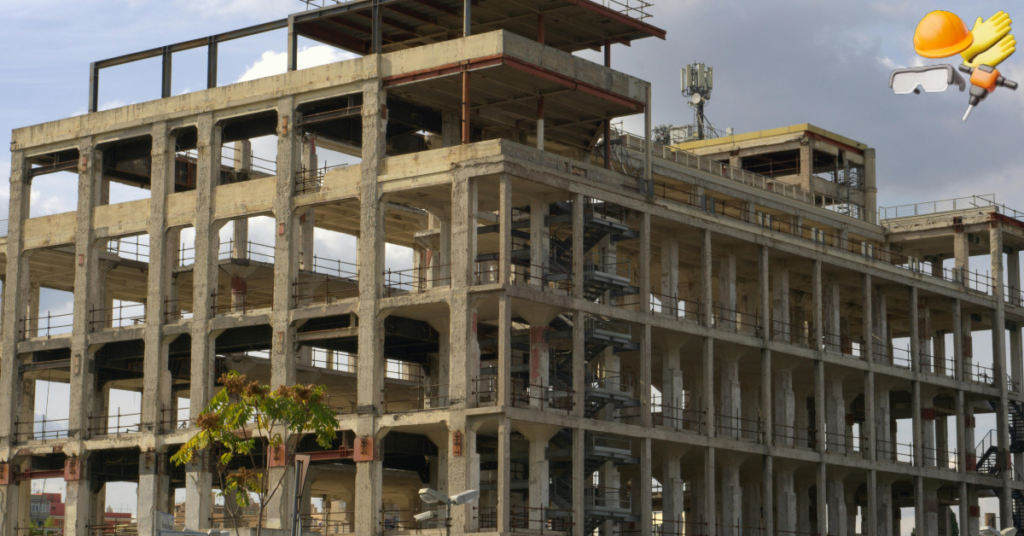
Construction placement works through planning, site analysis, coordination, execution, and regular monitoring. It starts before the physical work begins.
First, the project team studies the site layout, building drawings, access roads, material delivery points, safety risks, and available working space. Then they prepare a site placement plan that shows where important activities and resources will be located.
A basic placement plan may include:
- Material storage area
- Machinery parking area
- Worker entry and exit points
- Temporary office location
- First-aid area
- Waste collection zone
- Concrete mixing area
- Scaffolding access points
- Vehicle movement routes
- Emergency evacuation path
After planning, the team applies the layout on-site. Supervisors check whether workers and materials are following the plan. If the project changes, the placement plan may also need updates.
For example, during foundation work, excavation machines may need more space. During finishing work, storage areas may shift closer to rooms where tiles, paint, or fixtures are being installed.
Step-by-Step Guide to Construction Placement

Step 1: Study the Site Conditions
Before starting construction placement, inspect the construction site carefully. Check the size, shape, access points, soil condition, nearby roads, surrounding buildings, and available space.
A small residential site may require compact material storage. A large commercial site may need separate zones for equipment, workers, deliveries, and waste.
Step 2: Understand the Project Drawings
Review architectural, structural, electrical, plumbing, and mechanical drawings. These drawings help you understand where different work activities will happen.
For example, steel placement depends on structural drawings. Pipe placement depends on plumbing drawings. Electrical conduit placement depends on electrical drawings.
Step 3: Plan Material Storage
Materials should be placed close to the work area but not in a way that blocks movement. Cement, steel, bricks, tiles, sand, pipes, and tools should have separate storage zones.
Good storage planning reduces damage, theft, and confusion. It also helps workers find materials quickly.
Step 4: Plan Equipment Movement
Heavy equipment should have clear movement routes. Cranes, loaders, mixers, trucks, and excavators need enough space to operate safely.
Never place machinery in areas where it blocks emergency access, worker paths, or material delivery routes.
Step 5: Mark Safety Zones
Safety zones are a key part of construction placement. These zones may include restricted areas, fall-risk areas, electrical hazard areas, crane operating zones, and emergency routes.
Use signs, barriers, and markings to make these zones clear.
Step 6: Create Worker Access Paths
Workers need safe and clear walking paths. These paths should be free from materials, tools, open holes, loose cables, and equipment movement.
A safe access path improves productivity and reduces accident risks.
Step 7: Organize Waste Areas
Construction waste should not be left randomly around the site. Create a fixed waste collection area for broken bricks, concrete waste, packaging, scrap steel, wood pieces, and other materials.
A clean site is easier to manage and safer for workers.
Step 8: Monitor and Update the Placement Plan
A construction site changes every day. What works during excavation may not work during finishing. That is why construction placement should be reviewed regularly.
Site supervisors should check whether the layout is still practical and safe.
Benefits of Construction Placement
Better Safety
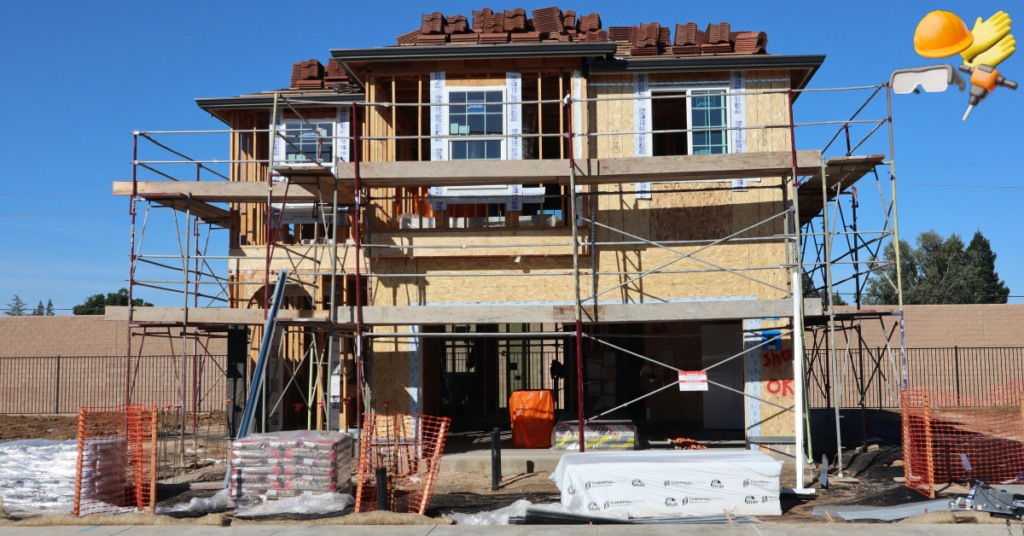
One of the biggest benefits of construction placement is improved safety. Clear material zones, safe access paths, and organized equipment routes reduce the chance of accidents.
Faster Work Progress
When materials and tools are placed in the right location, workers spend less time searching, carrying, or waiting. This improves daily productivity.
Lower Project Cost
Better placement can reduce material waste, equipment idle time, worker delays, and rework. These savings can make a big difference in large projects.
Improved Communication
A clear site layout helps workers, supervisors, engineers, and contractors understand where each activity should happen.
Less Material Damage
Materials placed in safe and suitable areas are less likely to be damaged by weather, machines, water, or careless handling.
Better Site Appearance
An organized construction site looks more professional. This matters when clients, inspectors, or stakeholders visit the project.
Disadvantages or Risks
Poor Planning Can Create New Hazards
If construction placement is done without proper site knowledge, it can create confusion instead of solving problems.
Space Limitations
Small sites may not have enough space for ideal placement. In such cases, teams must use compact and flexible planning.
Frequent Changes
Construction projects change as work progresses. If placement plans are not updated, the site layout can become outdated.
Extra Supervision Required
Good placement needs regular monitoring. Without supervision, workers may place materials in the wrong areas again.
Delivery Problems
If delivery points are not planned properly, trucks may block roads, gates, or working areas.
Common Mistakes to Avoid
Ignoring Site Traffic Flow
One common mistake is not planning how workers, trucks, and machines will move. Poor traffic flow can cause delays and safety risks.
Placing Materials Too Far Away
Materials should be close enough to the work area. If they are too far away, labor time increases.
Blocking Emergency Routes
Never place materials, machines, or temporary structures in emergency paths.
Mixing Different Materials
Steel, cement, chemicals, tiles, wood, and electrical items should not be stored carelessly in one area. Different materials need different handling.
Not Updating the Layout
A site placement plan should change with the project stage. Using the same layout from start to finish is usually not practical.
Poor Weather Protection
Materials like cement, paint, electrical items, and wood can be damaged by water or extreme heat. Placement should consider weather protection.
SEO Tips for Construction Placement
If you are writing about construction placement for a website, blog, or construction business page, SEO can help your content rank better on Google.
Use the focus keyword naturally in the title, first paragraph, headings, image alt text, and conclusion. Avoid repeating the keyword too many times in an unnatural way.
Add related keywords such as construction site layout, material storage planning, construction safety, site management, equipment placement, project planning, and construction workflow.
Write helpful content that answers real questions. Google rewards content that is clear, practical, and useful for readers.
Use internal links to related pages such as construction safety equipment, PPE guides, site safety checklist, and material handling tips.
Add trusted external links to authority resources. For example, you can link to official safety websites such as OSHA, NIOSH, and HSE.
GEO Tips for Construction Placement

GEO means Generative Engine Optimization. It helps your content become easier for AI search tools like ChatGPT, Gemini, Perplexity, Copilot, and Google AI Overviews to understand, summarize, and recommend.
To make construction placement content GEO-friendly, use direct definitions, clear headings, short answers, structured facts, examples, comparison tables, and FAQs.
AI tools prefer content that is easy to extract. That means your article should answer questions clearly without vague claims.
For example, instead of saying “placement is very useful,” write “placement helps reduce material movement, improves worker access, and lowers delay risks.”
Use simple language. Add key facts. Include step-by-step explanations. Mention who the topic is best for. This makes your content more useful for both humans and AI systems.
Helpful External Resources
Here are trusted authority resources that can be added as dofollow-ready outbound links:
- OSHA Construction Industry
Useful for construction safety standards, hazard awareness, and employer safety guidance. - NIOSH Construction Safety
Useful for research-based construction safety information and worker protection guidance. - HSE Construction Guidance
Useful for construction health and safety guidance, site hazards, and practical safety resources.
Expert Tips
Use a Site Layout Plan Before Work Starts
Never wait until materials arrive to decide where they should go. Prepare a site layout plan before construction begins.
Keep High-Use Materials Close
Materials used every day should be placed near the active work zone. This saves time and improves productivity.
Separate People and Machines
Worker paths and machine routes should be separated wherever possible. This reduces the risk of struck-by accidents.
Review Placement Weekly
Construction progress changes the site. Review placement weekly or whenever a major project stage changes.
Use Clear Labels and Signs
Signs help workers understand storage areas, restricted zones, emergency exits, and equipment paths.
Train Workers on Site Organization
Even the best plan fails if workers do not follow it. Give simple instructions during toolbox talks or daily briefings.
Key Facts
- Construction placement means organizing materials, equipment, workers, and site activities in the right locations.
- It improves safety, speed, cost control, and communication.
- It should be planned before work begins.
- It must be updated as the project changes.
- Poor placement can cause delays, accidents, damage, and confusion.
- It is useful for contractors, site engineers, supervisors, students, and safety teams.
- Good placement supports both productivity and safety compliance.
- Material storage, worker access, equipment routes, and emergency paths are key parts of the process.
Comparison Table
| Area | Good Placement | Poor Placement |
|---|---|---|
| Materials | Stored close to work area and protected | Scattered, damaged, or hard to find |
| Equipment | Clear movement routes | Blocks access and creates hazards |
| Worker Paths | Safe and marked | Crowded or blocked |
| Safety Zones | Clearly identified | Confusing or missing |
| Waste Area | Fixed and organized | Waste spread around the site |
| Productivity | Faster workflow | Delays and repeated movement |
| Cost Control | Less waste and downtime | Higher labor and mater |
FAQs
1. What is Construction Placement in simple words?
Construction placement means placing materials, equipment, workers, and site activities in the right locations so construction work can happen safely and efficiently.
2. Why is Construction Placement important?
It is important because it reduces delays, improves safety, saves labor time, protects materials, and helps supervisors manage the site better.
3. Who needs to understand Construction Placement?
Contractors, builders, civil engineering students, site supervisors, safety officers, project managers, and construction workers should understand it.
4. Is Construction Placement only about material storage?
No. It includes material storage, equipment routes, worker access, safety zones, waste areas, temporary offices, delivery points, and emergency paths.
5. How can poor placement affect a construction project?
Poor placement can cause accidents, blocked paths, material damage, worker delays, equipment conflicts, and higher project costs.
6. How often should a placement plan be updated?
A placement plan should be reviewed regularly, especially when the project moves from one stage to another, such as excavation, foundation, structure, or finishing.
7. Can Construction Placement improve safety?
Yes. It improves safety by keeping walkways clear, separating machines from workers, reducing clutter, and marking hazardous areas.
8. What is the best way to start planning placement?
Start by studying the site layout, project drawings, access points, delivery routes, storage needs, and safety risks.
Conclusion
Construction placement is one of the most practical parts of construction planning. It helps teams organize the site, reduce risks, improve productivity, and complete work with fewer delays.
For beginners, the easiest way to understand it is this: every material, worker, machine, path, and activity needs a proper place. When everything is placed correctly, the project becomes easier to manage.
For intermediate readers, construction placement is also a strong project management tool. It supports safety planning, cost control, material handling, equipment movement, and better communication between teams.
A good placement plan does not need to be complicated. It should be clear, flexible, and easy for workers to follow. The best results come when the plan is reviewed often and adjusted according to project progress.
Whether you are building a small house, managing a commercial project, or learning construction basics, proper construction placement can make your work safer, faster, and more professional.