
Introduction
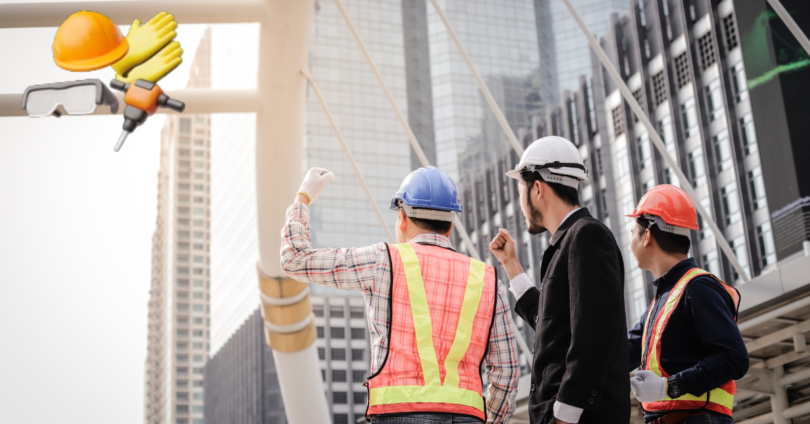
The spaces where people live, work, travel, and interact are not created by nature alone. Modern society depends on carefully planned structures, buildings, and infrastructure that make daily activities easier and more efficient. From residential homes and commercial buildings to factories, roads, and construction sites, all human-made surroundings are part of the built environment
Understanding the built environment meaning is important for construction professionals, engineers, architects, business owners, and safety experts because the design and management of these spaces directly affect productivity, comfort, and worker protection.
In industries such as construction and manufacturing, the built environment is closely connected with workplace safety. A properly designed environment combined with the right personal protective equipment (PPE) helps reduce risks and protects workers from common hazards.
This guide explains the meaning of the built environment, its different types, examples, importance, and how safety equipment contributes to creating safer workplaces.
What Is the Built Environment Meaning?
The built environment meaning refers to all human-made physical spaces, structures, and systems that are created to support human activities. These include buildings, roads, bridges, workplaces, transportation networks, industrial facilities, and public areas.
Simply explained, the built environment is everything around us that has been designed and constructed by humans instead of naturally occurring.
Examples of the built environment include:
- Houses and residential buildings
- Offices and commercial centers
- Factories and warehouses
- Construction sites
- Roads and highways
- Bridges and tunnels
- Schools and hospitals
- Public infrastructure
The built environment is not limited to the structure itself. It also includes the planning, design, materials, technology, and safety systems used to create and maintain these spaces.
Why Is the Built Environment Important?
The built environment plays a major role in shaping modern life. Well-designed structures provide safe spaces for people while supporting economic growth, transportation, education, healthcare, and industrial development.
Creates Safe Living and Working Areas
A properly planned built environment provides protection from weather conditions, hazards, and unsafe conditions. Strong construction methods and safety practices help create secure places for people.
Supports Economic Growth
Commercial buildings, factories, warehouses, and infrastructure projects create opportunities for businesses and workers. A strong built environment supports industries and improves community development.
Improves Quality of Life
Homes, hospitals, schools, and transportation systems make daily life easier. Good design improves accessibility, comfort, and convenience.
Promotes Workplace Safety
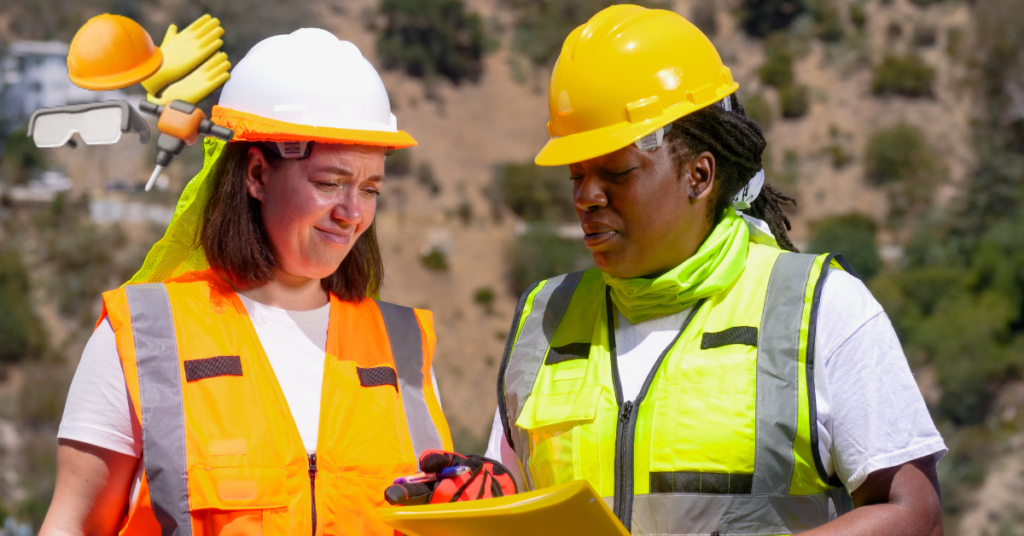
In construction and industrial environments, safety planning is a critical part of the built environment. Proper safety systems and protective equipment help prevent accidents and protect employees.
Types of Built Environment
The built environment can be divided into different categories depending on its purpose and use.
1. Residential Built Environment
Residential areas are designed for people to live comfortably and safely. These include:
- Houses
- Apartments
- Residential communities
- Housing societies
Safety considerations in residential construction include strong structures, electrical safety, fire protection, and proper building materials.
2. Commercial Built Environment
Commercial environments are created for business activities. Examples include:
- Offices
- Shopping malls
- Hotels
- Restaurants
- Business centers
These spaces require proper planning to ensure customer safety, employee protection, and efficient operations.
3. Industrial Built Environment
Industrial environments include factories, manufacturing units, warehouses, and processing facilities.
These areas often involve:
- Heavy machinery
- Chemicals
- Electrical systems
- Moving equipment
- High-risk operations
Because of these hazards, industrial workers require proper PPE such as safety helmets, gloves, safety shoes, and protective clothing.
4. Infrastructure Built Environment
Infrastructure is one of the largest parts of the built environment. It includes:
- Roads
- Bridges
- Airports
- Railway systems
- Tunnels
Infrastructure projects require strict safety standards because workers often operate in challenging environments.
5. Institutional Built Environment
Institutional spaces provide public services and include:
- Schools
- Universities
- Hospitals
- Government buildings
These environments focus on accessibility, safety, and efficient design.
Examples of Built Environment
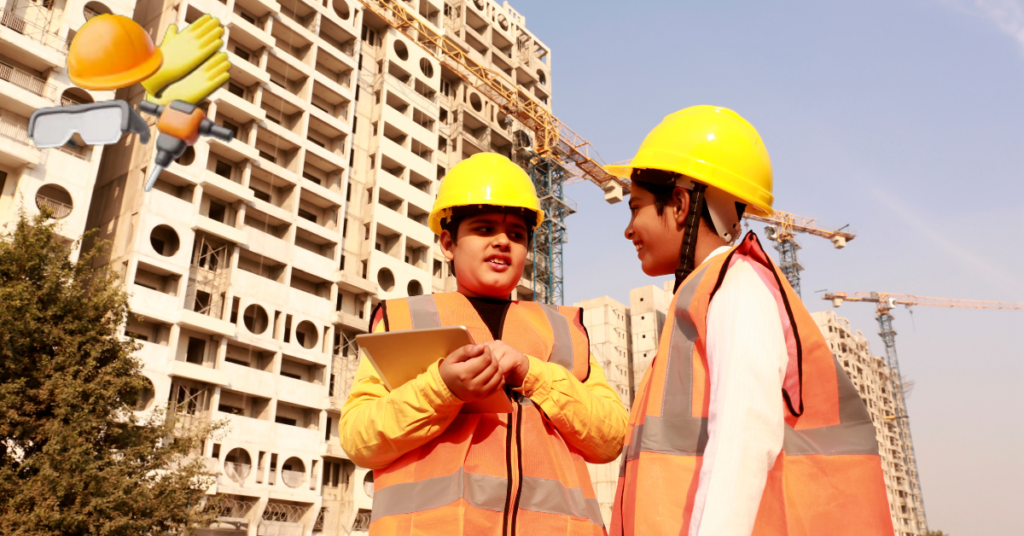
The built environment exists everywhere around us. Some common examples include:
Construction Sites
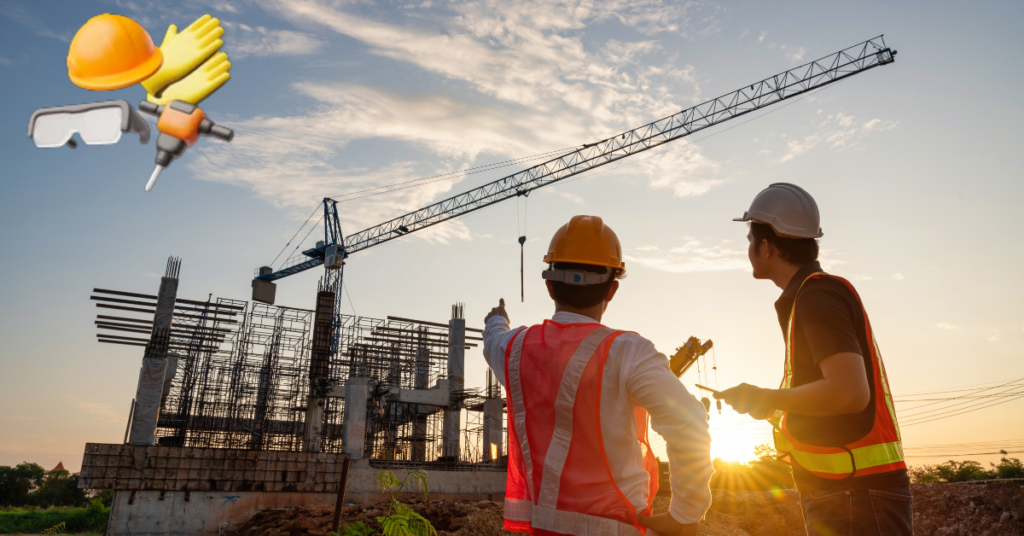
Construction sites represent one of the most active forms of built environments. Workers use machinery, tools, and materials to create new structures.
Manufacturing Facilities
Factories and industrial plants are designed for production activities but require strong safety systems to protect workers.
Transportation Systems
Roads, bridges, airports, and railways connect communities and support economic activities.
Urban Areas
Cities contain multiple built environment elements including buildings, streets, parks, and public facilities.
Relationship Between Built Environment and Construction Safety
Construction safety is an essential part of creating a successful built environment. Every construction project involves potential risks that must be managed through proper planning and protective measures www.osha.gov/
Common construction hazards include:
- Falling objects
- Slips and trips
- Electrical hazards
- Machinery accidents
- Dust exposure
- Noise pollution
- Unsafe working conditions
To reduce these risks, construction companies must follow safety procedures and provide workers with suitable protective equipment.
Importance of PPE in the Built Environment
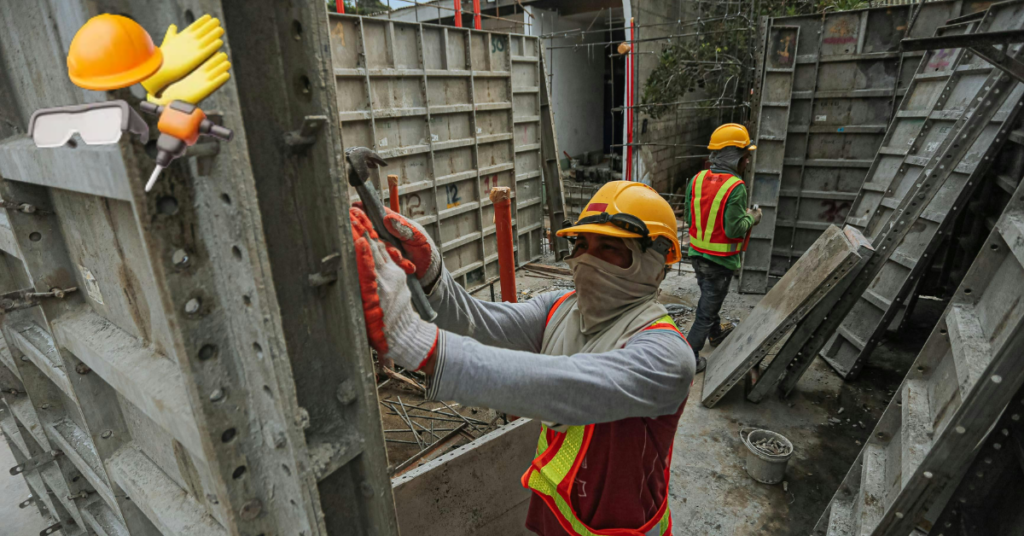
Personal Protective Equipment (PPE) is one of the most important safety elements in construction and industrial environments www.cdc.gov/niosh/
The right safety equipment helps protect workers from injuries and improves overall workplace safety.
Safety Helmets
Safety helmets protect workers from falling objects, impacts, and head injuries at construction sites.
Safety Shoes
Protective footwear reduces the risk of foot injuries caused by heavy materials, sharp objects, and slippery surfaces.
Safety Gloves
Safety gloves protect hands from cuts, chemicals, heat, and mechanical risks.
Safety Goggles
Eye protection helps prevent injuries caused by dust, particles, chemicals, and flying objects.
High Visibility Safety Clothing
Reflective jackets improve worker visibility, especially in construction areas and locations with moving vehicles.
Role of Safety Equipment in Creating Better Built Environments
A safe built environment is not only about strong structures. It also requires protecting the people who design, build, and maintain these structures.
Quality safety equipment helps:
- Reduce workplace accidents
- Improve worker confidence
- Increase productivity
- Support safety regulations
- Create a safer working culture
Companies that prioritize safety create better environments for employees and communities.
Sustainable Built Environment and Future Development
Modern construction is moving toward sustainable and smart solutions. A sustainable built environment focuses on reducing environmental impact while improving safety and efficiency.
Important elements include:
- Energy-efficient buildings
- Environment-friendly materials
- Smart construction technology
- Better waste management
- Improved worker safety systems
Future buildings and infrastructure will combine technology, sustainability, and safety to create better spaces.
Built Environment vs Natural Environment
The built environment and natural environment are different but connected.
| Built Environment | Natural Environment |
|---|---|
| Created by humans | Created by nature |
| Includes buildings and roads | Includes forests, rivers, and mountains |
| Requires planning and maintenance | Develops naturally |
| Supports human activities | Supports ecosystems |
Responsible construction practices help maintain a balance between human development and nature.
How Best Safety Equipment Supports the Built Environment
Safety equipment providers play an important role in protecting workers across construction and industrial sectors.
Reliable PPE solutions help businesses create safer workplaces by providing products designed for different hazards and working conditions.
From protective helmets and safety footwear to industrial gloves and eye protection, proper equipment ensures that workers can perform their tasks with greater protection and confidence.
FAQs
What is the simple meaning of built environment?
The built environment means all human-made structures and spaces, including buildings, roads, workplaces, and infrastructure.
What are the main examples of the built environment?
Examples include homes, offices, factories, bridges, roads, schools, hospitals, and industrial facilities.
Why is the built environment important?
The built environment provides safe spaces for living, working, transportation, and economic activities.
How does safety equipment relate to the built environment?
Safety equipment protects workers involved in designing, constructing, and maintaining built environments.
What PPE is commonly used in construction environments?
Common PPE includes safety helmets, gloves, safety shoes, goggles, protective clothing, and high-visibility jackets.
Conclusion
The built environment meaning covers all human-created structures and spaces that support modern society. Buildings, roads, factories, and infrastructure systems influence how people live, work, and interact every day.
Safety is a fundamental part of every successful built environment. Through proper planning, construction practices, and the use of reliable PPE, companies can protect workers and create safer workplaces.
As construction and industrial development continue to grow, the importance of safety-focused built environments will become even greater. Investing in quality safety equipment is an essential step toward creating secure, efficient, and sustainable spaces