
Introduction
When choosing wood-based materials for furniture, cabinets, shelves, wardrobes, or interior work, one common question is chipboard vs plywood — which one is better?
Both materials are widely used in homes, offices, shops, and construction projects. However, they are not the same. Chipboard is usually cheaper and lighter, while plywood is stronger and more durable. The right choice depends on your budget, purpose, location, and how long you want the material to last.
Many people select the wrong board only because it looks good from the outside. Later, they face problems like swelling, bending, weak screw holding, or damaged furniture. That is why understanding the difference between chipboard vs plywood is important before buying.
In this guide, we will explain both materials in simple language, compare their pros and cons, and help you decide which one is better for your project.
What Is Chipboard?
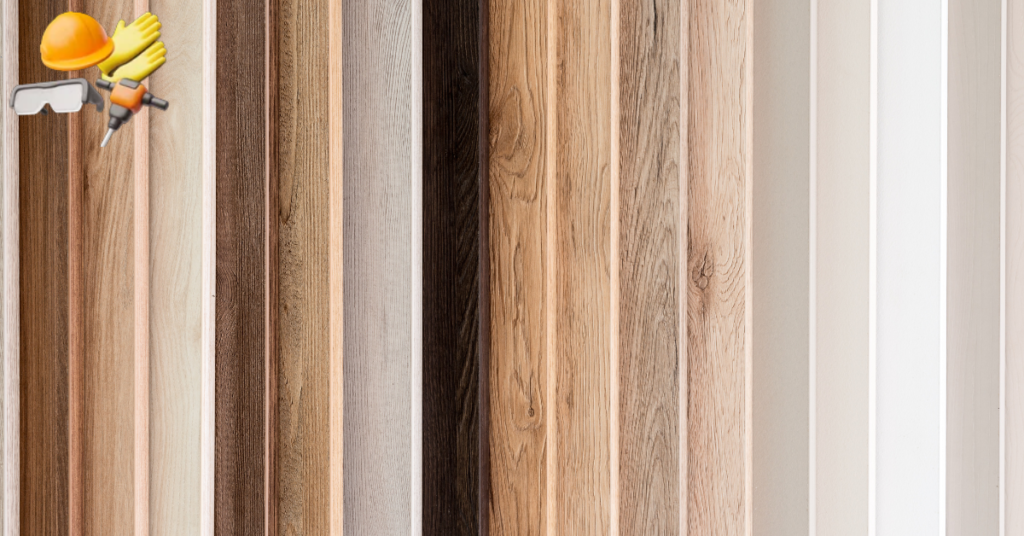
Chipboard is an engineered wood product made from small wood particles, chips, sawdust, and resin. These particles are pressed together under heat and pressure to form flat boards.
It is also known as particle board in many markets.
Chipboard is commonly used in low-cost furniture, office tables, shelves, wardrobes, cabinets, and interior panels. It is usually covered with laminate, veneer, or melamine sheet to improve its appearance.
The main reason people use chipboard is affordability. It gives a smooth surface and can look attractive when finished properly.
However, chipboard is not very strong compared to plywood. It can swell when exposed to moisture, and it does not hold screws as firmly as plywood.
What Is Plywood?
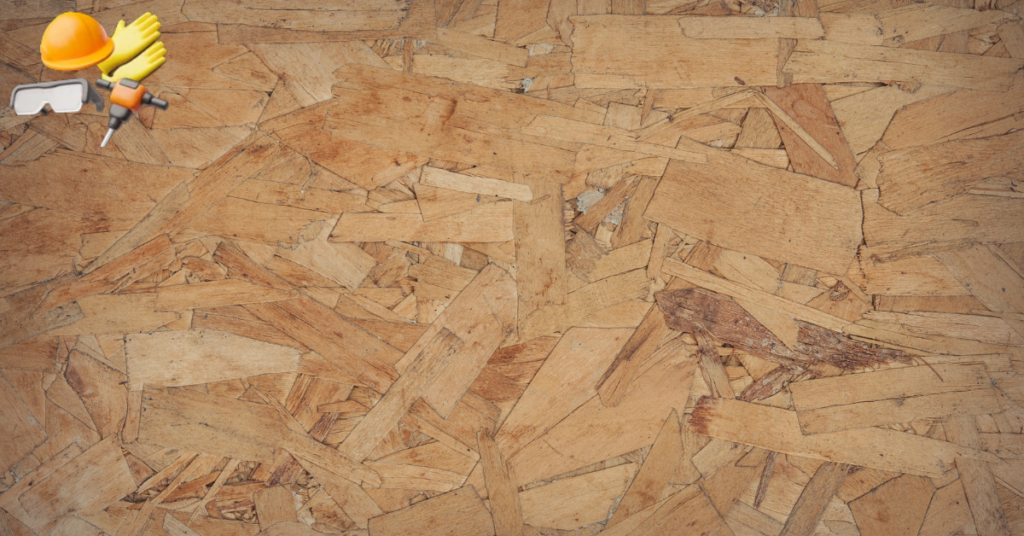
Plywood is also an engineered wood product, but it is made differently. Thin layers of wood veneer are glued together in opposite grain directions. This cross-layer structure makes plywood strong, stable, and resistant to bending.
Plywood is available in different grades and thicknesses. Some types are used for furniture, while others are used in construction, flooring, roofing, and shuttering work.
Plywood is more expensive than chipboard, but it offers better strength, durability, and screw holding capacity.
This is why plywood is often preferred for long-lasting furniture, kitchen cabinets, wardrobes, doors, partitions, and heavy-use projects.
Chipboard vs Plywood Main Difference
The main difference between chipboard vs plywood is strength and structure.
Chipboard is made from small wood particles bonded together. Plywood is made from thin wood layers glued in a cross-grain pattern.
Because of this, plywood is stronger, more durable, and better for load-bearing use. Chipboard is cheaper and suitable for light furniture or decorative work where heavy strength is not required.
In simple words, chipboard is a budget-friendly option, while plywood is a stronger and longer-lasting option.
Strength and Durability
Strength is one of the biggest differences in the chipboard vs plywood comparison.
Plywood is stronger because its layers are arranged in different grain directions. This structure helps the board resist bending, cracking, and breaking.
Chipboard is weaker because it is made from compressed wood particles. It can handle light use, but it is not ideal for heavy loads or rough handling.
For example, if you are making a heavy wardrobe, bed frame, kitchen cabinet, or storage shelf, plywood is usually a better choice. If you are making a temporary table, low-cost shelf, or light decorative panel, chipboard may be enough.
Moisture Resistance
Moisture resistance is another important factor.
Plywood performs better than chipboard in areas where moisture is possible. Good-quality plywood, especially waterproof or marine-grade plywood, can resist moisture better.
Chipboard can swell quickly when it comes in contact with water. Once it swells, it usually does not return to its original shape. This makes chipboard less suitable for kitchens, bathrooms, laundry areas, or places with high humidity.
For dry indoor spaces, chipboard can work well. But for moisture-prone areas, plywood is the safer option.
Screw Holding Capacity
Screw holding capacity means how well the board can hold screws, nails, hinges, and fittings.
Plywood has better screw holding strength. This makes it ideal for doors, cabinets, wardrobes, shelves, and furniture that needs strong joints.
Chipboard has weaker screw holding power. If screws are removed and fixed again, the hole may become loose. This can create problems in furniture where hinges or handles are used frequently.
For example, kitchen cabinet doors are opened and closed many times a day. In this case, plywood is usually more reliable than chipboard.
Weight Difference
Chipboard is usually heavier than plywood of the same thickness because it is made from densely compressed particles.
However, the weight can depend on board quality and density.
Plywood is often lighter and stronger at the same time. This makes it easier to use in furniture that needs both strength and manageable weight.
For wall-mounted cabinets, plywood is often a better option because it gives strength without unnecessary bulk.
Cost Comparison
Cost is where chipboard has a clear advantage.
Chipboard is cheaper than plywood. This is why it is commonly used in budget furniture and ready-made furniture.
Plywood costs more because it uses wood veneers and has a stronger layered structure. But the higher price often gives better long-term value.
If your project is temporary or budget is very tight, chipboard can be useful. But if you want furniture that lasts many years, plywood is usually worth the extra cost.
Appearance and Finishing
Both chipboard and plywood can look good when finished properly.
Chipboard usually has a smooth surface, which makes it easy to cover with laminate, melamine, or veneer. Many ready-made furniture items use chipboard because it gives a clean and modern finish at low cost.
Plywood also works well with laminate, veneer, paint, polish, and other finishes. However, the edges of plywood show layers, so edge banding or proper finishing is needed for a clean look.
For appearance only, both can be attractive. But for hidden strength and durability, plywood is better.
Best Uses of Chipboard
Chipboard is suitable for light-duty and budget-friendly projects.
It is commonly used for:
Low-cost wardrobes
Office tables
Computer desks
Decorative wall panels
Light shelves
Temporary furniture
Ready-made furniture
Interior partitions in dry areas
Chipboard is a good choice when the furniture will stay in a dry place and will not carry heavy weight.
For example, a small study table or a decorative TV panel can be made with chipboard if moisture and heavy load are not a concern.
Best Uses of Plywood
Plywood is suitable for strong, durable, and long-lasting projects.
It is commonly used for:
Kitchen cabinets
Wardrobes
Beds
Doors
Wall panels
Shelves
Storage units
Flooring base
Roofing support
Construction work
Commercial furniture
Plywood is better when the furniture needs to handle weight, movement, moisture, or daily use.
For example, a kitchen cabinet made with good plywood can last much longer than one made with low-quality chipboard.
Chipboard vs Plywood for Kitchen Cabinets
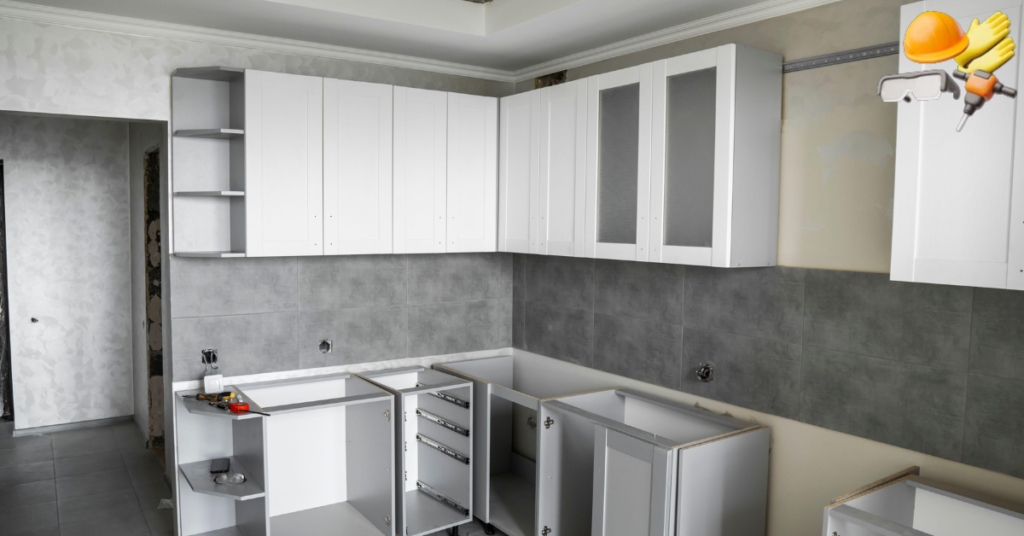
For kitchen cabinets, plywood is usually the better choice.
Kitchens are exposed to moisture, heat, oil, and frequent use. Cabinet doors are opened and closed many times every day. Because of this, the material must have good screw holding, strength, and moisture resistance.
Chipboard can be used in kitchens only if it is properly laminated and protected from water. But if water enters the edges, it can swell and get damaged.
For long-term kitchen work, plywood is safer and more durable.
Chipboard vs Plywood for Wardrobes
For wardrobes, both materials can be used, but the choice depends on quality and budget.
Chipboard is good for budget wardrobes in dry rooms. It gives a neat finish and keeps the cost low.
Plywood is better for wardrobes that need more strength and longer life. It is especially useful for large wardrobes, sliding wardrobes, or wardrobes with heavy doors.
If you want a wardrobe for short-term use, chipboard can work. If you want a strong wardrobe for many years, plywood is better.
Chipboard vs Plywood for Shelves
Shelves need strength because they carry books, decoration items, clothes, tools, or storage boxes.
Plywood is better for heavy shelves because it resists bending. Chipboard can bend or sag over time if heavy items are placed on it.
For small decorative shelves, chipboard can be fine. But for bookshelves, storage racks, and long shelves, plywood is the better option.
Chipboard vs Plywood for Beds
For beds, plywood is usually the better material.
A bed must support body weight, mattress weight, and daily movement. Plywood gives better strength and stability.
Chipboard beds are available in the market and may look modern, but they are not always as durable. If the chipboard quality is low, it can break, crack, or loosen around screws.
For a long-lasting bed, plywood is a better investment.
Advantages of Chipboard
Chipboard has several benefits, especially for budget projects.
It is cheaper than plywood, which makes it suitable for low-cost furniture. It has a smooth surface, so laminate and melamine finishing look clean. It is also easily available in many sizes and thicknesses.
Chipboard is useful when you need furniture for light use and indoor dry areas.
For example, office desks, small cabinets, and decorative panels often use chipboard because it reduces cost while still looking good.
Disadvantages of Chipboard
The biggest disadvantage of chipboard is low moisture resistance. It can swell if water reaches the board, especially through edges.
It is also weaker than plywood and does not hold screws very strongly. Heavy loads can cause bending or damage over time.
Chipboard is not ideal for outdoor use, wet areas, heavy furniture, or furniture that needs frequent disassembly and reassembly.
Advantages of Plywood
Plywood is strong, durable, and reliable. It has excellent screw holding capacity and performs better under pressure.
It is also more resistant to bending and cracking compared to chipboard. Good-quality plywood can handle daily use for many years.
Plywood is suitable for furniture, cabinets, construction, and commercial projects where strength matters.
Another advantage is that plywood is available in different grades, including moisture-resistant and waterproof options.
Disadvantages of Plywood
The main disadvantage of plywood is cost. It is more expensive than chipboard.
Plywood also needs proper finishing because the edges show layers. If low-quality plywood is used, it may have gaps, weak bonding, or surface defects.
However, when you choose good-quality plywood, these issues can be reduced.
Which One Is More Long-Lasting?
Plywood is more long-lasting than chipboard.
If maintained properly, plywood furniture can last for many years. It can handle weight, screws, movement, and moderate moisture better.
Chipboard furniture may last well in dry conditions, but it is more sensitive to water and heavy use.
For long-term furniture, plywood is the better choice.
Which One Is Better for Budget Furniture?
Chipboard is better for budget furniture.
If you want a low-cost table, cabinet, or shelf for light use, chipboard can be a practical choice. It gives a modern look at a lower price.
However, you should avoid using chipboard in wet areas or heavy-use furniture.
For budget-friendly indoor furniture, chipboard can work well if protected properly.
Which One Is Better for Premium Furniture?
Plywood is better for premium furniture.
Premium furniture needs strength, long life, better fittings, and strong joints. Plywood supports all these needs better than chipboard.
If you are spending money on custom furniture, kitchen cabinets, beds, or wardrobes, plywood is usually a smarter choice.
Environmental Considerations
Both chipboard and plywood use wood-based materials, but they are manufactured differently.
Chipboard often uses recycled wood particles and sawdust, which can reduce waste. However, some chipboards may contain resins and chemicals, so quality and certification matter.
Plywood uses wood veneers, so it depends more on timber quality and sourcing.
When buying either material, choose boards from trusted suppliers and look for low-emission or certified products where possible.
Maintenance Tips for Chipboard
To make chipboard last longer, keep it away from water. Always seal the edges properly because water usually enters from exposed edges.
Avoid placing very heavy items on chipboard shelves. Do not repeatedly remove and refit screws in the same place.
Clean chipboard furniture with a dry or slightly damp cloth. Do not use too much water.
If used carefully in dry spaces, chipboard furniture can last longer.
Maintenance Tips for Plywood
Plywood is stronger, but it still needs care.
Use proper polish, laminate, paint, or veneer to protect the surface. Keep the edges sealed, especially in kitchens or moisture-prone areas.
Avoid long-term water exposure, even with moisture-resistant plywood. Use good-quality hardware and proper installation methods.
With good finishing and maintenance, plywood furniture can remain strong and attractive for many years.
Chipboard vs Plywood: Which Should You Choose?
Choose chipboard if your budget is low and the furniture will be used indoors in a dry place. It is good for light furniture, decorative panels, office desks, and temporary use.
Choose plywood if you want strength, durability, better screw holding, and long life. It is better for kitchen cabinets, wardrobes, beds, heavy shelves, and premium furniture.
In the chipboard vs plywood comparison, plywood is the better overall material. But chipboard is still useful when cost is the main priority.
The best choice depends on your project. For short-term and low-cost use, chipboard is fine. For long-term and heavy-duty use, plywood is better.
Common Mistakes to Avoid
One common mistake is choosing chipboard for wet areas like kitchens and bathrooms. This can lead to swelling and damage.
Another mistake is using chipboard for heavy shelves. Over time, the board may bend.
Some people also buy low-quality plywood thinking all plywood is the same. Poor-quality plywood can also fail, so always check grade, thickness, and supplier reputation.
The smartest approach is to match the material with the actual use.
FAQs About Chipboard vs Plywood
Is chipboard stronger than plywood?
No, chipboard is not stronger than plywood. Plywood is stronger because it is made from cross-layered wood veneers, while chipboard is made from compressed wood particles.
Is plywood more expensive than chipboard?
Yes, plywood is usually more expensive than chipboard. However, it is also stronger and more durable, so it often gives better value for long-term use.
Can chipboard be used for kitchen cabinets?
Chipboard can be used for kitchen cabinets only if it is properly laminated and protected from moisture. But plywood is usually a better and safer choice for kitchens.
Which is better for wardrobes, chipboard or plywood?
Plywood is better for strong and long-lasting wardrobes. Chipboard can be used for budget wardrobes in dry rooms.
Does chipboard swell in water?
Yes, chipboard can swell when exposed to water, especially if the edges are not sealed properly.
Is plywood good for furniture?
Yes, plywood is one of the best materials for furniture because it is strong, durable, and has good screw holding capacity.
Which board is better for shelves?
Plywood is better for shelves, especially if the shelf needs to hold heavy items like books, tools, or storage boxes.
Is chipboard good for long-term use?
Chipboard can last in dry indoor areas with light use, but it is not as long-lasting as plywood.
Conclusion
The chipboard vs plywood comparison comes down to budget, strength, durability, and usage. Chipboard is cheaper and works well for light furniture, decorative panels, and budget projects. It gives a smooth finish and is commonly used in ready-made furniture.
However, chipboard is weaker, less moisture-resistant, and does not hold screws as strongly as plywood. It is not the best choice for kitchens, bathrooms, heavy shelves, beds, or long-term furniture.
Plywood is stronger, more durable, and better for furniture that needs to last. It performs well in cabinets, wardrobes, beds, shelves, doors, and interior work. Although plywood costs more, it offers better value when strength and long life are important.
So, if you need a low-cost solution for light indoor use, chipboard can be a good choice. But if you want reliable, long-lasting, and strong furniture, plywood is the better option.