
Introduction
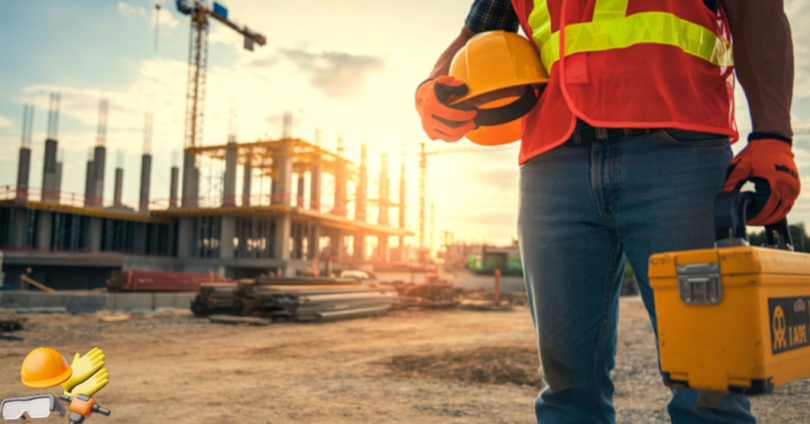
A construction worker is a person who helps build, repair, maintain, and improve structures such as homes, roads, bridges, offices, factories, schools, and public buildings. Construction workers are important because they turn building plans into real structures through practical work, teamwork, tools, and safety practices.
This career is best for people who enjoy hands-on work, physical activity, teamwork, and learning practical skills. A construction worker may prepare job sites, move materials, use tools, assist skilled trades, clean work areas, and follow safety rules to help complete construction projects properly.
For beginners, construction work can be a strong career option because many entry-level jobs provide on-the-job training. For intermediate workers, this field offers growth into skilled trades, equipment operation, site supervision, safety management, and contracting.
However, construction work is not only about strength. A good construction worker must also understand safety, communication, planning, discipline, and quality work. Construction sites can be risky, so workers need to stay alert, wear proper protective equipment, and follow instructions carefully.
This guide explains what a construction worker does, why the role is important, how the job works, what skills are needed, common risks, career steps, and expert tips for long-term success.
Quick Answer
A construction worker is a person who performs practical tasks on construction sites. These tasks may include preparing the site, carrying materials, using tools, assisting skilled workers, cleaning hazards, and following safety procedures.
In simple words, a construction worker helps build and maintain physical structures by doing hands-on work under the guidance of supervisors, contractors, or skilled tradespeople.
What Is a Construction Worker?

A construction worker is someone who works on construction sites to support building, repairing, remodeling, or demolition projects. The role may be general or specialized depending on the worker’s experience, training, and project type.
Some construction workers are entry-level laborers. Others may become skilled professionals in areas such as carpentry, masonry, roofing, painting, plumbing support, electrical support, concrete work, or equipment operation.
A construction worker may work on residential homes, commercial buildings, roads, highways, bridges, factories, warehouses, renovation projects, and public infrastructure.
The work changes from project to project. On one site, the worker may help with concrete and foundation work. On another site, the worker may support framing, roofing, finishing, or cleanup.
Why Is a Construction Worker Important?

A construction worker is important because every construction project needs trained hands to complete real physical work. Architects and engineers may design the structure, but construction workers help bring that design to life.
They support project progress by preparing work areas, handling materials, using tools, assisting skilled trades, and maintaining site safety. Without construction workers, projects would slow down or stop completely.
A good construction worker helps create safer sites, better workflow, cleaner work areas, proper material handling, stronger teamwork, and better final quality.
Construction workers are also important for public safety. Strong buildings, safe roads, reliable bridges, and properly finished structures depend on workers doing their tasks correctly.
How Does a Construction Worker Work?
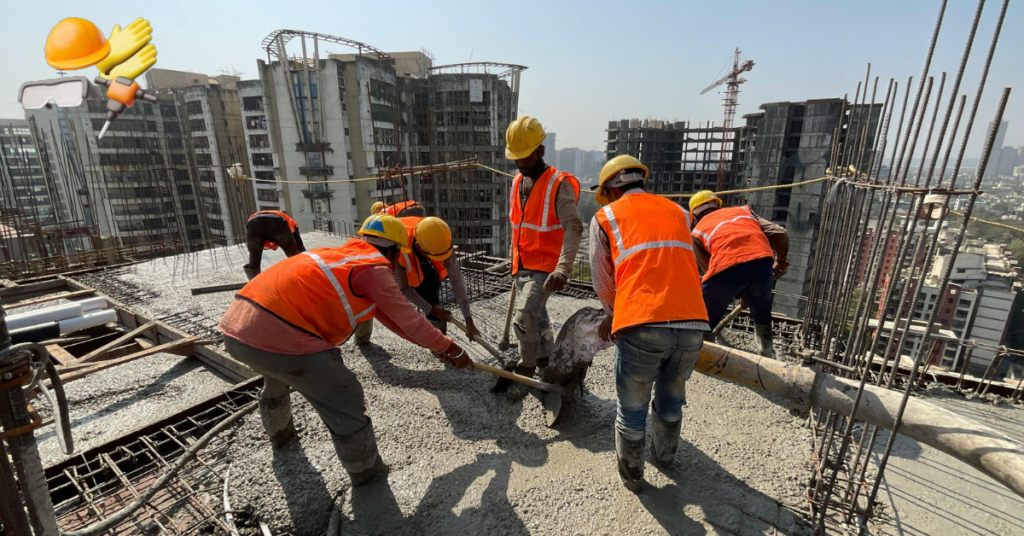
A construction worker usually works under a site supervisor, foreman, contractor, or project manager. The day often starts with a short briefing where workers learn their tasks, safety risks, and work areas.
After that, workers prepare tools, wear protective gear, and begin their assigned tasks. Some workers may move materials, some may help skilled trades, some may clean hazards, and others may support equipment operators.
Common daily tasks include loading and unloading materials, cleaning debris, preparing tools, measuring areas, mixing concrete, digging ground, helping tradespeople, setting up barriers, and following safety instructions.
A construction worker must pay attention to the environment because construction sites change quickly. Heavy machines, moving materials, ladders, scaffolding, wires, tools, and other workers may all be present at the same time.
Good communication is very important. Workers must listen carefully, ask questions when needed, and report unsafe conditions immediately.
Main Duties of a Construction Worker
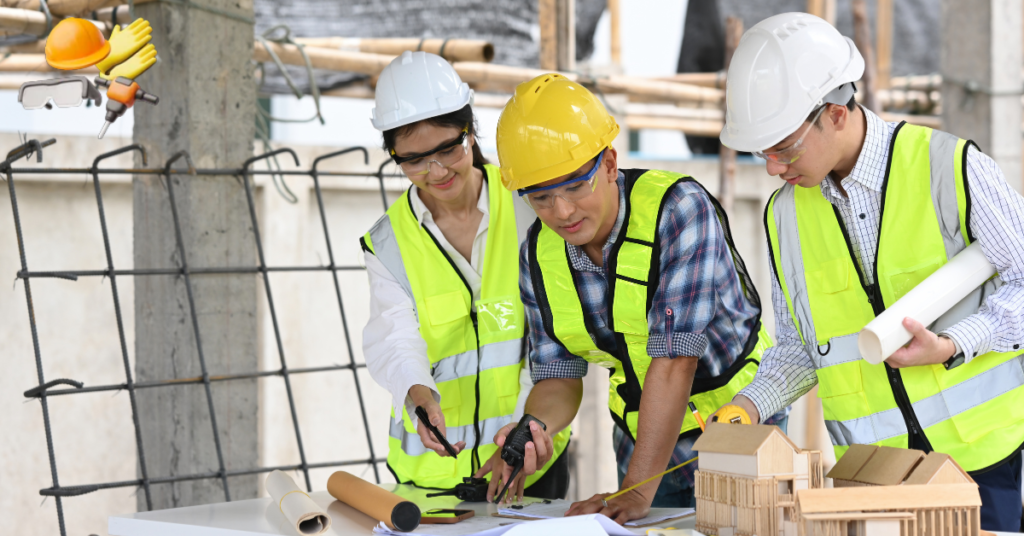
The exact duties of a construction worker depend on the project, company, and skill level. However, most workers handle a mix of physical tasks, support work, and safety responsibilities.
Site Preparation
Before construction begins, workers may help clear the site, remove debris, set up barriers, prepare access paths, and organize materials.
Site preparation is important because a clean and organized work area makes the project safer and faster. If materials are scattered or access paths are blocked, workers can waste time or face accidents.
Material Handling
Construction workers often move bricks, cement, wood, steel, pipes, tools, tiles, and other materials. Proper lifting and handling are important to avoid injuries.
A good construction worker knows how to carry materials safely, where to place them, and how to avoid blocking work areas.
Tool Assistance
A construction site uses many tools. Workers may use hammers, drills, shovels, saws, measuring tapes, levels, wheelbarrows, and power tools.
Beginners may start with simple tools and slowly learn more advanced equipment as they gain experience.
Supporting Skilled Trades
Many workers assist carpenters, plumbers, electricians, painters, roofers, masons, and machine operators. This helps beginners learn skills from experienced workers.
For example, a helper may carry pipes for a plumber, prepare wood for a carpenter, or clean the area for an electrician.
Cleaning and Safety
Clean work areas reduce accidents. Workers remove waste, organize tools, clear walking paths, and report unsafe conditions.
A safe site is not only the responsibility of the supervisor. Every construction worker must help keep the area safe.
Step-by-Step Guide to Becoming a Construction Worker
Step 1: Understand the Job
Before starting, understand that construction work is active, practical, and sometimes physically demanding. You may work outdoors, carry materials, stand for long hours, and follow strict safety rules.
This career is best for people who are hardworking, responsible, and willing to learn from experience.
Step 2: Build Basic Fitness
You do not need to be a bodybuilder, but basic fitness helps. Construction work often involves walking, lifting, bending, carrying, and working in different positions.
Good sleep, hydration, stretching, and safe lifting habits can help you perform better.
Step 3: Learn Basic Tools
A beginner construction worker should know common tools such as a hammer, measuring tape, drill, saw, shovel, level, wrench, screwdriver, wheelbarrow, and safety knife.
Knowing tool names and basic uses helps you follow instructions faster.
Step 4: Learn Safety Rules
Safety is one of the most important parts of construction work. A worker should understand personal protective equipment, ladder safety, fall protection, tool safety, electrical hazards, and emergency procedures.
Common safety gear includes a hard hat, safety shoes, gloves, safety glasses, high-visibility vest, ear protection, dust mask, respirator, and fall protection gear when required.
Step 5: Apply for Entry-Level Work
Many people start as construction laborers, helpers, site assistants, or apprentices. These roles help beginners gain real job-site experience.
You can look for work with construction companies, contractors, builders, renovation teams, roadwork companies, and maintenance businesses.
Step 6: Learn From Experienced Workers
A smart construction worker observes experienced workers carefully. Pay attention to how they measure, lift, organize, cut, install, and solve problems.
Respectful questions can help you learn faster and avoid mistakes.
Step 7: Choose a Skill Area
After gaining experience, choose a specialization. This can improve your career and earning potential.
Popular construction specializations include carpentry, masonry, roofing, plumbing support, electrical support, painting, concrete work, welding, equipment operation, safety assistance, and site supervision.
Step 8: Improve Communication
Construction is teamwork. Workers must understand instructions, give updates, and report problems. Poor communication can cause mistakes, delays, and safety risks.
Step 9: Keep Learning
Construction methods, tools, safety standards, and materials change over time. Workers who keep learning can grow faster in their careers.
Step 10: Build a Good Reputation
Employers value workers who are punctual, honest, safe, respectful, and hardworking. A strong reputation can bring better job offers and long-term opportunities.
Benefits of Being a Construction Worker

A construction worker career has many benefits for people who like practical work and career growth.
Entry-Level Opportunities
Many construction jobs do not require a college degree. Beginners can start with basic tasks and learn through experience.
This makes construction work a practical option for people who want to start earning while learning real skills.
Hands-On Skills
Construction teaches useful real-world skills. You learn how buildings are made, how tools work, how materials are used, and how teams complete projects.
These skills can also help in personal repair, renovation, and maintenance work.
Career Growth
A beginner can grow into a skilled trade worker, machine operator, supervisor, contractor, or safety professional.
A construction worker who learns consistently can build a strong long-term career.
Active Work
This job is good for people who do not want to sit at a desk all day. Construction work keeps you active and involved.
Visible Results
Construction workers can see the result of their effort. Building a home, road, shop, or office can give a strong sense of achievement.
Variety of Projects
Construction work changes by site, project, season, and task. This variety keeps the job interesting for many workers.
Disadvantages or Risks
Construction work also has challenges. It is important to understand them before choosing this career.
Physical Demand
The job may involve lifting, carrying, standing, bending, and working in difficult positions. Without proper care, the body can become tired or injured.
Weather Conditions
Many workers work outdoors in heat, cold, rain, or wind. Weather can affect comfort, speed, and safety.
Injury Risk
Construction sites may include falling objects, sharp tools, heavy machines, heights, electricity, dust, and slippery surfaces.
A careful construction worker follows safety rules to reduce these risks.
Irregular Work
Some jobs depend on project availability, weather, local demand, and company contracts. Work may not always be steady in every location.
Noise and Dust
Construction sites can be noisy and dusty. Workers may need hearing protection, masks, or respirators depending on the task.
Common Mistakes to Avoid
Ignoring Safety Gear
Never skip safety gear. A helmet, gloves, safety shoes, and eye protection can prevent serious injuries.
Rushing the Work
Speed is useful, but careless speed is dangerous. A professional construction worker focuses on safety and quality first.
Not Asking Questions
If you do not understand a task, ask. Guessing can waste time, damage materials, or create safety problems.
Poor Tool Handling
Tools should be used correctly and stored safely. Damaged or careless tool use can cause accidents.
Not Reporting Hazards
Loose wires, broken ladders, weak scaffolding, spills, and blocked pathways should be reported quickly.
Ignoring Team Communication
Construction work depends on teamwork. Poor communication can delay tasks and increase risk.
Key Skills Every Construction Worker Needs
A good construction worker needs more than physical strength. The best workers combine skill, discipline, and safety awareness.
Important skills include physical stamina, basic tool knowledge, teamwork, communication, problem-solving, time management, safety awareness, attention to detail, basic measurement skills, and the ability to follow instructions.
Beginners should focus on learning slowly and correctly. Intermediate workers should improve trade skills, leadership, and safety knowledge.
Construction Worker Safety Tips
Safety should always come first on a construction site.
Wear Proper PPE
Use the required safety gear for the task. This may include a hard hat, gloves, boots, safety glasses, and high-visibility clothing.
Keep the Site Clean
A clean site reduces slips, trips, falls, and tool-related accidents.
Use Tools Correctly
Do not use a tool unless you understand how it works. Always check tools before use.
Be Careful Around Machinery
Heavy machines need distance, attention, and clear communication. Never stand in blind spots.
Follow Ladder and Scaffold Rules
Falls are one of the biggest risks in construction. Use ladders and scaffolding correctly.
Report Unsafe Conditions
A responsible construction worker reports hazards instead of ignoring them.
Helpful External Resources
OSHA Construction Safety
This resource helps readers understand construction safety rules, hazards, and workplace protection.
CDC/NIOSH Construction Safety and Health
This resource is useful for learning about construction health risks, fall prevention, and worker safety research.
BLS Construction Laborers and Helpers
This resource explains job duties, training, pay, and career outlook for construction laborers and helpers.
Expert Tips
Focus on Safety First
A safe worker is more valuable than a fast but careless worker. Always check your surroundings before starting work.
Learn One Trade Deeply
General labor is a good start, but specialization can improve your future. Choose a trade such as carpentry, masonry, roofing, or equipment operation.
Stay Organized
Keep tools and materials in the right place. Organization saves time and reduces accidents.
Improve Basic Math
Construction often needs measuring, cutting, leveling, and estimating. Basic math can make you more accurate.
Respect Experienced Workers
Experienced workers can teach practical lessons that are not always found in books or videos.
Take Care of Your Body
Drink water, rest properly, use correct lifting methods, and avoid unsafe shortcuts.
Key Facts
A construction worker helps build, repair, maintain, or demolish structures. Many workers start with entry-level jobs and learn through experience. Safety training is important for every worker because construction sites can include serious hazards.
Common tasks include material handling, site cleaning, tool use, and trade support. Construction work can lead to skilled trades, supervision, equipment operation, safety work, or contracting.
The job requires teamwork, discipline, physical stamina, and attention to detail. PPE is necessary on most construction sites. Career growth depends on reliability, training, and skill development.
Comparison Table
| Category | Construction Worker | Skilled Trade Worker | Site Supervisor |
|---|---|---|---|
| Main Role | Supports site tasks and general labor | Performs specialized trade work | Manages daily site progress |
| Training Level | Beginner to intermediate | Specialized training or apprenticeship | Experience and leadership skills |
| Common Tasks | Carrying materials, cleaning, assisting | Carpentry, plumbing, roofing, masonry | Planning, safety checks, team management |
| Physical Work | High | Medium to high | Medium |
| Responsibility | Basic to moderate | Moderate to high | High |
| Best For | Beginners and hands-on learners | Workers wanting specialization | Experienced workers with leadership ability |
FAQs
1. What does a construction worker do?
A construction worker helps with practical tasks on construction sites. These tasks may include preparing sites, moving materials, cleaning hazards, using tools, and assisting skilled trades.
2. Is construction work good for beginners?
Yes, construction work can be good for beginners because many entry-level jobs provide on-the-job training. Beginners should focus on safety, discipline, and learning basic tools.
3. What skills does a construction worker need?
A construction worker needs physical stamina, communication, teamwork, basic tool knowledge, safety awareness, and attention to detail.
4. Is construction work dangerous?
Construction work can be risky because sites may include heights, heavy equipment, electricity, sharp tools, dust, and falling objects. Proper safety rules and PPE reduce the risk.
5. What safety equipment does a construction worker use?
Common safety equipment includes hard hats, safety shoes, gloves, safety glasses, high-visibility vests, hearing protection, dust masks, and fall protection gear when needed.
6. Can a construction worker become a supervisor?
Yes, with experience, training, and leadership skills, a construction worker can become a team leader, foreman, site supervisor, or project coordinator.
7. Do construction workers need a degree?
Many entry-level construction jobs do not require a college degree. However, training, certificates, and apprenticeships can improve career opportunities.
8. What is the difference between a construction worker and a construction laborer?
A construction laborer usually performs general site tasks. A construction worker is a broader term that can include laborers, helpers, and some skilled workers.
9. How can construction workers avoid injuries?
Workers can avoid injuries by wearing PPE, following safety rules, using tools correctly, reporting hazards, staying alert, and using proper lifting techniques.
10. What is the best career path after construction labor work?
A worker can move into carpentry, masonry, roofing, plumbing support, electrical support, equipment operation, safety work, or site supervision.
Conclusion
A construction worker is an important part of every construction project. From preparing sites and moving materials to supporting skilled trades and following safety rules, construction workers help turn plans into strong and useful structures.
This career is a good option for beginners who want hands-on work and practical skills. It also offers growth for workers who want to specialize, learn a trade, operate equipment, or become supervisors.
The most successful workers are not only physically strong. They are careful, reliable, safety-focused, and willing to learn. A good construction worker understands that every task matters, whether it is cleaning a walkway, carrying materials, measuring an area, or helping a skilled tradesperson.
For long-term success, focus on safety, communication, skill development, and discipline. With the right attitude and training, construction work can become a strong and rewarding career path.