
Introduction
Parapet roof design is an important part of modern house construction because it improves both safety and appearance. A parapet is a low wall built along the edge of a roof, balcony, terrace, or building boundary. In roof construction, a parapet wall protects people from falling, hides roof elements, improves the front elevation, and gives the building a clean finished look.
Many homeowners think a parapet is only a decorative wall, but it has several practical uses. It helps protect the roof edge, supports waterproofing details, controls rainwater flow, and can also hide water tanks, solar panels, pipes, and other services. In modern homes, parapet designs are used to create stylish elevations with simple lines, geometric patterns, glass details, concrete bands, tiles, grills, and lighting.
A good parapet roof is not only about beauty. It must be strong, safe, properly waterproofed, and suitable for the climate. Poor design can cause cracks, leakage, dampness, and safety issues. That is why planning the parapet carefully is very important before construction starts.
In this complete guide, you will learn the meaning of parapet roof design, its types, benefits, materials, construction tips, common mistakes, and modern design ideas for residential buildings.
What Is Parapet Roof Design?

Parapet roof design means the planning and construction of a protective wall around the edge of a roof. This wall can be simple, decorative, modern, traditional, or functional depending on the building style.
In simple words, a parapet roof is a roof with a small boundary wall around it. This wall creates safety for people using the roof and gives the building a finished appearance from the outside.
Parapet walls are commonly used in houses with flat roofs. In many residential buildings, the roof is used for water tanks, storage, solar panels, laundry space, or sitting areas. A parapet wall makes this space safer and more useful.
A parapet can be made with brick, concrete, RCC, blocks, stone, metal railing, glass, or a combination of materials. The height and thickness depend on the building design, safety needs, local construction rules, and roof usage.
A well-designed parapet also improves the front elevation of the house. It can make a simple house look modern, premium, and well-planned.
Why Is Parapet Roof Design Important?
Parapet roof design is important because it adds safety, protection, and beauty to a building. Without a parapet wall, a flat roof can be unsafe, especially for families, children, workers, and people who regularly use the rooftop.
The parapet also protects the roof edge from damage. Roof edges are exposed to sun, rain, wind, and temperature changes. A parapet wall helps cover and support these edges.
Another important use is waterproofing. The joint between roof slab and wall is often a weak point where water can enter. A properly designed parapet with correct waterproofing details can reduce leakage problems.
From the outside, the parapet improves the elevation. It hides rough roof edges and makes the building look more complete. It can also hide water tanks, plumbing pipes, AC outdoor units, and solar panel supports.
For modern homes, parapet design plays a big role in curb appeal. A stylish parapet can make the house look expensive and attractive without changing the full structure.
Main Functions of a Parapet Roof
A parapet roof has many functions. Some are related to safety, while others are related to design and protection.
Safety Protection
The most important function of a parapet is safety. It creates a boundary around the roof and reduces the risk of falling from the edge.
This is especially important if the roof is used frequently for sitting, drying clothes, maintenance, or water tank access.
Roof Edge Protection
Roof edges can crack or break over time if they are not protected. A parapet wall provides extra protection to the edges of the slab.
It also gives a proper finishing line to the roof.
Improved Building Elevation
A parapet can completely change the look of a house. Simple vertical walls, modern grooves, stone cladding, concrete lines, and lighting can make the building look more attractive.
Hiding Roof Elements
Water tanks, pipes, dish antennas, solar panels, and AC units can make a roof look messy. A parapet helps hide these items from the front view.
Better Waterproofing Support
A parapet wall supports waterproofing treatment at roof edges. With proper slope, coping, and sealant, it helps control water movement.
Wind and Dust Control
In some areas, parapets reduce direct wind flow on the roof surface. They can also help control dust entering certain roof areas.
Popular Types of Parapet Roof Design
There are different types of parapet roof designs used in residential buildings. The right choice depends on your house style, budget, and construction needs.
Plain Parapet Roof Design
A plain parapet is the simplest type. It has a clean wall around the roof without heavy decoration.
This design is best for budget-friendly homes, simple buildings, and minimalist architecture. It is easy to build and maintain.
A plain parapet can still look beautiful if it has good plaster, paint, waterproofing, and clean finishing.
Modern Parapet Roof Design
Modern parapet designs use straight lines, smooth finishes, neutral colors, and geometric shapes. These designs are popular in urban homes.
A modern parapet may include grooves, rectangular patterns, vertical panels, metal strips, or hidden lighting.
This style gives the house a premium and updated look.
RCC Parapet Roof Design
RCC parapets are made with reinforced cement concrete. They are strong and durable when built properly.
RCC parapets are often used where extra strength is required. They are suitable for modern houses, multi-story buildings, and areas where long-lasting construction is needed.
Brick Parapet Roof Design
Brick parapets are very common in residential construction. They are made with brick masonry and then finished with plaster and paint.
This type is affordable, easy to build, and suitable for most houses. However, it needs proper waterproofing to prevent dampness and cracks.
Glass Parapet Design
Glass parapets are used in luxury homes, terraces, and balconies. They give a modern and open appearance.
Glass parapets look stylish, but they need quality materials, strong fixing systems, and regular cleaning.
For roof edges, glass should be used carefully with safety standards.
Metal Railing Parapet Design
Some parapets combine a low wall with metal railing. This design gives safety while keeping the roof open and airy.
Metal railings can be made with steel, iron, or aluminum. They can be simple or decorative depending on the house style.
Stone Cladding Parapet Design
Stone cladding gives a strong and premium look to the parapet. It is commonly used on front elevation parapets.
Natural stone or artificial stone tiles can be used. This design looks attractive but may increase cost.
Tile-Finished Parapet Design
Tiles are used to protect and decorate parapet walls. Exterior tiles can improve water resistance and reduce maintenance.
This style is common in areas with heavy rain or dust because tiles are easier to clean than painted surfaces.
Best Materials for Parapet Roof Design
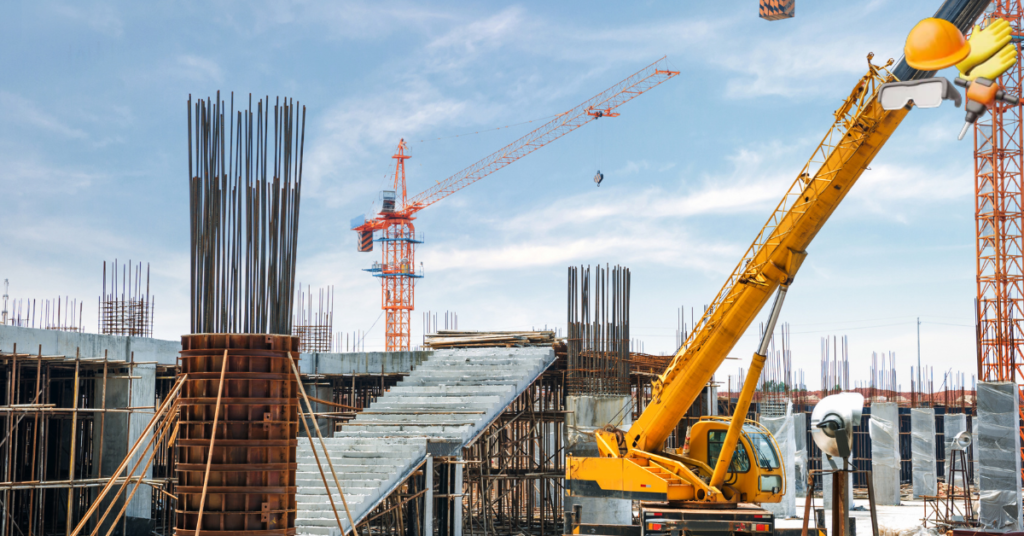
Choosing the right material is important for strength, appearance, and durability. Every material has its own benefits.
Bricks
Bricks are widely used for parapet construction. They are affordable, available, and easy to work with.
Brick parapets need good plaster and waterproofing because moisture can enter through joints if finishing is poor.
Concrete Blocks
Concrete blocks are also used for parapet walls. They are bigger than bricks, so construction can be faster.
They provide good strength when used properly.
RCC
RCC is strong and durable. It is suitable for high-strength parapets and modern designs.
RCC parapets require proper shuttering, steel reinforcement, concrete mix, and curing.
Steel
Steel is used in railings and decorative elements. It gives a clean and modern look.
Steel must be painted or coated to prevent rust, especially in rainy or humid areas.
Glass
Glass gives a luxury look. It is best for modern terraces and balcony-style roof edges.
Tempered or laminated safety glass should be used for better safety.
Stone
Stone gives a natural and premium appearance. It is good for front elevation but must be fixed properly.
Poor fixing can cause stone pieces to loosen over time.
Exterior Paint
Exterior paint is used for finishing parapet walls. Good-quality weather-resistant paint protects the wall from sunlight and rain.
Ideal Height for Parapet Roof Design
The height of a parapet wall depends on safety needs, local rules, and roof usage. For residential roofs, parapet height is commonly kept around a safe boundary level so people can move on the roof without feeling exposed.
If the roof is used regularly by family members, the parapet should be high enough to provide safety. If the roof is rarely used, the height may be lower, but safety should never be ignored.
For homes with children, a higher and stronger parapet is usually better. If railing is used above a low wall, the total height should still provide proper protection.
The parapet should not be designed only for looks. It must be practical, stable, and safe for daily use.
Modern Parapet Roof Design Ideas
A good parapet can improve the full appearance of your home. Here are some useful design ideas.
Minimalist White Parapet
A white parapet with simple lines gives a clean and modern look. It is best for small and medium-sized homes.
This design works well with grey, black, beige, or wooden textures.
Black and White Parapet Design
Black and white combinations are popular in modern elevation design. A white wall with black grooves or panels can make the house look stylish.
This design is simple but attractive.
Parapet with LED Lights
LED strip lights or wall lights can make the parapet look beautiful at night. Lights can be placed under coping, along grooves, or on vertical panels.
This style is good for premium front elevations.
Parapet with Stone Cladding
Stone cladding on the front parapet gives a natural and strong appearance. It can be used on selected areas instead of covering the full wall.
This keeps the design balanced and cost-effective.
Parapet with Metal Lines
Metal strips or railing details can add a modern touch. Black metal lines are especially popular in contemporary homes.
They work well with white, grey, and concrete-texture walls.
Parapet with Glass Railing
Glass railing gives an open and luxury feel. It is suitable for terrace-style roofs where the view is important.
This design is more expensive but gives a premium result.
Geometric Parapet Design
Geometric shapes such as rectangles, vertical panels, and box patterns create a stylish elevation.
This design is suitable for modern houses with clean architecture.
Traditional Parapet Design
Traditional parapets may include curves, moldings, small pillars, or decorative patterns.
This style is suitable for classic homes or houses with traditional front elevations.
Waterproofing in Parapet Roof Design
Waterproofing is one of the most important parts of parapet roof design. Many roof leakage problems start near parapet walls because water collects at the junction between the roof slab and the wall.
A good parapet should have proper slope, waterproofing layer, coping, and drainage. The roof surface should slope toward the drain so water does not stay near the parapet.
The inside corner where the roof meets the parapet should be treated carefully. Waterproofing material should continue up the parapet wall to create protection.
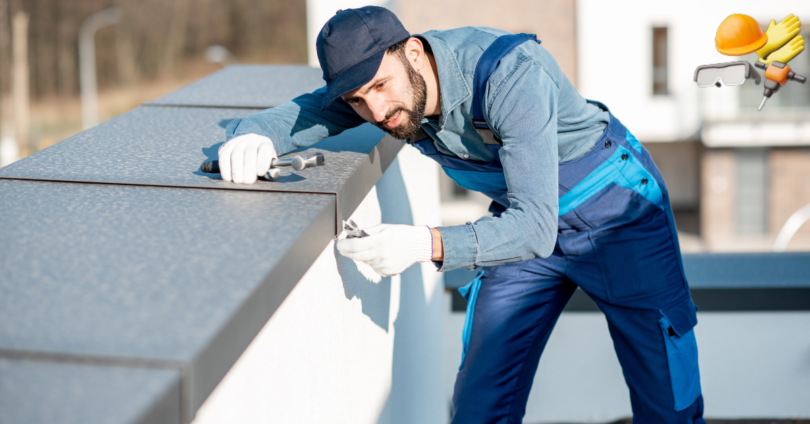
Coping is also important. It is the top covering of the parapet wall. It protects the wall from rainwater entering from the top. Coping can be made with concrete, stone, tile, or metal.
If the top of the parapet is flat and unprotected, rainwater can enter the wall and cause dampness, paint damage, cracks, and leakage.
Parapet Coping Design
Coping is the finishing cap placed on top of the parapet wall. It protects the parapet from rain and weather damage.
A good coping design should have a slight slope so water can flow away. It should also extend slightly beyond the wall face to stop water from running down the wall.
Common coping materials include concrete, stone, tiles, and metal sheets.
Concrete coping is strong and common. Stone coping gives a premium look. Tile coping is easy to clean. Metal coping is modern but needs proper fixing.
Without coping, the parapet may absorb water, which can lead to cracks and dampness.
Drainage Planning for Parapet Roofs
Drainage is very important in flat roof construction. A parapet wall surrounds the roof, so water needs a proper path to leave the roof.
If drainage is poor, rainwater may stay on the roof and cause leakage. It can also damage waterproofing, paint, and concrete.
Roof drains should be placed at the correct points. The roof slope should guide water toward these drains. In some designs, scuppers are used to allow water to pass through the parapet.
Regular cleaning is also important. Leaves, dust, plastic, and debris can block drains and create water ponding.
Safety Tips for Parapet Roof Design
Safety should always come before decoration. A beautiful parapet is not useful if it is weak or unsafe.
The parapet should be strong enough to resist pressure. People may lean on it, children may touch it, and workers may use it during maintenance.
Avoid very low parapets if the roof is used often. A low wall may look modern, but it can be unsafe.
If glass or railing is used, make sure the fixing system is strong. Loose railing or weak glass can be dangerous.
Avoid sharp edges where people may get hurt. Use smooth finishing and proper coping.
For homes with children, avoid climbable horizontal bars or decorative steps near the parapet.
Cost Factors in Parapet Roof Design
The cost of a parapet depends on design, material, height, finishing, and labor. A simple brick parapet with plaster and paint is usually more affordable.
A modern parapet with stone cladding, glass railing, metal strips, or lighting will cost more.
The total length of the roof edge also affects cost. Larger roofs need more material and labor.
Waterproofing and coping also add cost, but they are necessary. Saving money by skipping waterproofing can create expensive leakage problems later.
Labor quality matters too. Skilled workers may charge more, but they can provide better finishing and reduce future repair costs.
Common Mistakes in Parapet Roof Design
Many homeowners focus only on appearance and ignore technical details. This can lead to problems later.
Making the Parapet Too Low
A very low parapet may look clean, but it can be unsafe. Safety should always be considered, especially if the roof is used regularly.
Ignoring Waterproofing
Poor waterproofing near parapet walls is a common reason for roof leakage. The roof-wall joint must be properly sealed.
No Coping on Top
Without coping, rainwater can enter the parapet wall from the top. This causes dampness, cracks, and paint damage.
Poor Drainage
If roof water does not drain properly, it can collect near the parapet. Standing water can damage the roof and waterproofing layer.
Weak Construction
A parapet wall must be strong and stable. Poor masonry, weak mortar, or bad concrete work can make it unsafe.
Overdecorating the Parapet
Too many design elements can make the house look heavy and messy. Simple designs often look more elegant.
Using Indoor Materials Outside
Interior tiles, paints, or weak decorative materials should not be used on exterior parapets. Outdoor areas need weather-resistant materials.
Not Matching the House Elevation
The parapet should match the full house design. A modern parapet may not suit a traditional house, and a heavy traditional design may not suit a minimalist home.
Best Colors for Parapet Roof Design
Color plays a major role in the final look of a parapet. The right color can make the house look modern, clean, and attractive.
White is a popular choice because it gives a clean and spacious look. Grey is also modern and easy to match with other colors.
Black is often used for lines, borders, grooves, or metal details. It creates contrast and gives a premium appearance.
Beige, cream, and light brown are good for warm and traditional designs. These colors work well with stone and wood textures.
For a modern house, using two or three colors is usually enough. Too many colors can make the elevation look confusing.
Parapet Roof Design for Small Houses
Small houses need smart parapet designs. Heavy decoration can make a small house look crowded.
For small homes, simple lines, light colors, and clean patterns work best. A plain parapet with one accent color can look elegant.
Vertical grooves can make the house look taller. Horizontal bands can make the house look wider.
Avoid oversized decorative elements on small parapets. Keep the design neat and balanced.
Lighting can also improve the look at night without taking much space.
Parapet Roof Design for Modern Villas
Modern villas often use bold parapet designs. These may include wide concrete bands, glass railings, stone cladding, wood-texture panels, and hidden lighting.
The parapet is usually designed as part of the full elevation. It may connect visually with balconies, windows, and entrance features.
For luxury homes, parapets can also hide roof gardens, seating areas, and service equipment.
The key is balance. A villa parapet should look premium but not overloaded.
Parapet Roof Design for Terraces
Terrace roofs are used for sitting, gardening, exercise, or family gatherings. For this reason, terrace parapets should be safe, comfortable, and attractive.
A terrace parapet may include a solid wall, railing, planter boxes, seating edges, or decorative lighting.
If privacy is needed, the parapet can be made higher or combined with screens.
For open views, glass railing or metal railing can be used.
Waterproofing is especially important for terrace roofs because they are exposed to rain, foot traffic, and furniture.
Maintenance Tips for Parapet Roof Design
Regular maintenance keeps the parapet strong and beautiful for a long time.
Check the parapet for cracks after every rainy season. Small cracks should be repaired quickly.
Inspect the top coping. If coping is broken or loose, water can enter the wall.
Clean roof drains regularly. Blocked drains can cause water to collect near the parapet.
Repaint exterior parapet walls when paint starts peeling. Use weather-resistant paint for better protection.
Check metal railings for rust. Repaint or coat them when needed.
Inspect glass panels and railing fixings if your parapet uses glass.
Keep plants and heavy items away from weak parapet edges unless the structure is designed for them.
Expert Tips for Better Parapet Roof Design
Plan the parapet during the main design stage, not after construction. This helps create a better elevation and safer roof.
Choose a design that matches the house style. A simple modern house needs a clean parapet, while a traditional house may need soft decorative details.
Do not compromise on waterproofing. A beautiful parapet can become a problem if water starts entering the roof.
Use good-quality exterior materials. Parapets face sun, rain, dust, and wind, so weak materials will not last long.
Keep the design practical. Leave space for roof drains, water tank access, solar panels, and maintenance work.
Hire skilled workers for finishing. Poor plaster, uneven lines, and rough paint can ruin the full look.
Use lighting carefully. Too much lighting can look cheap, while soft lighting can make the elevation look premium.
FAQs About Parapet Roof Design
What is a parapet roof?
A parapet roof is a roof with a low protective wall built around its edge. It improves safety, protects the roof edge, and enhances the building elevation.
What is the main purpose of parapet roof design?
The main purpose of parapet roof design is to provide safety, improve appearance, protect roof edges, support waterproofing, and hide roof equipment.
Is parapet necessary for a house?
A parapet is very useful for houses with flat roofs. It improves safety and gives the building a finished look.
Which material is best for parapet walls?
Brick, RCC, concrete blocks, steel railing, glass, and stone can be used. The best material depends on design, budget, safety needs, and climate.
What is the ideal height of a parapet wall?
The ideal height depends on roof usage and local construction rules. For safety, the parapet should be high enough to protect people using the roof.
Can a parapet stop roof leakage?
A parapet alone cannot stop leakage, but proper parapet waterproofing, coping, and drainage can help prevent water problems.
Is glass parapet safe for roofs?
Glass parapets can be safe if tempered or laminated safety glass is used with strong fixing systems. Poor-quality glass or weak fittings should be avoided.
How can I make my parapet look modern?
Use clean lines, neutral colors, geometric patterns, stone cladding, metal details, and soft LED lighting for a modern look.
Why does water leakage happen near parapet walls?
Leakage often happens because of poor waterproofing, cracks, flat coping, blocked drains, or weak joints between roof slab and parapet wall.
Is parapet roof design expensive?
Simple parapets are affordable, while modern designs with glass, stone, metal, and lighting cost more. The final cost depends on materials, height, length, and finishing.
Conclusion
Parapet roof design is an important part of house construction because it provides safety, protection, and beauty. A parapet wall creates a secure boundary around the roof, protects roof edges, supports waterproofing, and improves the front elevation of the building.
A good parapet should not be designed only for appearance. It must be strong, safe, weather-resistant, and properly waterproofed. Materials such as brick, RCC, concrete blocks, steel, glass, stone, and tiles can be used depending on the style and budget. Simple parapets are best for budget homes, while modern parapets with glass, lighting, and cladding are suitable for premium designs.
The most common mistakes in parapet construction include poor waterproofing, low height, weak coping, bad drainage, and overdecorated designs. These mistakes can create leakage, cracks, dampness, and safety risks.
Before choosing a parapet style, consider your house design, roof usage, climate, budget, and maintenance needs. With proper planning and quality construction, a parapet can make your roof safer and your home more attractive for many years.