

Introduction
RCC house meaning is one of the most common questions asked by people who are planning to build a new home. RCC stands for Reinforced Cement Concrete. It is a construction method where concrete is strengthened with steel bars to make the structure strong, safe, and long-lasting.
In simple words, an RCC house is a house built with concrete and steel reinforcement. The concrete handles compression, while the steel bars handle tension. When both materials work together, they create a strong structure that can support walls, slabs, beams, columns, and roofs.
Today, RCC construction is widely used in residential buildings, commercial buildings, apartments, bridges, and other structures. Many modern homes are built using RCC because it offers better strength, durability, and safety compared to many traditional construction methods.
Understanding RCC house meaning is important before starting any construction project. It helps homeowners know what type of structure they are building, how strong it will be, and why proper planning is necessary.
What Is RCC House Meaning?
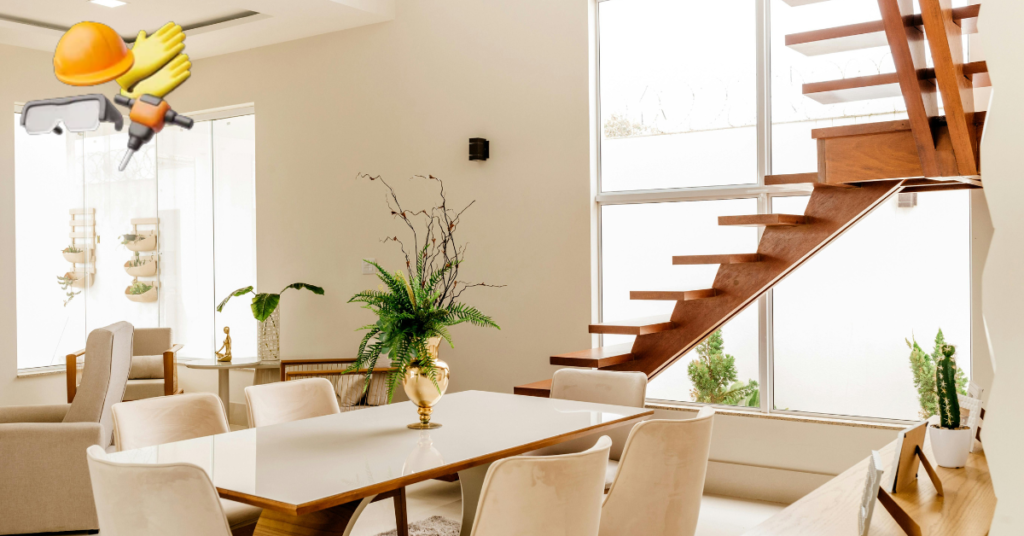
RCC house meaning refers to a house made with Reinforced Cement Concrete. RCC is a mixture of cement, sand, aggregate, water, and steel reinforcement bars.
The concrete mixture becomes hard after curing, while the steel bars inside the concrete provide extra strength. This combination makes the building strong enough to carry heavy loads and resist pressure.
An RCC house usually includes RCC columns, beams, slabs, footing, and sometimes staircases. These parts work together to create the main structural frame of the house.
For example, when you see a modern house with concrete roof slabs and strong vertical columns, it is usually an RCC structure. The walls may be made of bricks or blocks, but the main strength comes from the RCC frame.
Why Is RCC Used in House Construction?
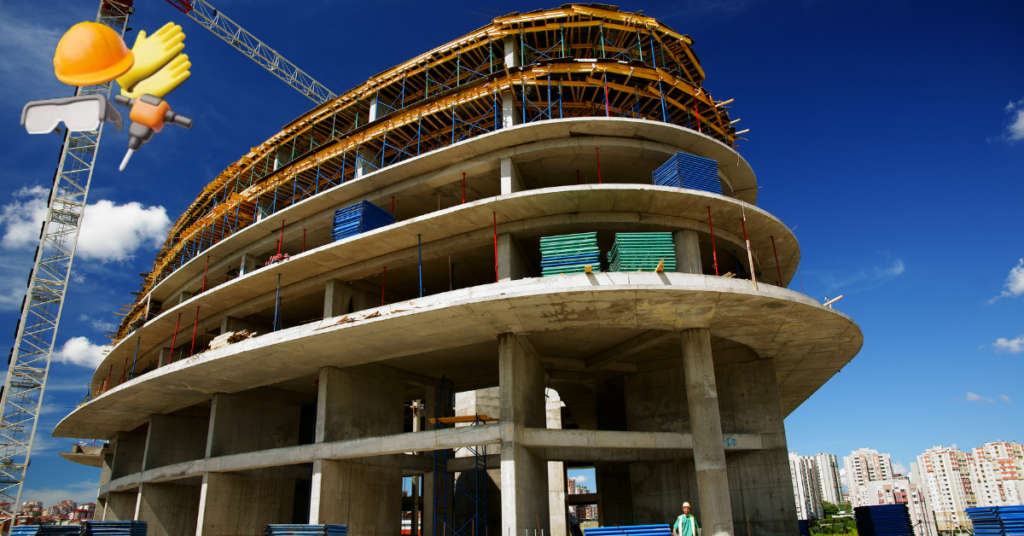
RCC is used in house construction because it provides strength, stability, and durability. A house needs to carry the weight of walls, roof, furniture, people, and sometimes additional floors. RCC helps the structure handle these loads safely.
Another reason RCC is popular is its flexibility in design. Builders can create different shapes, room sizes, roof styles, balconies, staircases, and multi-floor structures using RCC.
RCC also performs well in different weather conditions. With proper construction and curing, an RCC house can last for many years with less structural damage.
For homeowners, RCC is a trusted choice because it gives better safety and long-term value.
Main Materials Used in an RCC House
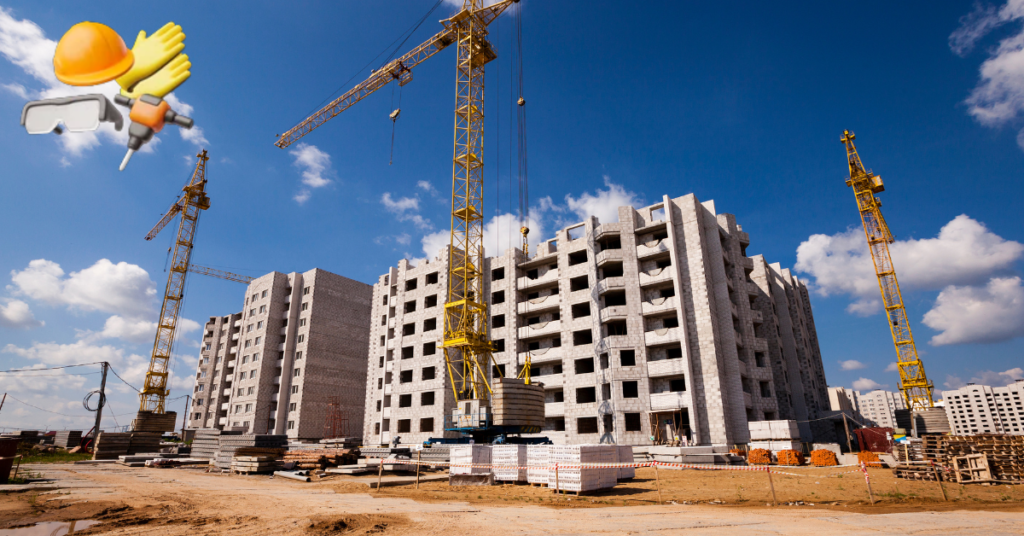
The quality of an RCC house depends on the materials used during construction. If the material quality is poor, the structure may become weak over time.
Cement
Cement is the binding material in concrete. It holds sand and aggregate together after mixing with water. Good quality cement is important for strong RCC work.
Sand
Sand is used as a fine aggregate in the concrete mix. Clean and well-graded sand helps improve the strength and finish of concrete.
Aggregate
Aggregate means small stones or crushed material used in concrete. It gives volume and strength to the concrete mix.
Water
Water is used to mix cement, sand, and aggregate. Clean water is necessary because dirty water can affect concrete strength.
Steel Bars
Steel bars are the most important part of reinforced concrete. They are placed inside concrete to improve tensile strength. Without steel reinforcement, concrete can crack more easily under tension.
Important Parts of an RCC House
An RCC house has different structural parts. Each part has a specific role in keeping the house strong and stable.
Foundation
The foundation is the base of the house. It transfers the load of the entire building to the ground. A strong foundation is very important for an RCC house.
Columns
Columns are vertical members that carry loads from the roof and upper floors to the foundation. In RCC houses, columns are usually made with concrete and steel bars.
Beams
Beams are horizontal members that connect columns and support slabs. They help transfer the weight of the roof or floor to the columns.
Slab
The slab is the flat concrete surface used for floors and roofs. RCC slabs are common in modern houses because they are strong and durable.
Staircase
Many RCC houses also have reinforced concrete staircases. RCC stairs are strong and can be designed in different shapes.
Benefits of RCC House
There are many benefits of building an RCC house. This is why RCC is one of the most popular construction methods today.
Strong Structure
The biggest benefit of RCC construction is strength. Concrete and steel together make the house strong enough to carry heavy loads.
Long Life
A properly built RCC house can last for many years. With good material, proper design, and regular maintenance, the structure remains durable.
Better Safety
RCC houses provide better safety against heavy loads, weather changes, and structural pressure. Properly designed RCC structures can also perform better during natural stress.
Design Flexibility
RCC allows builders to create different designs. You can build large rooms, balconies, open spaces, and multi-floor houses with RCC.
Fire Resistance
Concrete has good fire resistance compared to some other building materials. This makes RCC structures safer in certain conditions.
Suitable for Multi-Floor Buildings
RCC is commonly used for buildings with more than one floor. It provides the required strength for upper floors.
Disadvantages of RCC House
Although RCC houses are strong and popular, they also have some disadvantages.
Higher Initial Cost
RCC construction can be more expensive than simple traditional construction. It requires cement, steel, skilled labor, shuttering, and proper supervision.
Needs Skilled Workers
RCC work must be done carefully. Wrong steel placement, poor concrete mix, or weak curing can reduce the strength of the structure.
Takes Time
RCC construction needs proper setting and curing time. You cannot rush the process if you want a strong structure.
Difficult to Repair
If major damage happens inside the RCC structure, repair can be difficult and costly. That is why quality construction from the start is important.
Heavy Structure
RCC structures are heavy. The foundation must be designed properly to support the total weight of the building.
RCC House Construction Process
The construction process of an RCC house includes several steps. Each step must be done correctly for a strong and safe building.
Site Planning
Before construction starts, the site is checked and planned. The layout, soil condition, house design, and construction requirements are discussed.
Structural Design
A qualified engineer prepares the structural design. This includes the size of columns, beams, slab thickness, steel bar details, and foundation design.
Foundation Work
The foundation is built first. It must be strong enough to carry the load of the entire house.
Steel Fixing
Steel bars are placed according to the structural drawing. Proper spacing and placement are very important in RCC work.
Shuttering
Shuttering is used to hold wet concrete in shape until it becomes hard. It is usually made with wood, steel, or other materials.
Concrete Pouring
Concrete is poured into the prepared area. It must be mixed properly and placed carefully to avoid weak spots.
Curing
Curing means keeping the concrete wet for a specific time after pouring. This helps concrete gain strength. Poor curing can cause cracks and weak concrete.
Brickwork and Finishing
After the RCC frame is ready, brick walls, plaster, flooring, doors, windows, painting, and other finishing works are completed.
RCC House vs Normal Brick House
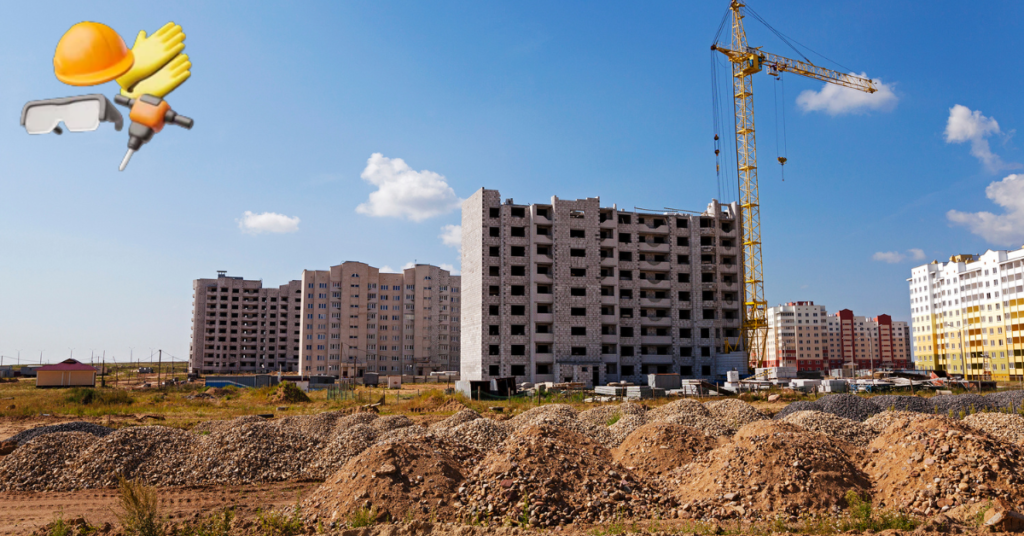
Many people confuse an RCC house with a normal brick house. The main difference is the structural system.
In an RCC house, the main load is carried by RCC columns, beams, slabs, and foundation. Brick walls are mostly used for partition and enclosure.
In a normal brick house, load-bearing walls carry most of the weight. This type of construction may be suitable for small buildings, but it has more design limitations.
RCC houses are usually better for multi-floor buildings, modern layouts, and stronger structural performance.
Is RCC House Strong?
Yes, an RCC house is strong when it is designed and constructed properly. The strength depends on material quality, concrete mix ratio, steel reinforcement, curing, foundation, and engineering design.
However, RCC does not automatically mean strong if the work is done poorly. Bad cement, weak steel, wrong bar placement, poor mixing, and no curing can make an RCC structure weak.
That is why homeowners should always hire experienced engineers, contractors, and skilled workers for RCC construction.
Common Mistakes in RCC House Construction
Many construction problems happen because of small mistakes during RCC work. These mistakes can reduce the life and safety of the building.
One common mistake is using poor quality materials. Cheap cement, weak steel, or dirty sand can affect the strength of concrete.
Another mistake is ignoring structural drawings. Steel bars should be placed according to the engineer’s design, not by guesswork.
Poor curing is also a major problem. If concrete is not cured properly, it may develop cracks and lose strength.
Some people also try to save money by reducing steel or cement. This can be risky because the structure may not perform safely in the future.
Tips Before Building an RCC House
Before building an RCC house, always prepare a proper plan. Do not start construction without a drawing and estimate.
Hire a qualified engineer for structural design. This is very important, especially if you are building more than one floor.
Use good quality cement, steel, sand, and aggregate. Saving money on poor materials can create bigger problems later.
Make sure the concrete mix is correct. Proper ratio and mixing improve strength.
Supervise steel placement before concrete pouring. Once concrete is poured, it becomes difficult to check the reinforcement.
Do proper curing after RCC work. Curing is one of the most important steps in concrete strength development.
FAQs
What is the meaning of RCC house?
RCC house meaning is a house built using Reinforced Cement Concrete. It includes concrete strengthened with steel bars for better strength and durability.
What does RCC stand for?
RCC stands for Reinforced Cement Concrete. It is a combination of concrete and steel reinforcement.
Is an RCC house good?
Yes, an RCC house is good because it is strong, durable, and suitable for modern construction. However, it must be designed and built properly.
Is RCC better than brick construction?
RCC is usually better for modern layouts, multi-floor buildings, and stronger structural frames. Brick construction may be suitable for smaller and simpler buildings.
How long can an RCC house last?
A properly built RCC house can last for many years. Its life depends on material quality, design, construction method, maintenance, and weather conditions.
Why is steel used in RCC?
Steel is used in RCC because concrete is strong in compression but weak in tension. Steel improves tensile strength and helps prevent structural failure.
Can RCC houses have more floors?
Yes, RCC houses can have more floors if the foundation, columns, beams, and slabs are designed correctly by an engineer.
Is RCC construction expensive?
RCC construction can be more expensive at the start because it requires cement, steel, shuttering, skilled labor, and proper supervision. However, it gives long-term strength and value.
Expert Tips
Always take soil testing seriously before construction. Soil condition affects the foundation design of an RCC house.
Never pour concrete without checking steel placement. The steel must be in the correct position as per the structural drawing.
Do not remove shuttering too early. Concrete needs time to gain strength.
Keep proper curing for better results. Curing improves concrete strength and reduces cracks.
Use professional supervision during major RCC work. A small mistake in columns, beams, or slabs can create serious problems later.
Conclusion
RCC house meaning is simple: it means a house built with Reinforced Cement Concrete. RCC combines concrete and steel bars to create a strong, durable, and safe structure. This construction method is widely used in modern homes because it supports strong foundations, columns, beams, slabs, and multi-floor buildings.
An RCC house is a good choice for people who want long-term strength and design flexibility. It allows modern layouts, strong roofs, wide rooms, and better structural support. However, the quality of an RCC house depends on proper design, good materials, skilled labor, and correct curing.
Before building an RCC house, always work with a qualified engineer and experienced contractor. Do not compromise on steel, cement, foundation, or curing. A well-built RCC house can provide safety, comfort, and value for many years.