
The real estate business is not only about buying land, selling properties, building homes, or managing commercial spaces. Behind every apartment, office tower, warehouse, showroom, and housing project, there is a complete system of construction work, site management, labor safety, fire protection, electrical work, road access, and industrial safety planning.
In India, the real estate sector is growing quickly, but safety is still one of the most important areas that many beginners ignore. A successful real estate project is not just measured by design, location, or profit. It is also measured by how safely the project is planned, built, and maintained.
Whether you are a builder, contractor, property developer, site supervisor, investor, architect, or beginner trying to understand the real estate market, safety equipment and PPE should always be part of your planning.
From safety helmets and safety shoes to fire safety equipment, safety gloves, fall protection equipment, and road safety equipment, every item plays a role in protecting workers, buyers, visitors, and future occupants.
What Is the Real Estate Business?

The real estate business includes activities related to land, buildings, property development, buying, selling, renting, construction, and property management. It can involve residential projects, commercial properties, industrial buildings, warehouses, malls, offices, and mixed-use developments.
For beginners, real estate may look like a simple business of property buying and selling. However, in reality, it includes many stages. These stages may include land selection, project planning, approvals, construction, marketing, sales, maintenance, and long-term safety compliance.
For example, a builder developing a residential apartment project has to manage architects, engineers, contractors, electricians, plumbers, labor workers, safety officers, material suppliers, and government approvals. During construction, hundreds of workers may be present on-site every day.
This is where workplace safety becomes extremely important. Without proper safety gear and personal protective equipment, workers may face risks from falling objects, electrical hazards, sharp materials, heavy machines, dust, fire, slippery surfaces, and height-related work.
A responsible real estate business does not only focus on completing the project. It also focuses on completing the project safely.
Why Safety Matters in the Real Estate Business

Safety is one of the strongest foundations of a successful real estate project. In India, construction sites are often busy, crowded, and full of moving materials, tools, vehicles, and workers. Even a small mistake can cause serious injury, delay the project, increase costs, or damage the company’s reputation.
For real estate developers, safety is not an optional activity. It is directly connected with project quality, legal responsibility, worker confidence, and buyer trust.
A site that follows construction safety practices usually works more smoothly. Workers feel more secure, supervisors can manage tasks better, and project owners can reduce accidents and delays.
For example, if workers are wearing safety helmets, safety shoes, safety gloves, and fall protection equipment, the risk of injury is reduced during daily work. If fire safety equipment is installed and checked properly, the site becomes better prepared for emergencies.
In the real estate business, safety also matters after construction. A building must be safe for residents, office workers, visitors, maintenance teams, and emergency services. This includes fire exits, electrical safety, road safety, emergency lighting, warning signs, and proper equipment placement.
Real Estate Business and Construction Safety
Construction safety is one of the most important parts of any real estate project. Most real estate developments involve excavation, foundation work, concrete work, steel fixing, scaffolding, electrical installation, painting, plumbing, tiling, glass fitting, and finishing work.
Each activity has its own safety risks. Workers may handle heavy materials, climb heights, operate machines, work near electrical lines, or move through uneven surfaces.
Construction PPE helps reduce these risks. It includes safety helmets, safety shoes, safety gloves, reflective jackets, safety goggles, ear protection, masks, harnesses, and fall protection equipment.
For example, during RCC work, workers may deal with steel bars, cement, concrete mixers, and lifting machines. Safety gloves protect hands from cuts and rough surfaces. Safety shoes protect feet from falling objects and sharp materials. Safety helmets protect the head from falling tools or materials.
A real estate site without proper PPE is not only unsafe but also poorly managed. Buyers, investors, and government inspectors may take safety standards seriously when evaluating a project.
Main Safety Risks in Real Estate Projects
Real estate projects can have many safety risks depending on the size, location, and type of work. Some risks are common across most construction and property development sites.
One major risk is working at height. Multi-storey buildings, scaffolding, roof work, lift shafts, and external painting all require fall protection equipment. A safety harness, lifeline, anchor point, and proper training can help protect workers from falls.
Another major risk is head injury. Construction sites often have tools, bricks, rods, pipes, and materials being moved at different levels. Safety helmets are essential for workers, supervisors, visitors, and engineers.
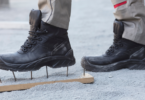
Foot injuries are also common. Workers may step on nails, sharp stones, broken tiles, steel pieces, or slippery surfaces. Safety shoes with strong soles and toe protection are important for construction safety.
Electrical hazards are another serious concern. Electricians and workers near wiring, panels, generators, and temporary site connections need electrical PPE. Insulated gloves, safety shoes, warning signs, and proper lockout practices help reduce danger.
Fire risk is also present on many real estate sites. Welding, cutting, temporary wiring, flammable materials, paint, chemicals, and storage areas can create fire hazards. Fire safety equipment should be available and easy to access.
Important PPE for Real Estate Business Sites
Personal protective equipment is a basic requirement for any active construction or real estate development site. PPE helps protect workers from injuries and supports a safer work environment.
Safety helmets are one of the most visible and important PPE items. They protect the head from falling objects, accidental bumps, and site movement risks. Different colors may also be used to identify workers, engineers, visitors, and safety staff.
Safety shoes are equally important. They protect feet from heavy objects, nails, sharp debris, wet surfaces, and electrical risks. For Indian construction sites, durable safety shoes are very useful because site surfaces are often uneven and dusty.
Safety gloves protect workers during steel handling, masonry, electrical work, glass work, plumbing, and material shifting. Different tasks may require different types of gloves, such as cut-resistant gloves, electrical gloves, rubber gloves, or general handling gloves.
Safety goggles protect eyes from dust, cement particles, sparks, chemicals, and flying debris. They are especially useful during cutting, grinding, drilling, welding, and chemical application.
Reflective jackets improve visibility. They are useful on large sites, road-facing projects, night work, and areas where vehicles or machines are moving.
Fall protection equipment is needed for height work. This may include safety harnesses, lifelines, lanyards, anchor systems, and safety nets.
Safety Helmets in Real Estate Construction
Safety helmets are a must-have item in the real estate business, especially during construction. A helmet may look simple, but it can prevent serious head injuries.
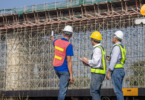
On real estate sites, workers may be exposed to falling materials, low beams, scaffolding parts, tools, bricks, pipes, and accidental impacts. Even supervisors and visitors should wear helmets before entering active work areas.
Good safety helmets should be strong, comfortable, and suitable for construction use. They should fit properly and have an adjustable strap. A loose helmet may fall off during work, while a tight helmet may cause discomfort.
In India, many builders use helmet colors to identify roles. For example, engineers, safety officers, labor workers, and visitors may wear different colors. This improves site management and helps people recognize responsibilities quickly.
Safety helmets should not be treated as one-time purchases only. They need regular checking. Cracked, damaged, faded, or heavily impacted helmets should be replaced.
Safety Shoes for Real Estate Workers
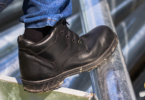
Safety shoes are very important for construction workers, engineers, supervisors, and anyone walking on a real estate project site. Construction areas often have sharp materials, heavy tools, wet cement, loose stones, rods, wires, and uneven flooring.
A normal shoe is not enough for these conditions. Safety shoes offer stronger protection. Many safety shoes come with toe protection, anti-slip soles, puncture-resistant features, and better grip.
For real estate projects in India, safety shoes should be selected based on site conditions. A worker handling heavy materials may need steel toe or composite toe shoes. An electrician may need electrical hazard-resistant footwear. A worker in wet areas may need slip-resistant shoes.
Comfort is also important. Workers may wear safety shoes for long hours, so poor-quality footwear can cause discomfort, tiredness, and reduced productivity.
Good safety shoes support both safety and performance. They help workers move with more confidence across the site.
Safety Gloves for Different Real Estate Tasks
Safety gloves are used for many types of work in real estate construction. Hands are involved in almost every site task, so they are exposed to cuts, burns, dust, chemicals, electricity, cement, and rough materials.
For steel bar handling, cut-resistant gloves are helpful. For electrical work, insulated gloves are needed. For cement, paint, or chemical handling, rubber or chemical-resistant gloves may be required. For general material handling, strong grip gloves can protect hands and improve control.
Using the wrong gloves can create problems. For example, thin general gloves should not be used for electrical tasks. Similarly, bulky gloves may not be suitable for precision work.
A well-managed real estate site should provide task-specific safety gloves. Supervisors should also ensure that workers actually wear them during the work.
Fire Safety Equipment in Real Estate Projects
Fire safety is one of the most important responsibilities in real estate development. Fire risks may exist during construction and after the building is completed.
During construction, fire can be caused by welding, cutting, temporary electrical wiring, generators, fuel storage, flammable chemicals, or poor housekeeping. After construction, fire safety becomes important for residents, office staff, shop owners, visitors, and maintenance teams.
Basic fire safety equipment may include fire extinguishers, fire buckets, fire alarms, smoke detectors, hose reels, fire hydrants, emergency lights, exit signs, and evacuation plans.
In commercial and residential buildings, fire exits must be clearly marked and kept free from blockage. Fire extinguishers should be installed in suitable places and checked regularly.
For the real estate business, fire safety is also connected to buyer trust. People want to live and work in buildings where emergency safety has been planned properly.
Road Safety Equipment Around Real Estate Sites
Real estate construction sites often affect nearby roads, footpaths, parking areas, and entry points. This is especially common in cities like Mumbai, Delhi, Bengaluru, Hyderabad, Pune, Chennai, Ahmedabad, and Kolkata, where construction often happens near busy roads.
Road safety equipment helps manage vehicles, pedestrians, workers, and visitors. It may include traffic cones, barricades, reflective tapes, warning boards, speed breakers, safety signs, blinkers, and reflective jackets.
If a project has trucks entering and leaving the site, road safety becomes even more important. Construction vehicles may carry sand, cement, steel, bricks, concrete, or machinery. Without proper signs and barriers, accidents can happen near the site entrance.
Good road safety planning protects workers, drivers, pedestrians, and nearby residents. It also keeps the project more organized and professional.
Industrial Safety Equipment in Real Estate Projects
Large real estate projects often include industrial-style work. This may include machine operation, material lifting, welding, cutting, electrical panels, generators, lifts, cranes, compressors, and heavy tools.
Industrial safety equipment helps control these risks. Depending on the project, it may include machine guards, ear protection, safety goggles, welding shields, respiratory masks, lockout equipment, warning signs, first aid kits, and spill control materials.
For example, workers near noisy machines may need ear protection. Welders need welding shields, gloves, aprons, and eye protection. Workers dealing with dust may need masks or respirators.
Industrial safety is not only for factories. Many real estate sites require industrial-level safety planning because construction work often involves similar hazards.
Electrical PPE in Real Estate Business
Electrical work is present in almost every real estate project. From temporary site wiring to final electrical installation, there are many stages where workers may face electrical hazards.
Electrical PPE may include insulated gloves, electrical safety shoes, face shields, flame-resistant clothing, insulated tools, and warning signs. Workers should also follow safe procedures before working on panels, wires, switches, or power sources.
Temporary wiring at construction sites is a common risk in India. Loose wires, overloaded sockets, poor-quality cables, and exposed connections can create serious danger.
A professional real estate project should have trained electricians, proper electrical PPE, clear signage, and regular inspection of temporary and permanent electrical systems.
Electrical safety should never be ignored because even a small mistake can cause injury, fire, or major project damage.
Fall Protection Equipment for Real Estate Construction
Fall protection equipment is necessary whenever workers operate at height. In real estate construction, height-related work is very common. Workers may work on scaffolding, roofs, balconies, lift shafts, towers, external walls, and slab edges.
Fall protection equipment may include full-body harnesses, safety belts, lifelines, lanyards, fall arresters, safety nets, guardrails, and anchor points.
However, simply buying fall protection equipment is not enough. Workers must know how to use it correctly. A harness that is not connected to a proper anchor point may not protect the worker.
Site supervisors should check height work areas before allowing workers to begin. Open edges, weak platforms, broken ladders, and unsafe scaffolding should be corrected immediately.
For real estate developers, fall protection is one of the strongest signs of responsible construction safety.
Workplace Safety for Real Estate Offices and Sales Sites
The real estate business does not only involve construction sites. It also includes sales offices, sample flats, customer experience centers, property management offices, and maintenance areas.
Workplace safety matters in these areas too. A sales office may need fire extinguishers, emergency exits, first aid kits, safe electrical wiring, proper lighting, and clean walkways.
Sample flats and project visit areas should be safe for customers. If buyers visit an under-construction property, they should be given helmets and guided through safe walking paths.
Office staff also need a safe work environment. Poor wiring, overloaded sockets, slippery floors, blocked exits, and poor housekeeping can create workplace hazards.
A strong real estate brand pays attention to safety at every level, not only during construction.
How Safety Improves Real Estate Project Quality
Safety and quality are closely connected. A clean, organized, and safe site usually reflects better project management. When a site follows safety rules, it is often easier to control materials, workers, schedules, and inspections.
For example, proper storage of materials reduces damage and waste. Clear walking paths reduce confusion. Good PPE reduces injuries. Fire safety equipment reduces emergency risk. Road safety equipment improves vehicle movement.
Buyers may not always understand technical construction details, but they can notice whether a site looks professional or careless. A well-managed site creates a better impression.
Investors, contractors, and partners also prefer working with developers who follow safety standards. It shows that the company is serious, reliable, and organized.
Safety Planning Before Starting a Real Estate Project
Safety should begin before construction starts. Many people make the mistake of thinking safety is only needed after workers arrive on-site. In reality, safety planning should be part of the project planning stage.
Before work starts, the project team should identify risks. They should study the site location, access roads, nearby buildings, electrical lines, soil conditions, traffic movement, and expected construction activities.
A safety plan should include PPE requirements, emergency procedures, fire safety arrangements, first aid support, site entry rules, training needs, and responsibility allocation.
For example, if the project involves high-rise construction, fall protection equipment must be planned early. If the site is near a busy road, road safety equipment should be arranged before heavy vehicles start moving.
Good planning helps avoid confusion and delays later.
Buying Safety Equipment for Real Estate Projects in India
When buying safety equipment for real estate projects in India, quality should be more important than only low price. Cheap safety gear may look attractive, but it may fail during real site conditions.
A builder or contractor should choose safety equipment based on the type of work, risk level, comfort, durability, and suitability for Indian site conditions.
Safety helmets should be strong and comfortable. Safety shoes should match the work environment. Safety gloves should be selected according to the task. Fire extinguishers should match the type of fire risk. Fall protection equipment should be reliable and properly rated.
It is also important to buy from trusted suppliers. Poor-quality PPE may break, tear, slip, or fail when workers need it most.
For large projects, bulk buying can reduce cost, but the quality should not be compromised. Safety gear should also be available in proper sizes so workers can use it comfortably.
Common Mistakes in Real Estate Site Safety
Many real estate projects face safety problems because of simple mistakes. These mistakes can be avoided with better planning and supervision.
One common mistake is buying PPE but not ensuring workers wear it. Safety helmets, gloves, and shoes are useful only when they are used correctly.
Another mistake is using the same PPE for every task. Different jobs need different safety gear. Electrical work, welding, height work, and cement handling all require specific protection.
Poor housekeeping is another common issue. Scattered materials, open wires, broken tiles, loose nails, and blocked pathways increase accident risks.
Ignoring fire safety is also dangerous. Fire extinguishers should not be kept only for show. They should be placed correctly, checked regularly, and workers should know how to use them.
Some sites also fail to manage visitors properly. Buyers, vendors, and guests should not enter unsafe areas without PPE and guidance.
Practical Safety Advice for Real Estate Developers
Real estate developers should treat safety as a regular part of project management. It should not be limited to occasional inspections.
Start by making PPE compulsory for all workers and visitors in active work areas. Keep safety helmets, safety shoes, reflective jackets, and other basic PPE available.
Train workers in simple language. Many workers understand practical demonstrations better than long written instructions. Show them how to wear PPE, how to report risks, and how to respond during emergencies.
Keep the site clean and organized. Remove waste materials regularly. Mark dangerous areas clearly. Use barricades around open pits, lift shafts, and restricted zones.
Check fire safety equipment often. Make sure extinguishers are visible and accessible. Do not block emergency exits or pathways.
Assign safety responsibility to trained supervisors. If nobody is responsible, safety rules are often ignored.
Safety for Buyers Visiting Real Estate Projects
In India, buyers often visit under-construction real estate projects before making a purchase decision. These visits can be useful, but they must be managed safely.
A buyer should not be allowed to walk freely through an active construction site without guidance. The site team should provide safety helmets and guide visitors through safe areas.
Visitors should avoid areas where lifting, welding, cutting, or height work is happening. Children and elderly people should be kept away from unsafe zones.
Clear signs, clean walkways, temporary railings, and proper lighting help make site visits safer.
For developers, safe buyer visits also improve brand image. It shows that the company values people and follows professional site management practices.
How Safety Builds Trust in the Real Estate Business
Trust is a major part of the real estate business. Buyers are making big financial decisions, often using savings, loans, or long-term investments. They want to deal with developers who are responsible and reliable.
A safe and organized project site creates confidence. It tells buyers that the developer is serious about quality and planning.
Worker safety also affects public image. A company known for unsafe work practices may lose reputation. On the other hand, a developer that follows safety practices can stand out in a competitive market.
Safety also supports long-term value. A building with proper fire safety, electrical safety, road access, and maintenance planning is more useful and attractive for future occupants.
In short, safety is not just a cost. It is part of brand building, risk control, and long-term business growth.
Role of Safety Training in Real Estate Projects
Safety equipment works best when workers know how to use it. Training is necessary for both beginners and experienced workers.
Training should be simple, practical, and repeated regularly. Workers should learn how to wear PPE, handle tools, work at height, report hazards, use fire extinguishers, and follow emergency procedures.
Supervisors should also receive training because they are responsible for daily safety control. They need to identify unsafe behavior, correct mistakes, and guide workers.
In India, many construction workers come from different states and may speak different languages. Visual signs, demonstrations, and local-language instructions can improve understanding.
A few minutes of daily safety briefing can prevent many problems. This is often called a toolbox talk. It helps remind workers about risks before work begins.
PPE Maintenance and Replacement
Buying PPE is only the first step. Real estate project teams should also maintain and replace safety gear when needed.
Safety helmets should be checked for cracks, damage, and weak straps. Safety shoes should be replaced if soles are damaged or toe protection is broken. Gloves should be replaced if they are torn, slippery, or no longer protective.
Fall protection equipment should be inspected carefully. Damaged harnesses, weak lanyards, or faulty hooks should not be used.
Fire safety equipment also needs regular checking. Expired or empty fire extinguishers are useless during emergencies.
A simple PPE register can help track issue dates, replacement dates, and inspection records. This is especially useful for medium and large real estate projects.
Real Estate Business Safety Checklist for Beginners
Beginners entering the real estate field should understand that safety is part of professional project planning. A simple safety checklist can help.
Before starting work, check whether the site has basic PPE, first aid, fire extinguishers, safe entry points, drinking water, clean pathways, and emergency contact numbers.
During construction, check whether workers are using safety helmets, safety shoes, safety gloves, reflective jackets, and fall protection equipment where required.
For electrical work, make sure trained electricians are involved and electrical PPE is used.
For road-facing projects, use traffic cones, warning boards, barricades, and reflective safety gear.
For completed buildings, check fire exits, emergency lighting, fire extinguishers, alarm systems, electrical panels, and maintenance access.
This simple approach can help beginners manage safety better from the start.
Future of Safety in the Indian Real Estate Business
The Indian real estate market is becoming more professional. Buyers are more aware, regulations are stricter, and competition is increasing. Developers who focus only on low cost may struggle to build long-term trust.
Safety will become even more important in the future. Better PPE, smarter fire safety systems, improved site monitoring, and stronger workplace safety practices will become part of modern real estate development.
Technology may also support safety. CCTV monitoring, digital checklists, worker attendance systems, safety apps, and equipment tracking can help manage large projects.
However, the basics will always remain important. A worker still needs a good safety helmet. A site still needs fire extinguishers. A height worker still needs fall protection equipment. A construction entrance still needs road safety equipment.
The future of real estate belongs to companies that combine growth with responsibility.
FAQs About Real Estate Business and Safety Equipment
What is the real estate business?
The real estate business includes buying, selling, developing, renting, and managing land or buildings. It may involve residential, commercial, industrial, or mixed-use properties. In construction-based real estate, safety equipment and PPE are very important for protecting workers and visitors.
Why is safety important in the real estate business?
Safety is important because real estate projects often involve construction work, electrical work, height work, fire risks, heavy materials, and moving vehicles. Proper safety equipment helps reduce accidents, protect workers, avoid delays, and improve project quality.
What PPE is commonly used on real estate construction sites?
Common PPE includes safety helmets, safety shoes, safety gloves, safety goggles, reflective jackets, masks, ear protection, and fall protection equipment. The exact PPE depends on the type of work and site risks.
Are safety helmets necessary for property site visits?
Yes, safety helmets are necessary for active construction site visits. Buyers, engineers, supervisors, workers, and visitors should wear helmets in areas where falling objects or head injury risks may exist.
What fire safety equipment is needed in real estate projects?
Fire safety equipment may include fire extinguishers, fire buckets, fire alarms, smoke detectors, emergency lights, exit signs, hose reels, and hydrant systems. The requirement depends on the project size, building type, and fire risk level.
How can real estate developers improve construction safety?
Developers can improve construction safety by providing proper PPE, training workers, keeping the site clean, using warning signs, managing electrical risks, installing fire safety equipment, and supervising high-risk activities like height work and welding.
Why are safety shoes important on real estate sites?
Safety shoes protect workers from falling objects, sharp materials, nails, slippery surfaces, and rough ground conditions. They are especially important on Indian construction sites where surfaces are often uneven and full of debris.
What is fall protection equipment?
Fall protection equipment includes safety harnesses, lifelines, lanyards, anchor points, guardrails, and safety nets. It is used when workers perform tasks at height, such as scaffolding, roofing, balcony work, or external wall work.
Conclusion
The real estate business is a powerful sector in India, but safe growth is just as important as fast growth. Every successful project depends on planning, quality, trust, and protection. Safety equipment and PPE are not small details. They are essential parts of responsible real estate development.
From the first day of construction to the final handover of a building, safety should remain a priority. Safety helmets, safety shoes, safety gloves, fire safety equipment, road safety equipment, industrial safety equipment, electrical PPE, and fall protection equipment all help protect people and reduce risk.
For beginners, the most important lesson is simple: a real estate project is not only about land, design, and sales. It is also about creating safe spaces for workers, buyers, residents, and businesses. A developer who manages safety properly can build stronger trust, better reputation, and more professional projects.
In India’s competitive property market, safety can become a real advantage. Buyers notice professional site management. Workers perform better when they feel protected. Projects run more smoothly when risks are controlled.
A safer real estate business is not only good for workers. It is good for customers, companies, communities, and long-term success.