
A BIM Designer plays an important role in modern construction, architecture, engineering, and infrastructure projects. As construction projects become more complex, companies need skilled professionals who can create accurate digital building models before actual site work starts.
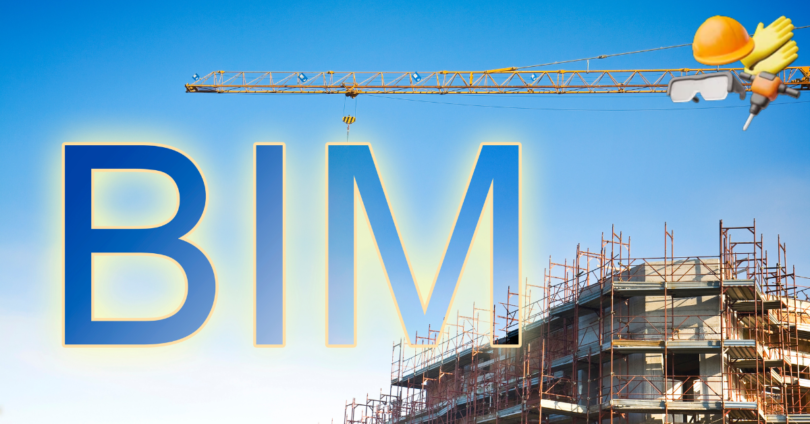
BIM stands for Building Information Modeling. It is not just 3D design. It is a smart digital process that helps architects, engineers, contractors, and safety teams plan, design, coordinate, and manage building projects more efficiently.
For construction companies, a BIM Designer helps reduce mistakes, save time, improve safety, and support better decision-making before workers enter the site.
What Is a BIM Designer?
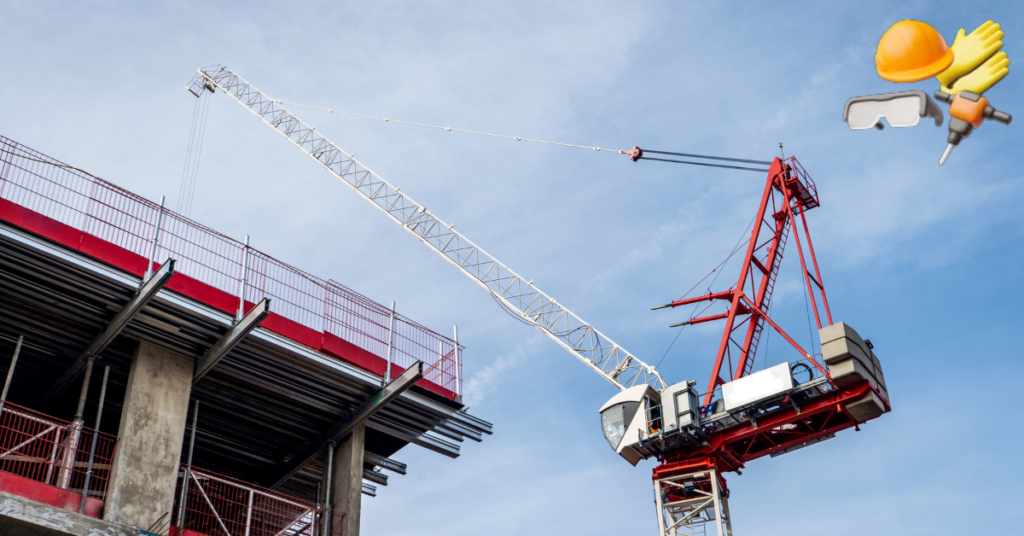
A BIM Designer is a professional who creates digital 3D models of buildings, roads, bridges, industrial plants, and other construction projects using BIM software.
These models include details such as:
Building structure
Mechanical systems
Electrical systems
Plumbing systems
Fire safety systems
HVAC systems
Material details
Dimensions
Site coordination information
A BIM Designer works closely with architects, civil engineers, MEP engineers, safety officers, and project managers to make sure the design is accurate and practical.
In simple words, a BIM Designer prepares a smart digital version of a project before it is built physically.
Why BIM Designer Is Important in Construction
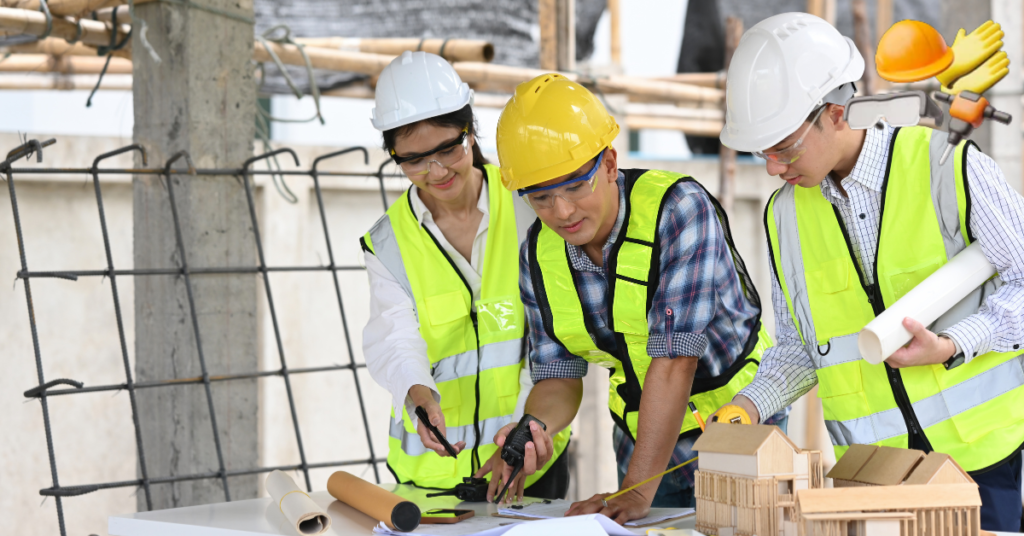
Construction projects often face problems like design clashes, wrong measurements, poor coordination, material waste, and safety risks. A BIM Designer helps reduce these problems by identifying issues early in the digital model.
For example, if an electrical pipe is crossing a plumbing line or a beam is blocking an HVAC duct, BIM software can detect this clash before construction starts.
This saves:
Time
Money
Materials
Labor effort
Rework
Site accidents
BIM also helps project teams understand how a building will look and function before work begins on-site.
Main Responsibilities of a BIM Designer
A BIM Designer has many responsibilities depending on the project type and company. Some common duties include:
Creating 3D BIM models for buildings and infrastructure projects
Preparing architectural, structural, and MEP models
Updating models according to engineer and architect instructions
Checking design clashes between different systems
Creating construction drawings from BIM models
Supporting quantity takeoff and material estimation
Coordinating with project teams
Following BIM standards and project guidelines
Maintaining model accuracy
Helping improve project safety planning
A skilled BIM Designer must understand both design and construction. Only knowing software is not enough.
BIM Designer and Construction Safety
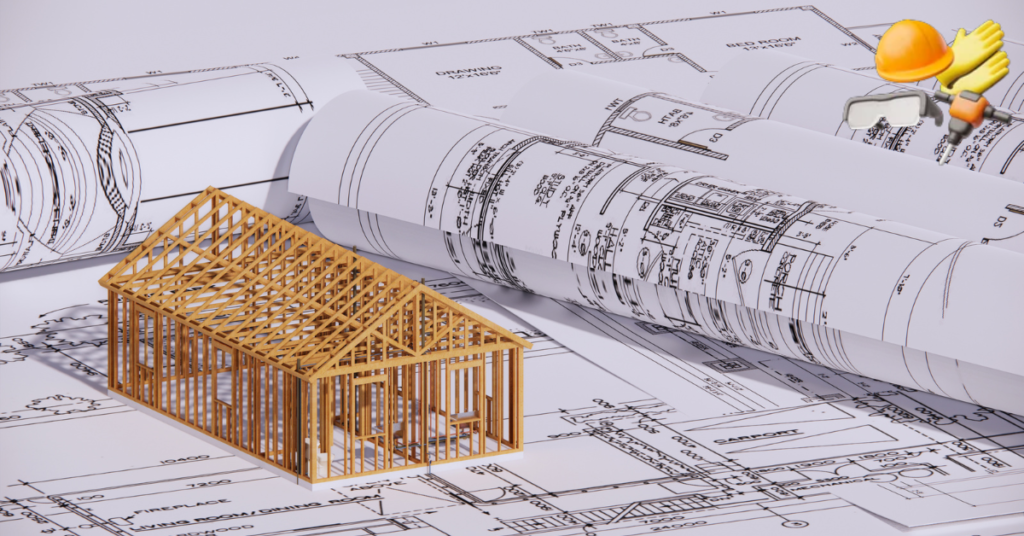
For a website like bestsafetyequipments.org, it is important to understand how BIM supports safety in construction.
BIM can help safety teams plan safer work areas before construction begins. It can show risky zones, working heights, crane movement areas, emergency exits, fire safety routes, and equipment placement.
With BIM, safety officers can plan:
Worker movement routes
Fall protection areas
Scaffolding locations
Fire safety equipment points
Emergency evacuation routes
Heavy machinery movement
Storage areas for materials
PPE requirements by work zone
This makes BIM useful not only for design but also for workplace safety and construction safety management.
Skills Required to Become a BIM Designer
To become a successful BIM Designer, a person needs both technical and practical skills.
Important skills include:
Good knowledge of construction drawings
Understanding of architecture and engineering basics
3D modeling skills
Attention to detail
Knowledge of building materials
Understanding of safety rules
Coordination skills
Problem-solving ability
Basic project management knowledge
Software handling skills
A BIM Designer should also know how construction happens on-site. This helps create models that are realistic and useful.
Popular Software Used by BIM Designers

BIM Designers use different software depending on the project and company requirements. Common tools include:
Autodesk Revit
AutoCAD
Navisworks
Tekla Structures
Civil 3D
ArchiCAD
SketchUp
BIM 360
Dynamo
Bentley OpenBuildings
Among these, Revit is one of the most popular tools for building design, while Navisworks is commonly used for clash detection and coordination.
BIM Designer vs CAD Designer
Many beginners confuse BIM Designer with CAD Designer. Both roles are related to design, but they are not the same.
A CAD Designer usually works on 2D drawings and basic drafting. A BIM Designer works on smart 3D models that contain real project information.
CAD drawings show lines and shapes. BIM models include data, materials, levels, systems, quantities, and project details.
This is why BIM is more advanced than traditional CAD drafting.
Career Scope of BIM Designer
The demand for BIM Designers is increasing in India, the Middle East, Europe, the USA, and other construction markets. Many construction companies, engineering firms, architectural offices, and infrastructure projects now prefer BIM-based workflows.
A BIM Designer can work in:
Architecture firms
Construction companies
MEP consultancies
Civil engineering firms
Infrastructure projects
Industrial projects
Real estate companies
Project management companies
Interior design firms
With experience, a BIM Designer can grow into roles such as:
Senior BIM Designer
BIM Coordinator
BIM Modeler
BIM Engineer
BIM Manager
Digital Construction Specialist
VDC Engineer
BIM Designer Salary Scope
Salary depends on country, experience, software skills, and project type. A beginner may start with an entry-level salary, but experienced BIM professionals can earn much higher because BIM is a specialized construction skill.
A person with strong Revit, Navisworks, clash detection, and coordination skills usually gets better opportunities.
In India and Pakistan, BIM career demand is growing because many companies work with international construction clients.
How to Become a BIM Designer
To become a BIM Designer, beginners can follow this simple path:
Learn basic construction drawings
Understand architecture, structure, or MEP basics
Learn AutoCAD first if you are new
Start learning Revit
Practice 3D modeling daily
Learn clash detection with Navisworks
Create a small project portfolio
Understand construction safety basics
Apply for internships or junior BIM jobs
A strong portfolio is very important. Companies want to see your practical work, not only certificates.
Importance of BIM Designer for Contractors
Contractors benefit a lot from BIM Designers because they help contractors understand the project before actual work starts.
BIM helps contractors with:
Better planning
Material estimation
Labor planning
Site coordination
Reduced rework
Improved safety
Faster project delivery
Better communication with clients
When contractors use BIM properly, projects become more organized and less risky.
BIM Designer in MEP Projects
MEP means Mechanical, Electrical, and Plumbing. BIM is very useful in MEP work because these systems often create clashes inside buildings.
A BIM Designer can model:
Electrical conduits
Cable trays
Plumbing pipes
Fire fighting pipes
HVAC ducts
Drainage systems
Water supply lines
Equipment rooms
This helps engineers check whether all systems fit correctly inside the building.
BIM and PPE Planning
BIM can also support PPE planning in construction projects. Safety managers can use BIM models to understand which workers need specific personal protective equipment in different areas.
For example:
Workers at height need safety harnesses.
Welders need welding helmets and gloves.
Road workers need reflective jackets.
Electrical workers need insulated gloves and safety shoes.
Construction workers need helmets, safety shoes, and eye protection.
This shows how BIM connects with safety equipment planning and workplace protection.
Benefits of Hiring a BIM Designer
Hiring a BIM Designer gives many benefits to construction and engineering companies.
Key benefits include:
Better design accuracy
Early clash detection
Less rework
Improved project coordination
Better cost control
Improved site safety
Faster approvals
Better client presentation
Easy project tracking
Smarter construction planning
For large projects, BIM is becoming almost necessary because manual coordination is difficult and risky.
Challenges Faced by BIM Designers
BIM Designers also face some challenges. These include:
Complex project requirements
Frequent design changes
Software learning difficulty
Coordination pressure
Large model file sizes
Strict deadlines
Different team standards
Need for continuous learning
However, with practice and experience, these challenges become easier to manage.
Future of BIM Designer Career
The future of BIM is strong because construction is moving toward digital technology. Smart buildings, green construction, digital twins, AI-based design checking, and advanced project management all depend on accurate digital models.
In the coming years, BIM Designers with knowledge of safety, sustainability, automation, and coordination will have better career opportunities.
A BIM Designer who keeps learning new tools and understands real construction methods can build a strong career in this field.
FAQs
A BIM Designer creates smart 3D models for construction projects. These models help architects, engineers, contractors, and safety teams plan and coordinate work before construction starts.
Is BIM Designer a good career?
Yes, BIM Designer is a good career because construction companies are increasingly using BIM for planning, design, safety, and project coordination.
Which software is best for BIM Designer?
Autodesk Revit is one of the most popular BIM software tools. Navisworks, AutoCAD, Tekla, Civil 3D, and BIM 360 are also commonly used.
Can a civil engineer become a BIM Designer?
Yes, civil engineers can become BIM Designers by learning BIM software, construction modeling, structural design basics, and project coordination.
Is BIM useful for construction safety?
Yes, BIM is useful for construction safety because it helps identify risks, plan work zones, manage site movement, and improve safety equipment planning.
What is the difference between BIM Designer and BIM Modeler?
A BIM Modeler usually focuses mainly on creating models, while a BIM Designer may also understand design intent, coordination, drawing output, and project requirements.
Conclusion
A BIM Designer is an important professional in modern construction. This role connects design, engineering, coordination, safety, and project planning through smart digital models.
BIM helps reduce mistakes, improve communication, save costs, and make construction sites safer. For beginners who want to enter the construction design field, BIM is a strong career option with growing demand.
As construction companies continue to adopt digital tools, the need for skilled BIM Designers will increase. Anyone who learns BIM software, understands construction drawings, and builds practical project experience can grow in this field.