
What Is DPC Full Form?
DPC Full Form is Damp Proof Course.
In construction, DPC is a protective layer used in buildings to stop moisture from rising from the ground into walls, floors, and other structural parts. It works as a moisture barrier between the ground and the building.
When a building is constructed, its foundation and lower walls are close to the soil. Soil naturally contains moisture. This moisture can slowly move upward through bricks, concrete blocks, mortar, and plaster. This problem is called rising damp.
To prevent this issue, builders provide a DPC layer at the correct level. This layer stops moisture from moving upward and keeps the walls dry and safe.
In simple words, DPC protects a building from dampness, seepage, paint damage, plaster cracks, wall stains, bad smell, and long-term moisture problems.
For any safe and durable building, DPC is a very important part of construction.
Meaning of DPC in Construction
In construction, DPC means a damp-proof layer that is placed in walls or floors to prevent moisture movement. It is mostly provided at plinth level, which is the level between the ground and the floor of the building.
The main job of DPC is to stop water from entering the building through capillary action. Capillary action means the movement of water through tiny pores inside construction materials.
Bricks, blocks, concrete, and mortar may look solid, but they contain small pores. If there is no DPC, water can travel through these pores and reach the walls. After some time, the wall becomes damp, paint starts peeling, and plaster becomes weak.
That is why DPC Full Form is an important term in civil engineering, house construction, building safety, and construction planning.
Why Is DPC Important in Buildings?
DPC is important because moisture can damage a building slowly from inside. A building may look strong from outside, but if moisture keeps entering the walls, it can reduce the life of the structure.
Dampness can damage paint, plaster, flooring, wooden doors, furniture, and even electrical fittings. It can also create an unhealthy indoor environment.
In homes, damp walls can make rooms uncomfortable. They may create bad smell and ugly patches on the walls. In offices, shops, warehouses, and commercial buildings, dampness can damage interiors, goods, documents, and finishing materials.
A properly installed DPC helps prevent these problems. It keeps the building dry, clean, safe, and long-lasting.
DPC is not only useful for appearance. It also supports building durability and safety by controlling moisture before it becomes a bigger problem.
Main Purpose of DPC
The main purpose of DPC is to protect a building from dampness. However, it also performs many other important functions.
DPC stops moisture from rising through walls. It protects plaster from becoming weak. It helps paint last longer. It prevents stains on walls. It protects flooring and internal finishes. It also reduces future repair costs.
Another important purpose of DPC is to improve indoor comfort. A dry building feels better, cleaner, and healthier than a damp building.
In areas where rainfall is high or ground moisture is common, DPC becomes even more important. Without DPC, walls may start showing damp patches within a short time.
So, DPC is a small construction layer, but its value is very high.
Where Is DPC Used in Construction?
DPC is used in different parts of a building where moisture protection is needed. The most common place for DPC is at plinth level.
Plinth level is usually above the ground level and below the main wall construction. This position helps stop ground moisture before it enters the upper part of the wall.
DPC can also be used below floors, around basements, in external walls, near bathrooms, kitchens, balconies, roofs, and parapet walls.
In residential buildings, DPC is commonly used at the base of walls. In commercial and industrial buildings, DPC may be used with other waterproofing systems for stronger moisture protection.
The exact location of DPC depends on the building design, soil condition, water table, rainfall, and construction method.
Common Materials Used for DPC
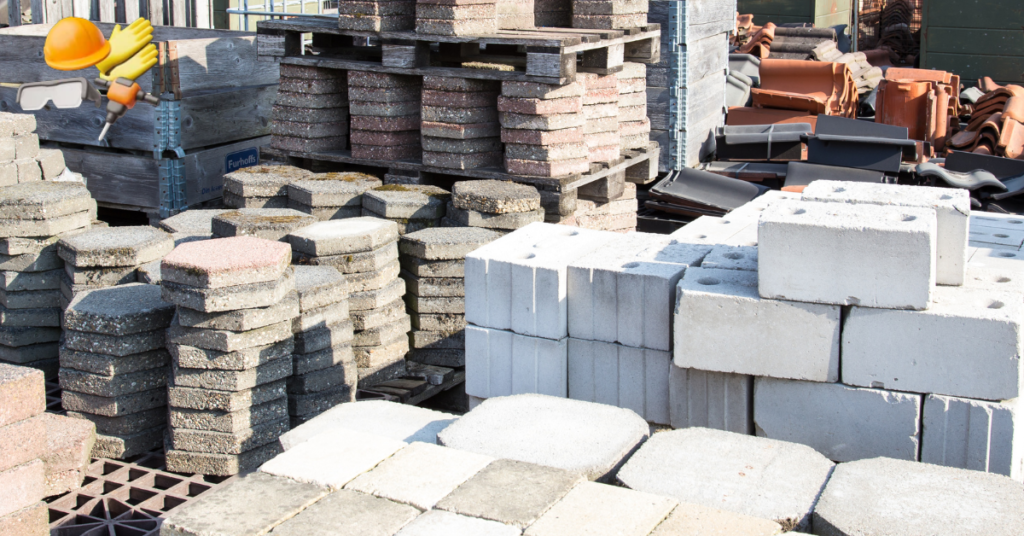
Different materials can be used for DPC depending on the type of building, budget, and site condition. The material should be waterproof, durable, strong, and suitable for the structure.
Common materials used for DPC include bitumen felt, plastic sheet, damp proof membrane, cement concrete, mastic asphalt, waterproof cement mortar, metal sheets, and chemical damp proofing materials.
Bitumen felt is commonly used because it is flexible and provides good moisture protection. Plastic sheets and damp proof membranes are also popular in modern construction because they are easy to install.
Cement concrete DPC is widely used in residential construction. In this method, a cement concrete layer is mixed with waterproofing compound and placed at plinth level.
Mastic asphalt is used where stronger waterproofing is required. It is durable and effective against moisture.
Metal sheets are used in special cases, but they are not common in normal house construction because they can be expensive.
Chemical DPC is mostly used in old buildings where dampness has already appeared. In this method, chemical treatment is used to create a barrier inside the wall.
Types of DPC
There are different types of DPC used in construction. Each type has a different purpose depending on the moisture problem and building requirement.
Horizontal DPC
Horizontal DPC is placed horizontally in walls, usually at plinth level. It stops moisture from rising upward from the ground into the walls.
This is the most common type of DPC used in houses, offices, shops, and other buildings.
Vertical DPC
Vertical DPC is applied vertically on walls that are in contact with soil or moisture. It is commonly used in basements, retaining walls, and underground structures.
Vertical DPC helps stop moisture from entering through the side of the wall.
Membrane DPC
Membrane DPC uses waterproof sheets or membranes to block moisture. Plastic membranes, bitumen sheets, and damp proof membranes are common examples.
This type is easy to use and effective when installed properly.
Integral DPC
Integral DPC means waterproofing materials are mixed directly into concrete or mortar. This makes the concrete or mortar more resistant to water.
It is commonly used in floors, bathrooms, wet areas, and water-related construction work.
Chemical DPC
Chemical DPC is mostly used for repair work in old buildings. Chemicals are injected into the wall to create a damp-proof barrier.
This method is useful when a building already has rising damp problems.
How Does DPC Work?
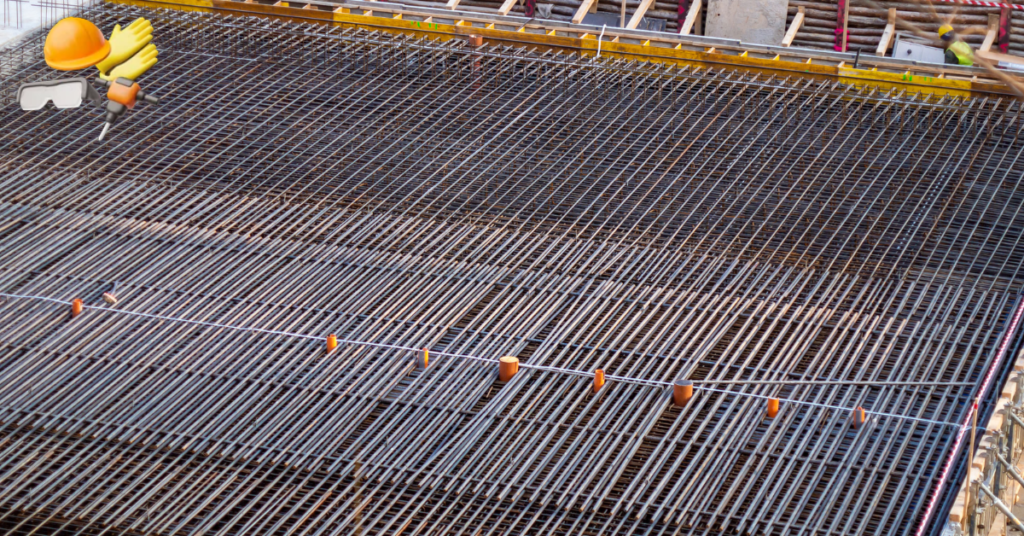
DPC works by creating a barrier that moisture cannot pass through easily. When moisture tries to rise from the ground through bricks or concrete, the DPC layer blocks it.
For example, imagine a wall built on damp soil. Without DPC, moisture can move upward through the wall. After some time, the lower part of the wall becomes wet. Paint starts peeling, plaster becomes weak, and stains appear.
Now imagine the same wall with a proper DPC layer. Moisture reaches the DPC layer but cannot move further upward. As a result, the wall above the DPC remains dry and protected.
This is why DPC should be continuous. If there is a gap or break in the DPC layer, moisture can pass through that weak point.
Proper installation is as important as the material itself.
Benefits of DPC in Construction
DPC provides many benefits for a building. The first and most important benefit is protection from dampness.
It prevents moisture from entering walls and floors. It protects paint from peeling. It keeps plaster strong and clean. It reduces wall stains and salt marks. It protects wooden doors, furniture, and cupboards from moisture damage.
DPC also improves the indoor environment. Dry rooms are more comfortable and healthier than damp rooms. A dry building also looks cleaner and better maintained.
Another major benefit is lower maintenance cost. If dampness appears again and again, repairs can become expensive. A good DPC installed during construction can save money in the long run.
DPC also increases the life of the building by protecting it from moisture-related problems.
Problems Caused by Poor DPC
If DPC is missing or poorly installed, many problems can appear in the building. The most common problem is rising damp.
Rising damp creates wet patches on the lower part of walls. These patches may slowly move upward. Paint may peel off, plaster may crack, and white salt marks may appear on the surface.
Poor DPC can also damage flooring. In some buildings, dampness can affect tiles, wooden flooring, or floor finishes.
Moisture may also damage doors, windows, cupboards, and furniture. In serious cases, dampness near electrical points can create safety concerns.
Another common problem is bad smell. Damp walls can make rooms feel unpleasant and uncomfortable.
That is why DPC should never be ignored during construction.
Difference Between DPC and Waterproofing
DPC and waterproofing are related, but they are not exactly the same.
DPC mainly stops moisture from rising through walls and floors. It is usually provided at plinth level or in areas where rising damp is possible.
Waterproofing is a broader process. It includes all methods used to stop water leakage and seepage in roofs, bathrooms, basements, balconies, water tanks, and external walls.
For example, DPC protects walls from ground moisture. Roof waterproofing protects the roof from rainwater. Bathroom waterproofing protects floors and walls from water leakage.
So, DPC is one part of moisture protection, while waterproofing covers the full water protection system of a building.
Both are important for safe and long-lasting construction.
DPC Level in Building Construction
DPC is usually provided at plinth level. This level is normally above the ground level. The purpose is to stop moisture before it reaches the main wall.
In many buildings, DPC is placed around 150 mm above ground level, but the exact level can change depending on building design and local construction practice.
The important point is that DPC should be placed correctly and continuously. It should cover the full thickness of the wall.
If the DPC is placed too low or has breaks, moisture may still enter the building.
Thickness of DPC
The thickness of DPC depends on the material used.
For cement concrete DPC, the thickness is commonly around 25 mm to 50 mm. For sheet or membrane DPC, the thickness may be much smaller, but the material should be strong and waterproof.
Thickness alone does not decide the quality of DPC. A good-quality waterproof membrane can work better than a poor-quality thick layer.
The DPC material should be selected according to site condition, moisture level, and building requirement.
Important Points While Installing DPC
DPC should be installed carefully to get the best result. The surface should be clean, level, and free from dust before placing the DPC layer.
If a sheet or membrane is used, joints should overlap properly. There should be no gaps, holes, or damage in the layer.
If cement concrete DPC is used, waterproofing compound should be mixed properly. The concrete should be compacted and cured correctly.
DPC should also be protected during further construction work. Workers should avoid damaging the DPC while building walls or placing materials.
Good workmanship is very important for effective DPC.
DPC in Residential Buildings
In residential buildings, DPC protects rooms from damp walls and moisture problems. A house without proper DPC may face paint peeling, plaster damage, bad smell, and wall stains.
Bedrooms, living rooms, and kitchens should remain dry and comfortable. DPC helps maintain a better indoor environment.
In bathrooms and kitchens, extra moisture protection may be needed because these areas use water daily. DPC and waterproofing together can provide better protection.
For new house construction, DPC should be planned before wall construction starts. It is easier to install DPC during construction than to repair dampness later.
DPC in Commercial and Industrial Buildings
DPC is also important in commercial and industrial buildings. Offices, shops, warehouses, schools, hospitals, and factories need dry and safe spaces.
In commercial buildings, dampness can damage interiors, furniture, files, equipment, and stored goods. In industrial buildings, moisture can affect machinery, materials, and safety equipment.
Proper DPC helps protect building value and reduces repair work. It also keeps the workplace cleaner and safer.
For large buildings, DPC is often used with waterproofing, drainage planning, and moisture control systems.
DPC and Building Safety
DPC is directly connected with building safety and durability. Moisture can slowly weaken building materials and damage finishing work.
A damp building may need frequent repairs. It may also become uncomfortable for people living or working inside.
Building safety is not only about helmets, gloves, PPE, and safety equipment. It also includes strong construction methods, moisture protection, quality materials, and proper maintenance.
For this reason, DPC is an important topic for construction safety and building protection.
Signs That a Building Has DPC Problems
There are some common signs that show a building may have DPC problems.
The lower part of the wall may stay wet. Paint may peel from the bottom area. White salt marks may appear on walls. Plaster may become soft or powdery. A damp smell may come from rooms. Flooring may show moisture marks.
If these signs appear, the building may have rising damp or DPC failure.
Before repair, it is important to find the real cause of dampness. Sometimes dampness comes from ground moisture, but sometimes it may come from leaking pipes, roof leakage, poor drainage, or bathroom seepage.
Can DPC Be Repaired in Old Buildings?
Yes, DPC can be repaired in old buildings, but the repair method depends on the condition of the building.
Chemical DPC injection is a common repair method. In this method, holes are drilled into the wall, and damp proofing chemicals are injected to create a moisture barrier.
In some cases, plaster removal, wall treatment, external waterproofing, floor waterproofing, or drainage correction may be needed.
Old buildings should be inspected carefully because dampness can have more than one reason.
Repairing DPC is possible, but it is usually better and cheaper to install proper DPC during new construction.
Common Mistakes in DPC Work
One common mistake is using low-quality material. Poor materials may fail quickly and allow moisture to pass through.
Another mistake is leaving gaps in the DPC layer. Even a small gap can allow dampness to enter the wall.
Some builders place DPC at the wrong level. If DPC is placed below ground level or not connected properly with the wall and floor system, it may not work effectively.
Poor curing of cement concrete DPC is also a mistake. Concrete needs proper curing to become strong and durable.
Ignoring drainage around the building is another problem. If water keeps collecting near the foundation, dampness risk increases.
Best Practices for Effective DPC
For effective DPC, always use good-quality materials. Select the DPC type according to the building design, soil condition, and moisture level.
Make sure the DPC layer is continuous. Joints should be sealed properly. The DPC should cover the full width of the wall.
Keep the DPC above ground level and connect it properly with floor waterproofing where needed.
Also, maintain proper drainage around the building. Rainwater should move away from the foundation instead of collecting near walls.
Good material, correct level, proper installation, and skilled workmanship are the keys to a successful DPC system.
FAQs
DPC Full Form is Damp Proof Course. It is a protective layer used in buildings to stop moisture from rising through walls and floors.
Why is DPC used in buildings?
DPC is used to prevent dampness, rising moisture, wall stains, peeling paint, plaster damage, and long-term moisture problems.
Where is DPC provided?
DPC is usually provided at plinth level, above ground level, and below the main wall construction. It can also be used in basements, floors, roofs, bathrooms, and wet areas.
Which material is best for DPC?
Common DPC materials include bitumen felt, plastic membrane, damp proof membrane, cement concrete with waterproofing compound, mastic asphalt, and chemical DPC materials. The best material depends on the building type and site condition.
Is DPC necessary for every building?
Yes, DPC is important for almost every building because ground moisture can damage walls, floors, paint, plaster, wood, and finishing materials over time.
What happens if DPC is not used?
If DPC is not used, the building may face rising damp, peeling paint, plaster cracks, bad smell, wall stains, and higher repair costs.
Is DPC the same as waterproofing?
No, DPC and waterproofing are related but different. DPC mainly stops rising moisture, while waterproofing protects roofs, bathrooms, basements, balconies, and water tanks from leakage.
Can DPC be repaired in old buildings?
Yes, DPC can be repaired in old buildings through chemical injection, wall treatment, external waterproofing, drainage correction, or other damp-proofing methods.
What is the common level of DPC?
DPC is commonly provided at plinth level, usually above ground level. The exact level depends on the building design and local construction practice.
What is the main benefit of DPC?
The main benefit of DPC is moisture protection. It keeps walls dry, protects paint and plaster, improves indoor comfort, and increases the life of the building.
Conclusion
DPC Full Form is Damp Proof Course, and it is one of the most important parts of building construction. It protects walls, floors, plaster, paint, and internal finishes from moisture and dampness.
Without proper DPC, ground moisture can rise through walls and create serious problems such as damp patches, peeling paint, wall stains, plaster damage, bad smell, and costly repairs. These problems may look small at first, but they can affect the comfort, appearance, and durability of the building over time.
DPC is usually provided at plinth level, but it can also be used in basements, floors, roofs, bathrooms, kitchens, balconies, and other moisture-prone areas. Common DPC materials include bitumen felt, plastic membranes, cement concrete, mastic asphalt, damp proof membranes, and chemical treatments.
For safe and long-lasting construction, DPC should be installed with good-quality material and proper workmanship. A well-installed DPC layer keeps the building dry, reduces maintenance cost, improves indoor comfort, and increases the life of the structure.
Whether it is a house, office, shop, warehouse, school, hospital, or industrial building, DPC should never be ignored. It is a simple but powerful construction method that protects the building from moisture damage and supports long-term building safety