

introduction
A civil engineer walk in interview is one of the fastest ways for freshers and experienced engineers to get a job opportunity in construction, infrastructure, real estate, industrial projects, and safety-related companies. Unlike a scheduled interview, a walk in interview allows candidates to visit the company directly on a specific date and meet the hiring team without waiting for a long application process.
For civil engineers, this type of interview is very common because construction companies often need site engineers, QA/QC engineers, planning engineers, safety engineers, quantity surveyors, supervisors, and project coordinators urgently. If you are prepared with the right documents, technical knowledge, communication skills, and confidence, a civil engineer walk in interview can become a strong chance to start or grow your career.
This guide explains everything you need to know before attending a walk in interview for a civil engineering job.
What Is a Civil Engineer Walk In Interview?

A civil engineer walk in interview is an open interview process where a company invites eligible candidates to come directly to its office, site office, project location, or recruitment center. The company usually announces the interview date, time, job role, qualification, experience requirement, and documents needed.
In this process, candidates do not always need a prior appointment. They can visit the given location during the mentioned time and attend the interview. However, some companies may still ask candidates to register online or send their resume before coming.
Walk in interviews are popular in the construction industry because projects move fast and companies need manpower quickly. A road project, building project, bridge project, factory construction, warehouse project, or safety equipment company may require civil engineers on short notice.
Why Walk In Interviews Are Important for Civil Engineers

Walk in interviews are useful because they save time for both companies and candidates. Instead of waiting weeks for a reply after applying online, candidates can directly meet HR and technical managers.
For fresh civil engineers, walk in interviews are a good way to get exposure. Even if they do not get selected immediately, they learn what companies expect from candidates. They also improve their confidence by facing real interview questions.
For experienced civil engineers, walk in interviews can help them find better salary packages, urgent vacancies, and project-based roles. Many construction companies hire experienced engineers quickly when they need someone who can join immediately.
Common Job Roles in Civil Engineer Walk In Interviews

Civil engineering is a broad field, so walk in interviews may be conducted for different roles. Some common positions include:
Site Engineer
A site engineer manages daily work at the construction site. The role includes checking drawings, supervising labor, coordinating with contractors, measuring work progress, and ensuring that construction is done according to standards.
Civil Supervisor
A civil supervisor monitors workers, materials, and site activities. This role is practical and field-based. Companies often hire diploma holders and experienced candidates for supervisor positions.
QA/QC Engineer
A QA/QC engineer checks the quality of materials and construction work. This includes concrete testing, steel checking, cube test records, checklist preparation, and quality documentation.
Quantity Surveyor
A quantity surveyor prepares quantity estimates, BOQs, billing, rate analysis, and material calculations. This role requires strong knowledge of measurements and costing.
Planning Engineer
A planning engineer works on project schedules, progress reports, bar charts, and planning software like Primavera or MS Project. This role is common in large infrastructure and construction projects.
Safety Engineer
A safety engineer ensures that site work follows safety rules. This includes PPE checking, hazard identification, toolbox talks, risk assessment, and accident prevention.
Billing Engineer
A billing engineer prepares client bills, contractor bills, measurement sheets, and work completion records. Accuracy is very important in this role.
Eligibility for Civil Engineer Walk In Interview
Eligibility depends on the job role and company requirements. However, most companies ask for one of these qualifications:
B.E. or B.Tech in Civil Engineering
Diploma in Civil Engineering
M.Tech in Structural Engineering, Construction Management, or related field
Relevant site experience for experienced roles
Knowledge of AutoCAD, MS Excel, estimation, and construction drawings
Basic understanding of site safety and quality standards
Freshers can apply for trainee engineer, junior site engineer, CAD trainee, or site supervisor roles. Experienced candidates can apply for senior site engineer, project engineer, QA/QC engineer, planning engineer, and construction manager roles.
Documents Required for Civil Engineer Walk In Interview
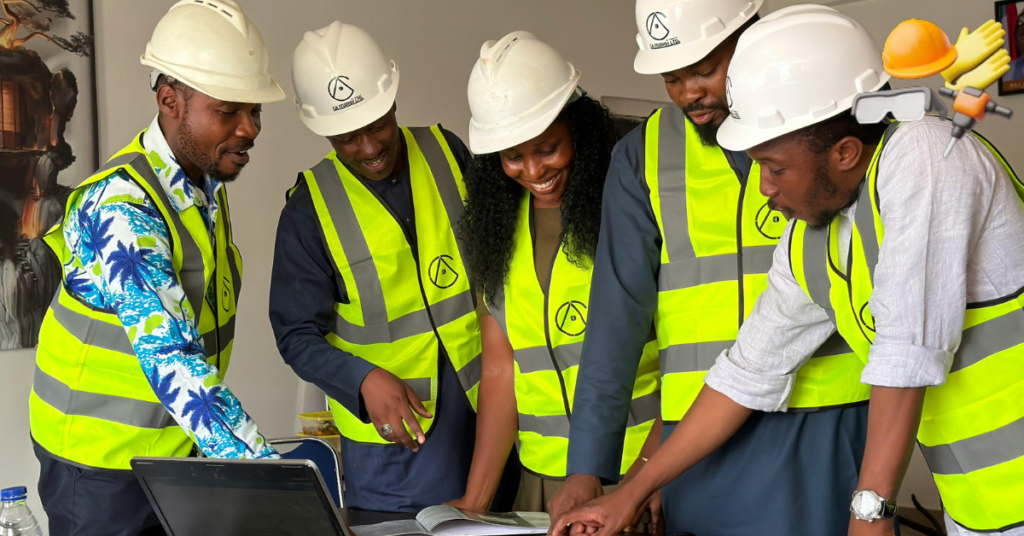
Before attending a civil engineer walk in interview, prepare all important documents properly. Keep both original and photocopies if possible.
Important documents include:
Updated resume
Passport-size photographs
CNIC/Aadhaar or identity proof
Educational certificates
Diploma or degree certificate
Experience letters, if available
Salary slips, if experienced
Portfolio of projects, if available
AutoCAD or software certificates
Safety training certificates, if available
Internship certificate for freshers
Your resume should be clean, simple, and focused on civil engineering skills. Mention your education, experience, software knowledge, project details, technical skills, and contact information clearly.
How to Prepare for a Civil Engineer Walk In Interview
Preparation is the key to performing well. Many candidates attend walk in interviews without proper preparation and lose good opportunities. You should prepare both technically and professionally.
Read the Job Description Carefully
Before going to the interview, read the job post carefully. Check the role, experience, location, salary range, required skills, and joining date. This helps you understand what the company wants.
Revise Basic Civil Engineering Concepts
Interviewers often ask basic technical questions. Revise topics like concrete, cement, steel, brickwork, plastering, RCC, foundation, shuttering, reinforcement, estimation, and safety.
Prepare Your Introduction
A strong self-introduction creates a good first impression. Keep it short and professional.
Example:
“My name is Ali. I have completed my Diploma/B.Tech in Civil Engineering. I have knowledge of site supervision, RCC work, drawings, estimation, and construction safety. I am looking for an opportunity where I can improve my practical skills and contribute to the company’s projects.”
Learn About the Company
Search basic details about the company before attending the interview. Check what type of projects they handle. If the company works in safety equipment, construction safety, or industrial projects, prepare answers related to PPE and workplace safety.
Dress Professionally
Wear neat and professional clothing. For civil engineers, formal or semi-formal dressing is suitable. Avoid casual slippers, rough clothes, or untidy appearance.
Reach on Time
Walk in interviews usually have many candidates. Reach early so you can complete registration and avoid long waiting lines.
Common Civil Engineer Walk In Interview Questions
Here are some common questions you may face in a civil engineering walk in interview.
Tell me about yourself.
Give a short introduction about your education, experience, skills, and career goal.
What is RCC?
RCC stands for Reinforced Cement Concrete. It is a combination of concrete and steel reinforcement. Concrete is strong in compression, while steel is strong in tension. Together, they make a strong structural material.
What is the difference between one-way slab and two-way slab?
A one-way slab bends mainly in one direction when the length-to-width ratio is more than 2. A two-way slab bends in both directions when the length-to-width ratio is less than or equal to 2.
What is the standard size of a brick?
In India, the standard modular brick size is commonly 190 mm × 90 mm × 90 mm without mortar. With mortar, it is usually considered 200 mm × 100 mm × 100 mm.
What is curing?
Curing is the process of maintaining moisture in concrete after placing. It helps concrete gain strength and prevents cracks.
Why is cover provided in RCC?
Cover protects steel reinforcement from corrosion, fire, and environmental damage. It also helps maintain proper bond between concrete and steel.
What is slump test?
A slump test is used to check the workability of fresh concrete. It shows how easily concrete can be placed and compacted.
What is BOQ?
BOQ means Bill of Quantities. It includes item descriptions, quantities, units, and rates for construction work.
What PPE is required at a construction site?
Common PPE includes safety helmet, safety shoes, gloves, reflective jacket, safety goggles, ear protection, and safety harness where required.
Technical Skills Needed for Civil Engineer Jobs
A civil engineer should have practical technical skills. Companies prefer candidates who can handle site problems and understand construction work.
Important technical skills include:
Reading construction drawings
Understanding RCC details
Checking steel reinforcement
Concrete mix knowledge
Site measurement
Quantity calculation
Material management
Basic surveying knowledge
Quality checking
Safety awareness
AutoCAD knowledge
MS Excel skills
BOQ and estimation
For freshers, basic knowledge is enough. For experienced candidates, companies expect practical site handling ability.
Safety Knowledge for Civil Engineer Walk In Interview
Safety is very important in construction. Since bestsafetyequipments.org focuses on safety and protective equipment, candidates should understand the importance of PPE and workplace safety.
A civil engineer must ensure that workers use proper safety equipment on site. Safety helmets protect against head injuries. Safety shoes protect feet from sharp objects, falling materials, and electrical risks. Gloves protect hands during cutting, lifting, welding, and handling rough materials. Safety goggles protect eyes from dust, chemicals, and flying particles.
Civil engineers should also know about toolbox talks, barricading, scaffolding safety, working at height, electrical safety, and fire safety. A good engineer does not only focus on completing work fast but also ensures that work is completed safely.
Resume Tips for Civil Engineer Walk In Interview
Your resume should be simple and professional. Avoid long paragraphs and unnecessary details. Mention important skills clearly.
A good civil engineer resume should include:
Name and contact details
Career objective
Education
Technical skills
Software skills
Internship or work experience
Project details
Certifications
Languages
References, if available
For freshers, mention academic projects, internships, site visits, and software knowledge. For experienced candidates, mention project type, responsibilities, site work, quantity handled, and achievements.
Civil Engineer Fresher Interview Tips
Freshers should focus on confidence, basic knowledge, and willingness to learn. Do not fake experience. Interviewers understand that freshers do not have deep practical knowledge.
You can say:
“I am a fresher, but I have basic technical knowledge and I am ready to learn site work practically. I can work under senior engineers and improve my skills.”
Freshers should revise basic civil engineering topics and prepare answers about their final-year project, internship, and software skills.
Civil Engineer Experienced Interview Tips
Experienced candidates should focus on real project experience. Interviewers may ask about previous site responsibilities, team handling, contractor coordination, billing, quality issues, safety problems, and project challenges.
Be ready to explain:
Type of projects handled
Your role and responsibilities
Site manpower handled
Daily progress reporting
Material quantity checking
Drawing coordination
Quality and safety practices
Reason for leaving previous job
Expected salary
Joining availability
Experienced candidates should avoid giving unclear answers. Companies want someone who can join quickly and manage work with less training.
Mistakes to Avoid in a Civil Engineer Walk In Interview
Many candidates make small mistakes that reduce their selection chances.
Avoid these mistakes:
Going without documents
Using an old resume
Not knowing basic civil concepts
Arriving late
Wearing casual clothes
Speaking negatively about previous company
Giving fake experience
Not knowing expected salary
Not asking about job role
Showing poor communication
Always be polite, professional, and honest. Even if you are not selected, a good impression can help you get a future call.
Salary Expectations in Civil Engineer Walk In Interview
Salary depends on qualification, experience, location, company size, and job role. Freshers usually get entry-level salaries, while experienced engineers get higher packages based on practical skills.
When HR asks about salary expectations, do not give a random answer. You can say:
“I am open to a fair salary as per company standards and my skills.”
Experienced candidates can mention their current salary and expected salary clearly.
How to Answer “Why Should We Hire You?”
This is a common interview question. Your answer should show confidence and value.
Example answer:
“You should hire me because I have strong basic knowledge of civil engineering, site supervision, drawing reading, and construction safety. I am hardworking, punctual, and ready to work in site conditions. I can coordinate with workers and seniors and help complete the project with quality and safety.”
Importance of Communication Skills
A civil engineer must communicate with workers, contractors, clients, architects, and senior engineers. Good communication helps avoid mistakes on site.
You do not need perfect English, but you should explain your points clearly. Speak confidently and avoid confusing answers. If you do not know something, say honestly that you are willing to learn.
Career Growth After Civil Engineer Walk In Interview
A walk in interview can be the first step toward a strong civil engineering career. Many candidates start as junior site engineers and later become project engineers, planning engineers, QA/QC managers, construction managers, or project managers.
With experience, you can also move into specialized fields such as structural design, quantity surveying, project planning, safety management, and contract management.
To grow faster, keep learning new skills like AutoCAD, Revit, STAAD Pro, Primavera, MS Project, Excel, estimation, and construction safety standards.
FAQs
What is a civil engineer walk in interview?
A civil engineer walk in interview is an open interview where candidates can directly visit the company or site office on a given date and attend the interview without a long application process.
Can freshers attend civil engineer walk in interviews?
Yes, freshers can attend walk in interviews for trainee engineer, junior site engineer, site supervisor, CAD trainee, and internship-based roles.
What documents are required for a civil engineer walk in interview?
You should carry an updated resume, photographs, ID proof, educational certificates, experience letters, internship certificates, and software or safety certificates if available.
What questions are asked in a civil engineering interview?
Common questions include RCC meaning, curing, slump test, foundation types, one-way slab, two-way slab, BOQ, site safety, concrete grade, and reinforcement details.
Is safety knowledge important for civil engineers?
Yes, safety knowledge is very important. Civil engineers must understand PPE, site hazards, working at height, scaffolding safety, electrical safety, and accident prevention.
How should I introduce myself in a civil engineer interview?
Keep your introduction short. Mention your name, qualification, experience or fresher status, techni
A civil engineer walk in interview freshers aur experienced candidates dono ke liye ek strong career opportunity hoti hai. Is type ke interview me candidate directly company ya site office ja kar apni skills, qualification, confidence, aur practical knowledge show kar sakta hai. Civil engineering field me companies aksar site engineer, civil supervisor, QA/QC engineer, planning engineer, billing engineer, aur safety engineer jaise roles ke liye walk in interviews conduct karti hain.
Interview me success ke liye sirf degree hona enough nahi hota. Candidate ko basic civil engineering concepts, site work, drawings, material knowledge, quality checking, estimation, aur safety rules ki samajh honi chahiye. Freshers ko apni learning attitude, basic knowledge, internship experience, aur software skills par focus karna chahiye. Experienced candidates ko apne previous projects, responsibilities, site handling, team coordination, safety practices, aur problem-solving experience clearly explain karna chahiye.
Construction industry me safety ka role bhi bohat important hai. Har civil engineer ko PPE, safety helmet, safety shoes, gloves, goggles, scaffolding safety, working at height, aur site hazard control ke baare me knowledge honi chahiye. Agar candidate interview se pehle proper documents, updated resume, technical preparation, aur professional appearance ke sath jata hai, to selection ke chances kaafi improve ho jate hain.
Overall, civil engineer walk in interview ek fast hiring process hai jo career growth ka acha chance provide karta hai. Proper preparation, confidence, honesty, aur safety awareness ke sath aap is opportunity ko successful job offer me convert kar sakte hain.