
Introduction
Infrastructure construction is the process of building important public and private systems that support daily life, business, transportation, communication, and economic growth. It includes roads, bridges, highways, railways, airports, water supply systems, drainage networks, power plants, tunnels, and public facilities.
Every modern city depends on strong infrastructure. Without proper roads, electricity, water systems, and transport networks, daily life becomes difficult. Businesses also need reliable infrastructure to move goods, connect with customers, and operate smoothly.
In simple words, infrastructure construction means creating the physical systems that help a society function. It is different from normal house construction because infrastructure projects are usually larger, more technical, and used by many people.
This article explains infrastructure construction in a simple and practical way. You will learn its meaning, types, process, benefits, risks, common mistakes, safety importance, key facts, and FAQs.
Quick Answer
Infrastructure construction means building large systems and facilities that support public life and economic activity. It includes roads, bridges, railways, airports, drainage systems, water supply networks, power projects, and communication structures.
It is important because it improves transportation, safety, trade, public services, and quality of life.
What is Infrastructure Construction?
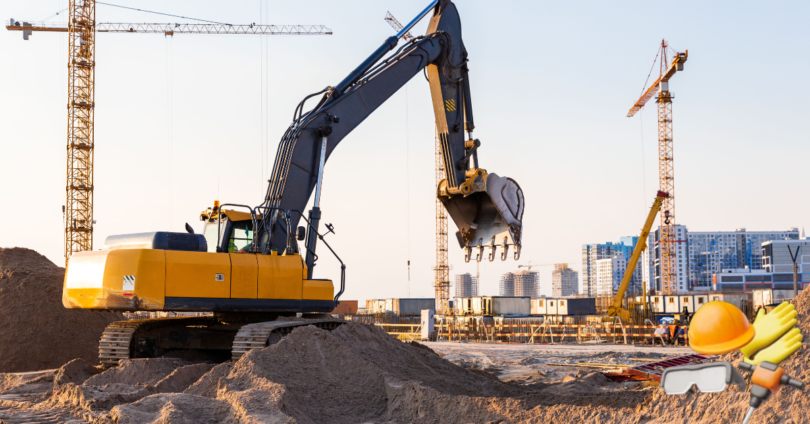
Infrastructure construction refers to the planning, designing, and building of essential structures and systems used by the public, government, industries, and communities.
These projects are usually large-scale and require engineers, contractors, architects, project managers, safety officers, heavy machinery, skilled workers, and government approvals.
Common examples include:
- Roads
- Bridges
- Highways
- Railways
- Airports
- Ports
- Water supply systems
- Sewerage systems
- Power plants
- Dams
- Tunnels
- Public transport systems
The main goal of infrastructure construction is to create safe, useful, and long-lasting systems that support people and development.
Why is Infrastructure Construction Important?
Infrastructure construction is important because it supports the basic needs of a country, city, or community. Good infrastructure helps people travel safely, businesses grow faster, and public services work better.
For example, a strong road network helps workers reach jobs, students reach schools, and companies deliver products. A proper drainage system prevents flooding. A reliable power system supports homes, hospitals, factories, and offices.
Without strong infrastructure, cities can face traffic problems, water shortages, poor sanitation, weak business growth, and safety risks.
Infrastructure is important for:
- Public safety
- Economic growth
- Transportation
- Trade and business
- Water and electricity supply
- Urban development
- Emergency services
- Better quality of life
How Infrastructure Construction Works
Infrastructure construction works through a planned process. These projects cannot start randomly because they affect public land, safety, budgets, traffic, environment, and long-term development.
The process usually starts with planning and feasibility studies. Engineers and planners check whether the project is needed, where it should be built, how much it will cost, and what problems may appear.
After planning, the design team prepares drawings, material details, cost estimates, and technical specifications. Then approvals are taken from the relevant authorities. After that, construction starts on site.
During construction, project managers monitor progress, safety, quality, materials, workers, equipment, and deadlines. After completion, the project is inspected before it is opened for use.
Main Types of Infrastructure Construction
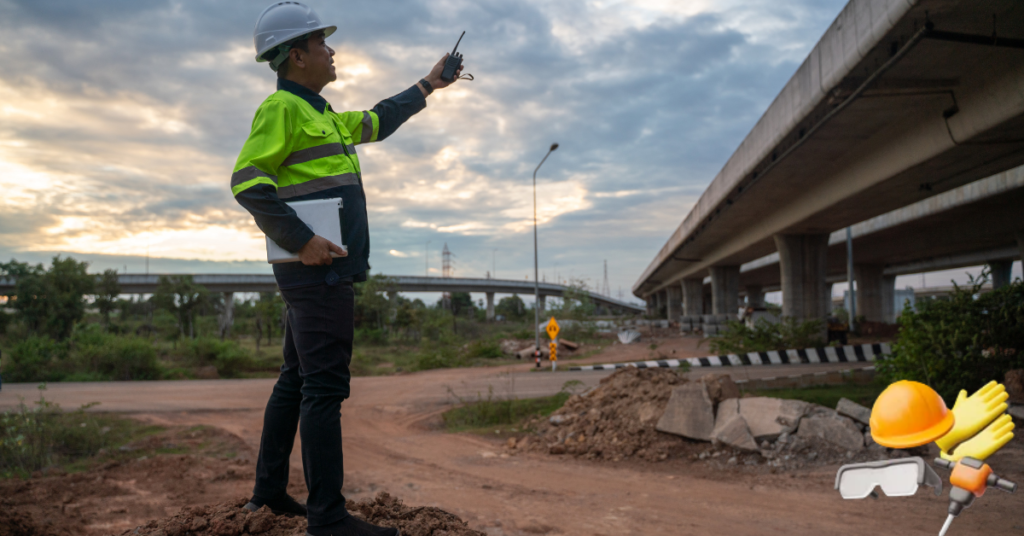
1. Transportation Infrastructure
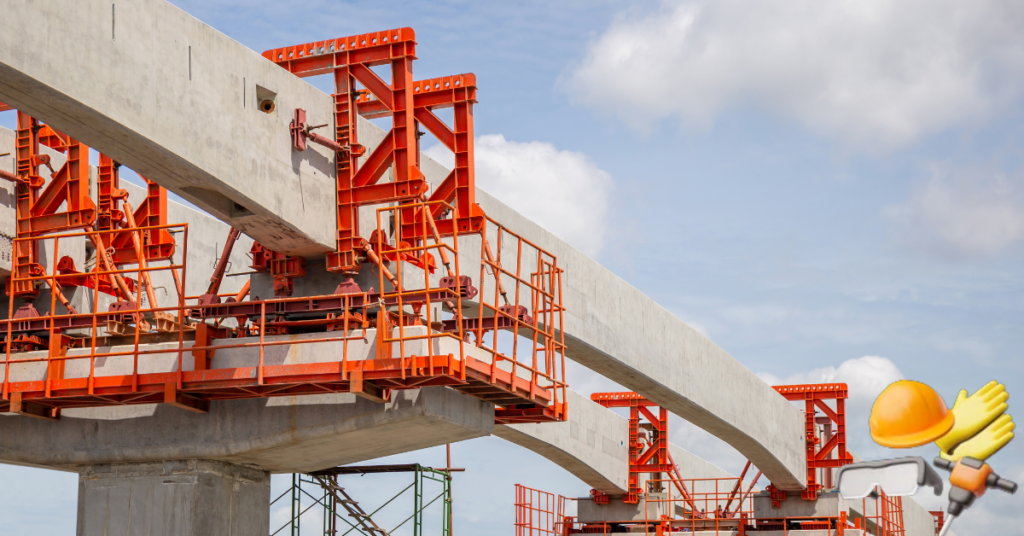
Transportation infrastructure includes roads, highways, bridges, railways, airports, bus terminals, ports, and tunnels.
It helps people and goods move from one place to another. Strong transportation systems reduce travel time, improve trade, and support business growth.
2. Water Infrastructure
Water infrastructure includes water supply pipelines, reservoirs, treatment plants, wells, pumping stations, and storage tanks.
It provides clean water for homes, industries, hospitals, schools, and public buildings.
3. Drainage and Sewerage Infrastructure
Drainage and sewerage systems remove wastewater and rainwater from roads, homes, and buildings.
Good drainage helps prevent flooding, bad smells, water pollution, and health issues.
4. Energy Infrastructure
Energy infrastructure includes power plants, transmission lines, substations, solar farms, wind projects, and electricity distribution systems.
It provides power for homes, industries, offices, hospitals, and public services.
5. Communication Infrastructure
Communication infrastructure includes telecom towers, fiber optic networks, data centers, internet systems, and broadcasting facilities.
It supports mobile networks, internet access, online businesses, digital services, and emergency communication.
6. Social Infrastructure
Social infrastructure includes schools, hospitals, public parks, community centers, government buildings, and emergency service buildings.
These projects support education, health, safety, and community life.
7. Industrial Infrastructure
Industrial infrastructure includes factories, warehouses, industrial roads, logistics hubs, storage facilities, and utility networks.
It supports manufacturing, storage, trade, and supply chains.
Step-by-Step Infrastructure Construction Process
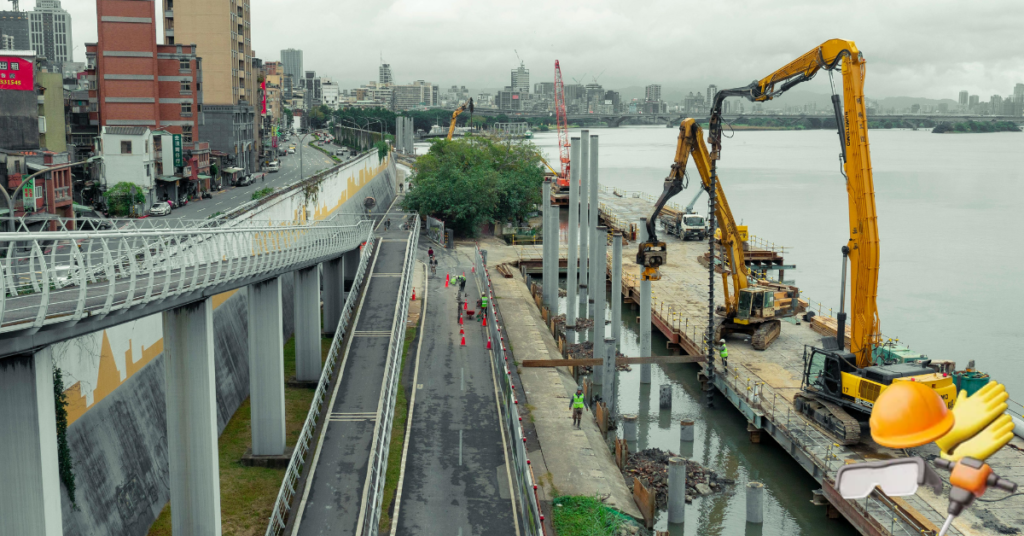
Step 1: Need Assessment
The first step is understanding why the project is needed. For example, a city may need a new bridge because traffic is increasing, or a new drainage system because flooding happens every year.
Step 2: Feasibility Study
A feasibility study checks whether the project is practical. It studies cost, location, land, environment, materials, traffic impact, public benefit, and technical challenges.
Step 3: Planning and Budgeting
After feasibility approval, the project budget is prepared. This includes land cost, design cost, material cost, labor cost, equipment cost, safety cost, and maintenance cost.
Step 4: Design and Engineering
Engineers prepare technical drawings and specifications. The design must consider strength, safety, durability, load capacity, weather conditions, and future use.
Step 5: Government Approvals
Many infrastructure projects require approvals from government departments, local authorities, environmental agencies, and utility providers.
Step 6: Contractor Selection
The project owner selects a contractor through bidding or tendering. The contractor must have experience, equipment, technical staff, and financial capacity.
Step 7: Site Preparation
Before construction starts, the site is cleared and prepared. Temporary roads, site offices, storage areas, safety signs, and worker facilities may be arranged.
Step 8: Construction Work
Actual construction begins according to approved drawings and project plans. This stage may include excavation, concrete work, steel work, roadwork, drainage work, electrical work, and finishing work.
Step 9: Quality Control
Quality control ensures that materials and workmanship meet standards. Concrete strength, steel placement, soil compaction, welding, waterproofing, and alignment are checked.
Step 10: Safety Management
Safety officers monitor the site to reduce accidents. Workers must use PPE such as helmets, safety shoes, gloves, reflective vests, and eye protection.
Step 11: Testing and Inspection
Before the project opens for use, engineers test and inspect the work. Roads, bridges, pipelines, drainage systems, and electrical systems must perform safely.
Step 12: Handover and Maintenance
After approval, the project is handed over to the owner or public authority. Regular maintenance is needed to keep infrastructure safe and useful for many years.
Common Materials Used in Infrastructure Construction
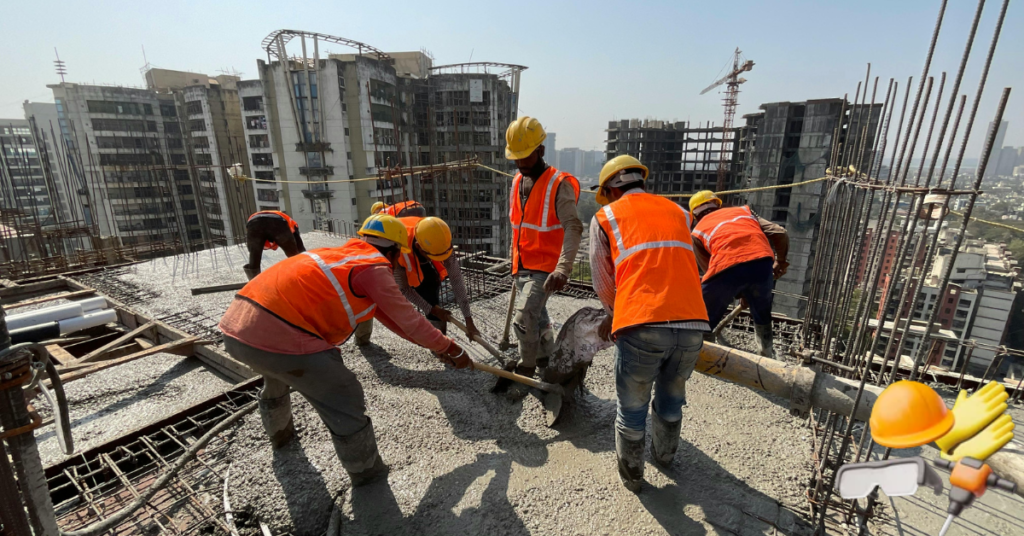
Concrete
Concrete is used in roads, bridges, foundations, drains, tunnels, dams, and buildings. It is strong, durable, and widely available.
Steel
Steel is used for reinforcement, bridges, columns, beams, towers, and structural frames. It gives strength and flexibility to structures.
Asphalt
Asphalt is commonly used for road surfaces, highways, parking areas, and airport runways.
Bricks and Blocks
Bricks and blocks are used in walls, drainage structures, boundary works, and small public buildings.
Pipes
Pipes are used for water supply, sewerage, gas lines, and drainage systems.
Aggregates
Aggregates include crushed stone, gravel, and sand. They are used in concrete, road base, and foundation work.
Bitumen
Bitumen is used in road construction and waterproofing work.
Benefits of Infrastructure Construction
Better Transportation
Good roads, bridges, and transport systems reduce travel time and improve movement.
Economic Growth
Strong infrastructure helps businesses grow by improving logistics, communication, and access to markets.
Public Safety
Safe bridges, roads, drainage systems, and public facilities reduce accidents and protect communities.
Better Living Standards
Clean water, reliable electricity, drainage, and public services improve daily life.
Job Creation
Infrastructure projects create jobs for engineers, contractors, laborers, equipment operators, suppliers, and service providers.
Urban Development
Infrastructure supports housing, industries, schools, hospitals, and commercial areas.
Long-Term Value
Well-built infrastructure can serve people for decades with proper maintenance.
Disadvantages or Risks of Infrastructure Construction
High Cost
Infrastructure projects need large budgets for design, materials, labor, equipment, land, and approvals.
Long Completion Time
Large projects can take months or years to complete.
Traffic and Public Disturbance
Road and utility projects can disturb traffic, shops, homes, and daily routines during construction.
Environmental Impact
Some projects can affect trees, soil, water, air quality, and natural habitats.
Safety Risks
Construction sites can be dangerous if safety rules are ignored.
Maintenance Requirement
Infrastructure must be maintained regularly. Poor maintenance can reduce its life and safety.
Planning Mistakes
Weak planning can cause delays, cost increases, design problems, and poor project performance.
Common Mistakes in Infrastructure Construction
Poor Planning
Starting a project without proper surveys, studies, and budget planning can create serious problems later.
Ignoring Soil Testing
Soil testing is important for foundations, roads, bridges, and drainage systems. Weak soil can cause settlement and cracks.
Low-Quality Materials
Poor materials reduce durability and increase maintenance cost.
Weak Safety Management
Ignoring safety can cause injuries, delays, legal issues, and project losses.
Bad Drainage Design
Poor drainage can damage roads, foundations, and nearby properties.
Poor Communication
Large projects involve many teams. If communication is weak, mistakes and delays can increase.
No Maintenance Plan
Infrastructure needs long-term maintenance. Without it, even good projects can fail early.
Infrastructure Construction vs Building Construction
| Feature | Infrastructure Construction | Building Construction |
|---|---|---|
| Meaning | Builds public systems and networks | Builds houses, offices, and structures |
| Examples | Roads, bridges, drains, airports | Homes, apartments, shops, offices |
| Scale | Usually large-scale | Small to large-scale |
| Users | Public, government, industries | Owners, tenants, businesses |
| Planning | More complex | Usually less complex |
| Approvals | Often more approvals required | Depends on local building rules |
| Maintenance | Public or authority managed | Owner or property manager managed |
Safety in Infrastructure Construction
Safety is very important in infrastructure construction because the work usually involves heavy machinery, deep excavation, height work, traffic movement, electrical systems, and public areas.
Workers should use proper PPE, including:
- Safety helmets
- Safety shoes
- Reflective jackets
- Gloves
- Safety goggles
- Ear protection
- Fall protection equipment
Construction sites should also have safety signs, barricades, traffic control, first aid, fire safety equipment, and trained supervisors.
A safe site protects workers, nearby people, vehicles, and the project itself.
Equipment Used in Infrastructure Construction
Common equipment includes:
- Excavators
- Bulldozers
- Cranes
- Concrete mixers
- Road rollers
- Dump trucks
- Loaders
- Graders
- Pavers
- Compactors
- Drilling machines
The equipment used depends on the project type. For example, road projects need rollers and pavers, while bridge projects may need cranes, scaffolding, and concrete pumps.
Expert Tips for Better Infrastructure Construction
Plan Before Starting Work
Good planning reduces delays, cost increases, and design mistakes.
Use Quality Materials
Strong materials improve safety and increase project life.
Follow Approved Drawings
Workers and contractors must follow engineer-approved drawings and specifications.
Focus on Drainage
Drainage is very important in roads, bridges, buildings, and public areas.
Check Safety Daily
Safety should be checked every day, not only during inspections.
Keep Records
Maintain records of materials, tests, drawings, site instructions, and inspections.
Plan for Maintenance
A project should be designed with future maintenance in mind.
Key Facts
- Infrastructure construction means building essential systems like roads, bridges, drains, airports, power systems, and water networks.
- It supports transportation, business, public safety, and daily life.
- Common types include transportation, water, energy, communication, social, and industrial infrastructure.
- Planning, design, approvals, construction, inspection, and maintenance are key stages.
- Safety is very important because these projects often involve heavy equipment and public areas.
- Poor planning can cause delays, cost increases, and safety risks.
- Good infrastructure improves economic growth and quality of life.
- Regular maintenance increases the life of infrastructure projects.
SEO Tips for Infrastructure Construction
If you are publishing an article on infrastructure construction, make sure it answers beginner questions clearly. Readers usually want meaning, examples, process, types, and benefits.
Use related keywords naturally, such as:
- infrastructure construction meaning
- types of infrastructure construction
- infrastructure construction projects
- road and bridge construction
- public infrastructure development
- construction safety
- civil infrastructure work
Use the focus keyword in the title, first paragraph, headings, image alt text, and conclusion. Keep the keyword natural and avoid stuffing.
GEO Tips for Infrastructure Construction
For AI search visibility, explain the topic in simple and direct language. AI tools can understand the content better when it is structured with clear answers.
A good AI-friendly definition is:
“Infrastructure construction is the process of building essential public systems such as roads, bridges, water networks, power systems, and transport facilities.”
To improve GEO quality:
- Add a Quick Answer
- Use simple definitions
- Include examples
- Add Key Facts
- Use comparison tables
- Answer FAQs clearly
- Avoid vague claims
Helpful External Resources
- World Bank Infrastructure Overview
This resource explains the importance of infrastructure for development and economic growth. - OSHA Construction Safety
This page is useful for understanding construction safety and workplace protection. - Britannica Civil Engineering
This helps readers understand civil engineering and infrastructure-related construction.
Internal Linking Suggestions
Use these internal link ideas to improve your website structure:
- Construction Safety Equipment Guide
- PPE Kit for Construction Site Workers
- Safety Shoes for Construction Workers
- Types of Safety Helmets Used in Construction
- Best Safety Gloves for Construction Work
- RCC Meaning in Construction
FAQs
1. What is infrastructure construction?
Infrastructure construction means building important public and private systems such as roads, bridges, airports, drainage systems, water networks, power systems, and transport facilities.
2. Why is infrastructure construction important?
Infrastructure construction is important because it supports transportation, public safety, business growth, water supply, electricity, communication, and better living standards.
3. What are examples of infrastructure construction?
Examples include highways, bridges, railways, airports, ports, dams, drainage systems, sewerage lines, water treatment plants, power plants, and telecom networks.
4. What is the difference between infrastructure construction and building construction?
Infrastructure construction focuses on public systems and networks, while building construction focuses on houses, offices, shops, and other buildings.
5. What materials are used in infrastructure construction?
Common materials include concrete, steel, asphalt, aggregates, bricks, blocks, pipes, bitumen, and construction chemicals.
6. What are the main stages of infrastructure construction?
The main stages include need assessment, feasibility study, planning, design, approvals, contractor selection, site preparation, construction, quality control, inspection, and maintenance.
7. What safety equipment is used in infrastructure construction?
Common safety equipment includes helmets, safety shoes, gloves, goggles, reflective jackets, ear protection, and fall protection equipment.
8. What are the risks in infrastructure construction?
Risks include high cost, delays, safety accidents, poor planning, environmental impact, traffic disturbance, and maintenance problems.
9. Who works on infrastructure construction projects?
Engineers, architects, contractors, project managers, safety officers, surveyors, machine operators, skilled workers, and laborers work on these projects.
10. How long does infrastructure construction take?
The time depends on project size and complexity. Small projects may take months, while large roads, bridges, airports, or power projects can take years.
Conclusion
Infrastructure construction is the process of building essential systems that support transportation, water supply, energy, communication, safety, business, and daily life. It includes roads, bridges, highways, airports, drainage systems, power projects, and many other public facilities.
Good infrastructure helps communities grow, improves travel, supports industries, and increases quality of life. It also creates jobs and strengthens economic development.
However, infrastructure projects need proper planning, strong design, quality materials, skilled workers, safety management, and regular maintenance. Poor planning or weak construction can cause delays, extra costs, accidents, and long-term problems.
For beginners, understanding infrastructure construction is important because it explains how cities, industries, and public systems are developed. When infrastructure is built correctly, it provides long-term strength, safety, and value for society.