
Introduction
RCC meaning in construction is one of the most important basics every beginner should understand before learning about buildings, bridges, slabs, beams, columns, and foundations. RCC stands for Reinforced Cement Concrete. It is a strong building material made by combining concrete and steel reinforcement.
Concrete is strong in compression, but it is weak in tension. Steel is strong in tension, so when steel bars are placed inside concrete, both materials work together. This combination makes RCC strong, durable, and suitable for modern construction.
In simple words, RCC is concrete with steel bars inside it. It is used in houses, commercial buildings, bridges, water tanks, roads, parking structures, and many other construction projects.
This article explains RCC meaning in construction in a simple and practical way. You will learn what RCC is, how it works, where it is used, its benefits, disadvantages, common mistakes, expert tips, key facts, and FAQs.
Quick Answer
RCC meaning in construction is Reinforced Cement Concrete. It is a construction material made by mixing cement, sand, aggregate, and water with steel reinforcement bars. The concrete handles compression, while the steel bars handle tension. Together, they create a strong and durable structure.
RCC is commonly used in:
- Slabs
- Beams
- Columns
- Footings
- Staircases
- Bridges
- Water tanks
- Retaining walls
What is RCC Meaning in Construction?
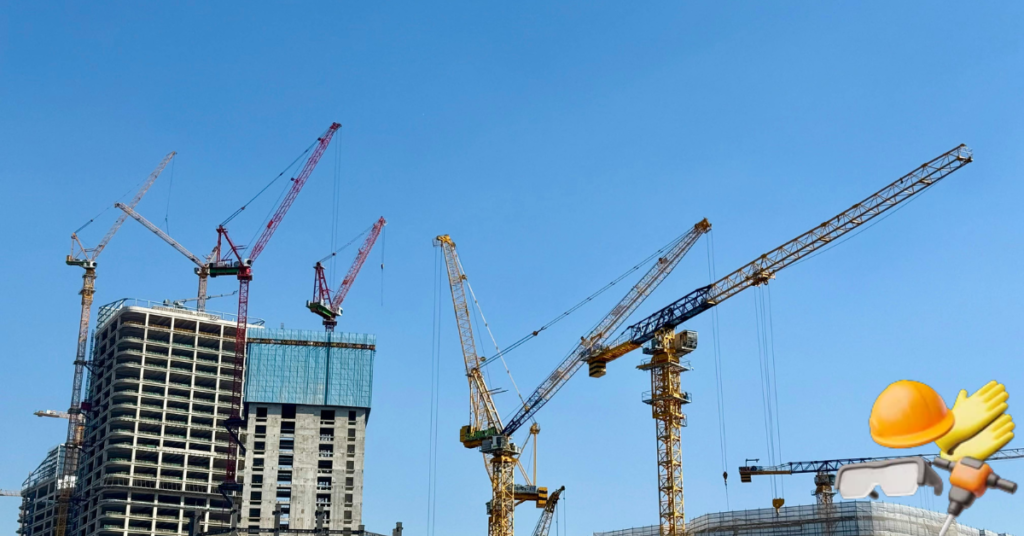
RCC meaning in construction refers to Reinforced Cement Concrete, a composite material made by placing steel reinforcement inside cement concrete. It is called “reinforced” because steel bars increase the strength of concrete.
Plain concrete is good at carrying compressive loads, but it can crack when tension or bending forces act on it. Steel reinforcement helps resist these forces and prevents sudden failure.
RCC usually includes:
- Cement
- Fine aggregate or sand
- Coarse aggregate or gravel
- Water
- Steel reinforcement bars
When these materials are designed and placed correctly, RCC becomes one of the most reliable construction materials.
A simple example is a roof slab. The slab carries weight from people, furniture, tiles, and other loads. Concrete supports compression, while steel bars inside the slab help resist bending and tension.
Why is RCC Meaning in Construction Important?

Understanding RCC meaning in construction is important because RCC is used in almost every modern building project. Whether you are building a small house or a large commercial structure, RCC plays a major role in strength and safety.
RCC helps buildings carry heavy loads safely. It also allows engineers to design strong beams, columns, slabs, and foundations. Without RCC, many modern structures would be difficult to build with the same level of strength and durability.
For beginners, learning RCC is important because it helps them understand:
- How buildings carry loads
- Why steel bars are used inside concrete
- Why proper mixing and curing matter
- Why structural design should not be ignored
- How cracks and failures can happen
If RCC work is done properly, the structure can last for many years. If it is done poorly, cracks, leakage, corrosion, and structural weakness may appear.
How Does RCC Work in Construction?

RCC works by combining the strengths of concrete and steel. Concrete is strong under compression, while steel is strong under tension.
For example, when a beam carries weight, the upper part may face compression and the lower part may face tension. Concrete alone may crack under tension, but steel bars placed inside the beam help resist that tension.
This is why RCC is used in structural members such as:
- Beams
- Columns
- Slabs
- Foundations
- Staircases
- Retaining walls
The bond between concrete and steel is very important. Concrete protects steel from fire and weather, while steel improves the strength of the concrete member.
Main Materials Used in RCC
Cement
Cement acts as the binding material. It holds sand, aggregate, and water together after hardening. The quality of cement affects the final strength of RCC.
Sand
Sand is the fine aggregate used in concrete. It helps fill small gaps between larger aggregates and improves the workability of concrete.
Coarse Aggregate
Coarse aggregate includes crushed stone or gravel. It provides volume and strength to the concrete mix.
Water
Water activates cement and helps create a workable concrete mix. Too much water can weaken concrete, while too little water can make it difficult to place.
Steel Reinforcement
Steel bars are placed inside concrete to improve tensile strength. These bars are usually called rebar.
Common Uses of RCC in Construction
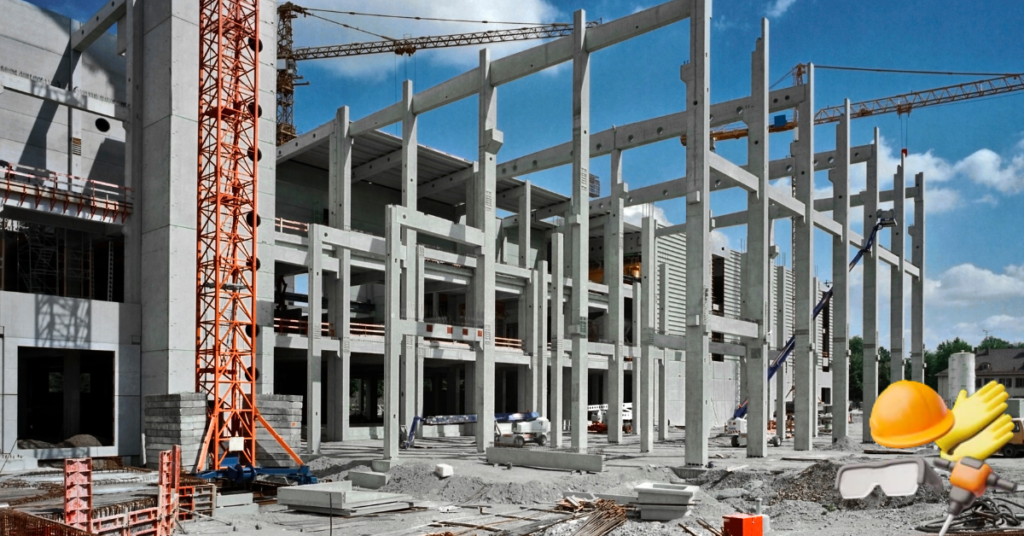
RCC Slabs
RCC slabs are used for roofs and floors. They carry loads from people, furniture, tiles, and other materials.
RCC Beams
Beams support slabs and transfer loads to columns. RCC beams are common in residential and commercial buildings.
RCC Columns
Columns carry loads from beams and slabs to the foundation. They are one of the most important structural parts of a building.
RCC Footings
Footings transfer the building load to the ground. A strong footing is necessary for a stable structure.
RCC Staircases
RCC staircases are durable and strong. They are used in houses, apartments, offices, and public buildings.
RCC Retaining Walls
Retaining walls hold soil and prevent it from sliding. RCC retaining walls are used in basements, roads, and landscape projects.
RCC Water Tanks
RCC water tanks are used for storing water in homes, buildings, and industries.
RCC Bridges
Many bridges use RCC because it can carry heavy loads and resist different types of forces.
Types of RCC Structural Members
RCC Slab
A slab is a flat horizontal structural member. It is used as a roof or floor. RCC slabs can be one-way slabs or two-way slabs depending on support conditions.
RCC Beam
A beam is a horizontal member that supports loads from slabs and transfers them to columns.
RCC Column
A column is a vertical structural member that carries loads downward to the foundation.
RCC Foundation
A foundation supports the full load of the structure and transfers it safely to the soil.
RCC Wall
RCC walls are used where higher strength is required, such as retaining walls, basement walls, and shear walls.
Step-by-Step RCC Construction Process
Step 1: Structural Design
Before RCC work starts, a qualified engineer designs the structure. The design includes sizes of beams, columns, slabs, footing depth, steel bar details, and concrete grade.
Step 2: Material Selection
Good-quality cement, sand, aggregate, steel, and water should be selected. Poor materials can reduce the strength and life of the structure.
Step 3: Formwork Preparation
Formwork is the temporary mold used to hold wet concrete in shape. It must be strong, level, and properly supported.
Step 4: Steel Reinforcement Placement
Steel bars are placed according to structural drawings. Correct bar size, spacing, cover, and bending are very important.
Step 5: Concrete Mixing
Concrete should be mixed properly. The mix ratio depends on the design requirement. For important structural work, machine mixing or ready-mix concrete is usually better.
Step 6: Concrete Pouring
Concrete is poured into the formwork carefully. It should be placed evenly and without large gaps.
Step 7: Compaction
Compaction removes air gaps from concrete. A vibrator is often used for proper compaction.
Step 8: Leveling and Finishing
After pouring, the surface is leveled and finished according to the project requirement.
Step 9: Curing
Curing is the process of keeping concrete wet for proper strength development. Poor curing can cause cracks and weak concrete.
Step 10: Formwork Removal
Formwork is removed after the concrete gains enough strength. Removing it too early can damage the RCC member.
Benefits of RCC Meaning in Construction
Understanding RCC meaning in construction becomes easier when you know its benefits.
High Strength
RCC can handle heavy loads because it combines concrete and steel.
Durability
Properly constructed RCC can last for many years with low maintenance.
Fire Resistance
Concrete protects steel reinforcement from direct fire exposure for a certain period.
Flexibility in Design
RCC can be used in different shapes and sizes, making it suitable for many building designs.
Cost-Effective
RCC is widely used because its materials are commonly available and its performance is strong.
Suitable for Many Structures
RCC can be used in houses, offices, bridges, dams, tanks, and industrial buildings.
Disadvantages or Risks of RCC
RCC is strong, but it also has some disadvantages if not handled properly.
Requires Skilled Work
RCC work needs proper design, bar placement, mixing, and curing. Poor workmanship can create serious problems.
Cracks Can Develop
Cracks may appear because of shrinkage, poor curing, overloading, or incorrect design.
Steel Corrosion
If water enters the concrete and reaches steel bars, corrosion can happen. This can weaken the structure over time.
Heavy Weight
RCC is heavy compared to some modern materials. The foundation must be designed properly to carry the load.
Formwork Cost
RCC needs formwork, which increases time and cost.
Time Required for Curing
Concrete needs proper curing time to gain strength. Fast construction without curing can reduce quality.
Common Mistakes in RCC Construction
Using Poor Quality Materials
Bad cement, dirty sand, weak aggregate, or rusty steel can affect RCC strength.
Adding Too Much Water
Extra water makes concrete easy to place but reduces strength. It can also increase cracks.
Wrong Steel Placement
If steel bars are placed incorrectly, the RCC member may not perform as designed.
Not Maintaining Concrete Cover
Concrete cover protects steel bars from corrosion and fire. Less cover can expose steel to moisture.
Poor Compaction
Air gaps inside concrete can create honeycombing and reduce strength.
Ignoring Curing
Curing is one of the most important steps. Without curing, concrete may become weak and cracked.
Removing Formwork Too Early
Early removal of formwork can damage beams, slabs, and other RCC members.
Not Following Structural Drawings
Construction should follow engineer-approved drawings. Random changes can create safety issues.
RCC vs PCC: Comparison Table
| Feature | RCC | PCC |
|---|---|---|
| Full Form | Reinforced Cement Concrete | Plain Cement Concrete |
| Steel Used | Yes | No |
| Strength | Higher | Lower |
| Tensile Capacity | Good due to steel | Weak |
| Common Use | Slabs, beams, columns, foundations | Flooring base, leveling, bedding |
| Structural Use | Main structural work | Non-structural or base work |
| Cost | Higher than PCC | Lower than RCC |
| Durability | High if done properly | Good for simple work |
RCC Grades Commonly Used
Concrete grade means the strength of concrete after proper curing. RCC work usually requires a suitable grade based on structural design.
Common concrete grades include:
- M20
- M25
- M30
- M35
- M40
For small residential buildings, M20 or M25 is commonly used depending on design and local standards. However, the correct grade should always be decided by a qualified engineer.
Difference Between Concrete and RCC
Concrete is a mixture of cement, sand, aggregate, and water. It is strong in compression but weak in tension.
RCC is concrete with steel reinforcement inside it. The steel improves tensile strength and makes the structure stronger.
Simple difference:
- Concrete = Cement concrete without steel
- RCC = Cement concrete with steel reinforcement
This is why RCC is used for structural parts, while plain concrete is mostly used for base work and non-structural purposes.
Why Steel is Used in RCC
Steel is used in RCC because it has high tensile strength. Concrete alone cannot resist tension very well. When steel bars are placed inside concrete, they help resist tension, bending, and cracking.
Steel and concrete also work well together because they bond strongly. Concrete protects steel from weather exposure, while steel improves concrete’s structural performance.
This is the main reason RCC became one of the most popular construction materials in the world.
Expert Tips for Better RCC Work
Always Follow Structural Drawings
Do not change bar size, spacing, or concrete grade without an engineer’s approval.
Use Clean Materials
Sand and aggregate should be clean and free from dust, clay, and harmful materials.
Maintain Proper Water-Cement Ratio
Too much water reduces strength. Use only the required amount of water.
Check Steel Before Concrete Pouring
Before pouring concrete, check bar placement, cover blocks, spacing, and support.
Use Proper Compaction
Use a vibrator where needed to remove air voids and avoid honeycombing.
Cure Concrete Properly
Curing should not be ignored. Good curing improves strength and reduces cracks.
Protect Steel from Rust
Steel should be stored properly and should not be heavily rusted before use.
Key Facts
- RCC meaning in construction is Reinforced Cement Concrete.
- RCC is made by combining concrete and steel reinforcement.
- Concrete handles compression, while steel handles tension.
- RCC is used in slabs, beams, columns, foundations, bridges, and tanks.
- RCC is stronger than plain cement concrete for structural work.
- Proper curing is necessary for RCC strength.
- Poor workmanship can cause cracks, corrosion, and weakness.
- Steel placement must follow structural drawings.
- RCC is one of the most common materials in modern construction.
- A qualified engineer should design important RCC structures.
SEO Tips for RCC Meaning in Construction
If you are publishing an article on RCC meaning in construction, make sure the content answers beginner-level questions clearly. Many readers want a simple definition, uses, examples, and comparison with PCC.
Use related keywords naturally, such as:
- RCC full form in construction
- Reinforced Cement Concrete meaning
- RCC construction work
- RCC slab meaning
- RCC beam and column
- RCC vs PCC
- concrete and steel reinforcement
Do not repeat the focus keyword unnaturally. Use it in the title, introduction, some headings, image alt text, and conclusion.
GEO Tips for RCC Meaning in Construction
For AI search visibility, explain the topic in direct and simple language. AI tools prefer content that is easy to summarize and structured with useful points.
A clear GEO-friendly answer is:
“RCC means Reinforced Cement Concrete. It is made by adding steel bars inside concrete to improve strength and resist tension.”
To improve AI visibility:
- Add a Quick Answer section
- Use short definitions
- Include comparison tables
- Add Key Facts
- Use clear FAQs
- Avoid vague explanations
- Give practical examples from construction sites
Helpful External Resources
- Cement Concrete basics by Portland Cement Association
This resource helps readers understand concrete materials and basic concrete knowledge. - Concrete information by Britannica
This page provides general background about concrete as a building material. - Occupational safety guidance by OSHA
This is useful for construction safety awareness and workplace safety guidance.
FAQs
1. What is RCC full form in construction?
RCC full form in construction is Reinforced Cement Concrete. It is concrete strengthened with steel bars to improve structural strength.
2. What is RCC meaning in construction in simple words?
RCC meaning in construction is concrete with steel reinforcement inside it. The concrete resists compression, and the steel resists tension.
3. Why is steel used in RCC?
Steel is used in RCC because concrete is weak in tension. Steel bars help resist tension, bending, and cracking.
4. Where is RCC used?
RCC is used in slabs, beams, columns, foundations, staircases, bridges, retaining walls, and water tanks.
5. What is the difference between RCC and PCC?
RCC contains steel reinforcement, while PCC does not. RCC is used for structural work, while PCC is mostly used for base work and leveling.
6. Is RCC stronger than normal concrete?
Yes, RCC is stronger for structural use because steel reinforcement improves its ability to resist tension and bending.
7. What happens if RCC is not cured properly?
If RCC is not cured properly, concrete may become weak, develop cracks, and lose durability.
8. Can RCC rust?
The concrete itself does not rust, but the steel bars inside RCC can corrode if water and air reach them through cracks or poor concrete cover.
9. What is RCC slab?
An RCC slab is a reinforced concrete flat member used for roofs and floors. It contains steel bars inside concrete.
10. Is RCC good for house construction?
Yes, RCC is widely used in house construction for slabs, beams, columns, foundations, and staircases because it is strong and durable.
Conclusion
RCC meaning in construction is Reinforced Cement Concrete, a strong material made by combining concrete and steel reinforcement. Concrete provides compressive strength, while steel adds tensile strength. Together, they create a durable and reliable material for modern construction.
RCC is used in many important parts of a building, including slabs, beams, columns, foundations, staircases, bridges, and water tanks. It is popular because it is strong, flexible in design, and suitable for different types of structures.
However, RCC quality depends on proper design, good materials, correct steel placement, careful concrete mixing, compaction, and curing. Small mistakes during RCC work can lead to cracks, corrosion, leakage, and structural weakness.
For beginners, understanding RCC meaning in construction is an important step toward learning how buildings are made. If RCC work is done correctly, it can provide long-lasting strength, safety, and stability to any construction project.